


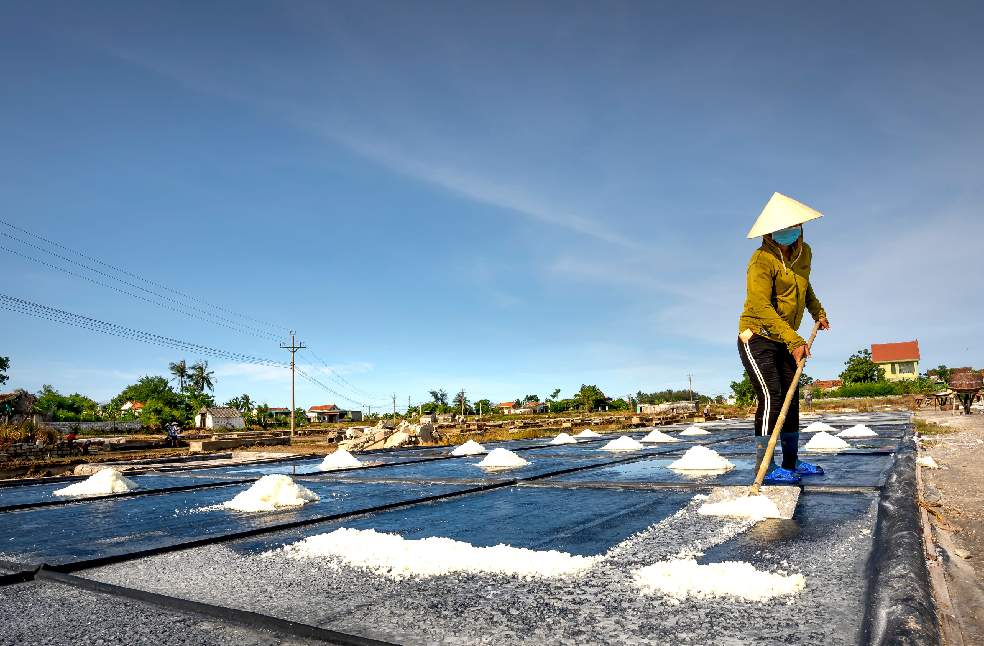
Indonesia: The salt production in Indonesia surged during an El Nino drought, boosting coastal farmers and lifting production levels with favourable conditions in salt fields.
Salt farmers across West Java capitalised on extended dry conditions that accelerated seawater evaporation in shallow coastal ponds. The method relies heavily on sunlight and minimal rainfall. It performed strongly as drought conditions persisted across much of the archipelago.
The Indonesian weather agency indicated that the El Niño pattern intensified. Hotter and drier weather spread across more than half of Indonesia’s seasonal zones by July. The dry season is expected to peak in August. The agency warned that the pattern may continue into early 2027, raising concerns about long-term climate impacts.
Data showed a sharp increase in fire activity, with more than 5,000 hotspots recorded across the country last month. This marked a notable rise compared to previous El Nino periods and highlighted the broader environmental strain linked to the climate pattern.
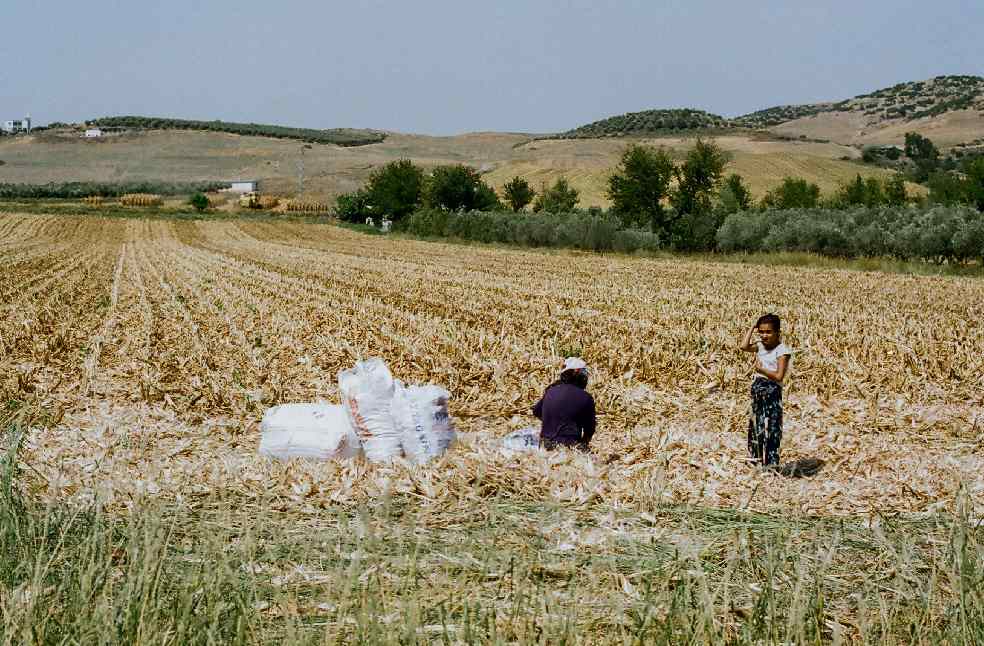
Traditional crop farmers faced growing challenges, while salt producers benefited from prolonged dry conditions. Extended heat and limited rainfall strained planting cycles and reduced productivity. The weather agency advised farmers to adjust schedules and farming practices to cope with changing conditions.
In Cirebon regency along Java’s northern coast, salt farmers spent long hours harvesting crystallised salt from pond beds. Even light rainfall can disrupt production cycles and reduce quality, affecting output levels and slowing the harvesting process.
Output in Cirebon reached nearly 600 metric tons in July, marking a sharp increase compared to the same period last year. The region spans about 1,400 hectares and forms part of Indonesia’s wider salt-producing network across 10 regions.
The production fell to 1 million tons last year due to a shorter dry season followed by La Nina conditions, which typically bring heavier rainfall. The output reached 2.5 million tons during the previous El Nino phase in 2023. This highlights the strong influence of shifting climate patterns on Indonesia’s salt production levels, creating both gains and risks for salt farmers.
YOU MAY LIKE | Study reveals fridge free vaccines may improve global access
