


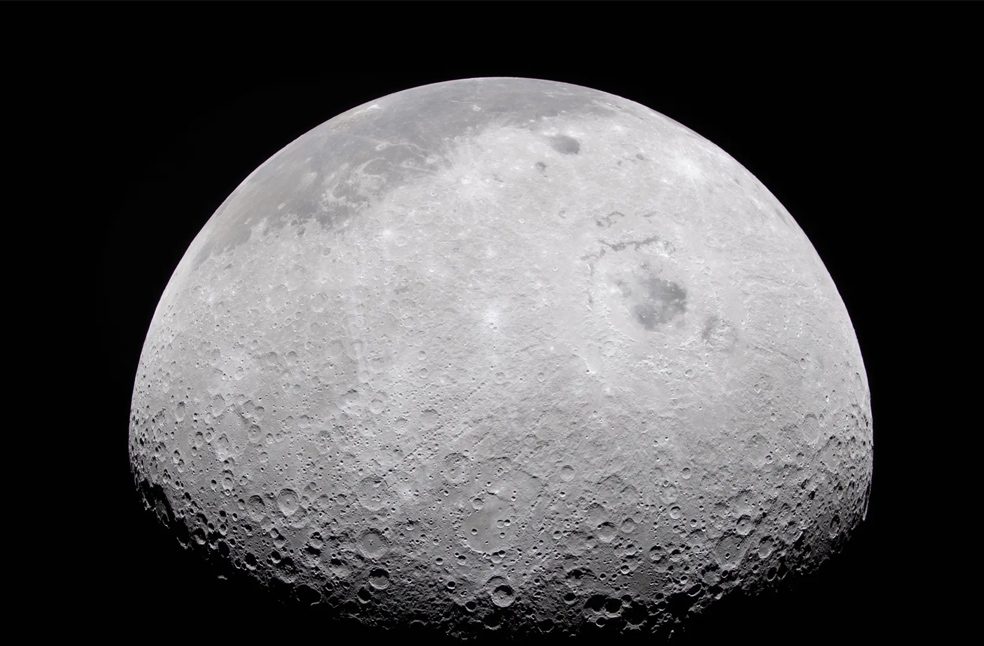
Cape Canaveral, Florida: A four-tonne piece of SpaceX Falcon 9 rocket stage is believed to have crashed into the Moon at high speed, potentially creating a new lunar crater. While the impact poses no threat to Earth, scientists say it offers a rare opportunity to study the effects of artificial objects colliding with the lunar surface.
The rocket, the size of a building, was part of the Falcon 9 launch that sent Firefly Aerospace’s lunar lander toward the Moon in January 2025. Unlike missions in Earth orbit, the second stage remained in space after completing its job because the mission required additional thrust to reach the Moon. Having exhausted its fuel, the rocket body drifted uncontrollably through space for more than a year.
The impact was expected to occur at around 6:35 am BST, with the rocket travelling at approximately 5,400 mph (8,690 km/h). Scientists predicted the collision would eject a large plume of lunar dust and debris, although it would likely be too faint to observe with the naked eye from Earth.
Astronomers using advanced telescopes were unable to immediately confirm the impact, partly because the suspected crash site lies close to the visible edge of the Moon. According to NASA, the collision is expected to have created a crater measuring about 18 metres wide and four metres deep, scattering rock and dust across the lunar surface.
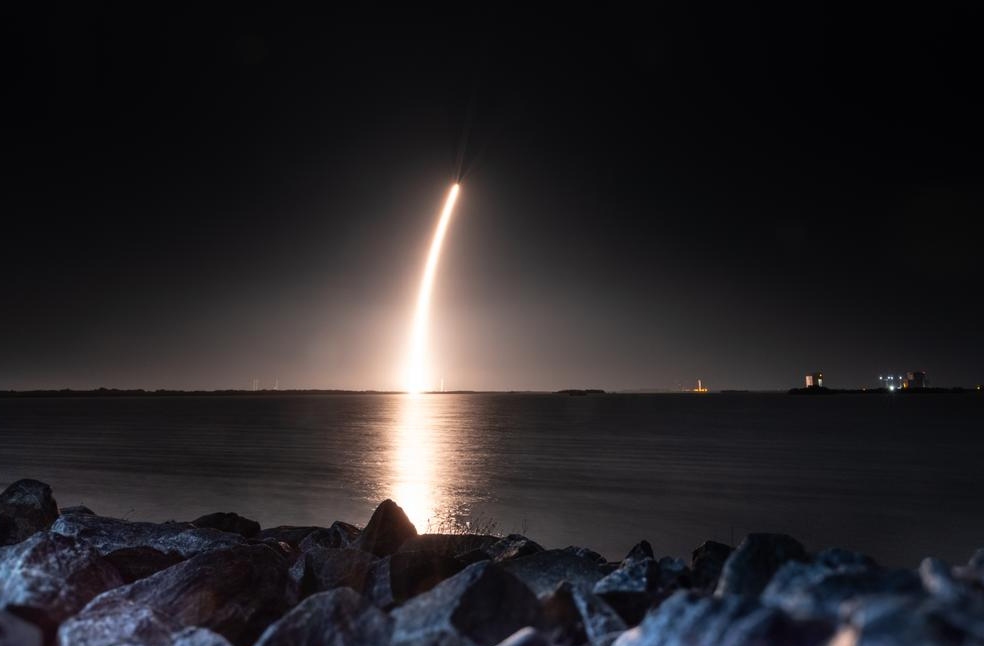
NASA stated that it plans to compare images taken before and after the event to better understand artificial impacts and improve techniques for tracking objects in space. Agency spokesperson Jimi Russell stressed that the event poses no danger to Earth and will instead provide valuable scientific data.
Trajectory to the moon
Astronomers only determined earlier this year that the uncontrolled rocket stage was on a trajectory that would eventually intersect with the Moon. According to Julianna Scheiman, a combination of solar activity and gravitational forces gradually altered its orbit, sending it toward the lunar surface.
Space debris impacts on the Moon remain uncommon. A Chinese rocket stage struck the lunar surface in 2022 after a test mission, while NASA deliberately crashed a rocket stage into the Moon in 2009 to study the material thrown up by the impact. Several lunar landers have also unintentionally crashed in recent years, including Russia’s Luna-25, India’s Chandrayaan-2, and Israel’s Beresheet missions.
The latest incident has renewed attention on the growing challenge of managing space debris. Astronomy software developer Bill Gray said the event underlined the need for more responsible disposal of space hardware, even though it presents no direct risk to people. NASA and SpaceX have confirmed they are discussing measures to reduce the likelihood of similar unintended lunar impacts in the future.
MOST READ | Study says NHS breast cancer rules miss high-risk women
