



London: Major retailers across London’s high streets are adopting new technology developed with the Metropolitan Police to strengthen the fight against shoplifting and speed up the identification and prosecution of offenders.
The system allows businesses to upload CCTV footage, witness statements and other evidence directly to police officers within minutes. By speeding up the sharing of evidence, the technology enables officers to identify suspects, make arrests and build stronger criminal cases more quickly.
Retailers including Tesco, Boots, Marks & Spencer and Greggs are already using the subscription-based platform across several London boroughs, including Westminster, Hammersmith and Fulham, and Greenwich. From today, the scheme has been extended to retailers operating in Southwark, Lambeth, Sutton, Croydon, Bromley, Ealing, Hounslow and Hillingdon.
Chief Inspector Rav Pathania, the Metropolitan Police’s lead for business crime, said the force is expanding its capabilities to identify offenders and bring more shoplifters before the courts, warning that those committing retail theft should expect a greater chance of being caught.
According to the Metropolitan Police, shoplifting incidents have fallen by nearly 4 percent. However, several retailers involved in the initiative continue to argue that retail crime remains a growing concern.
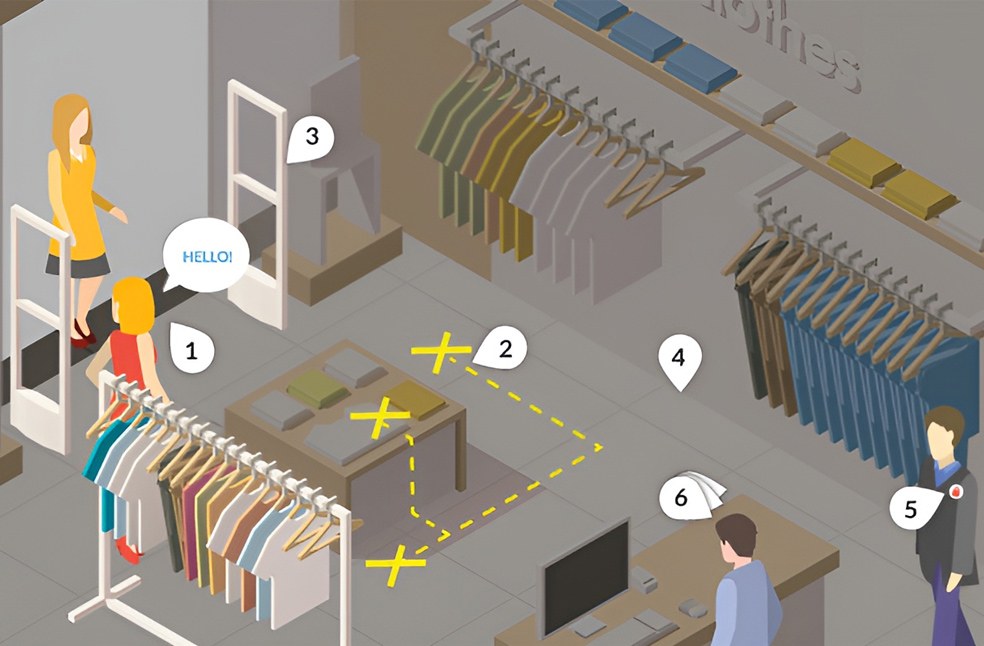
How retailers can reduce shoplifting
- Welcome customers: Greeting shoppers as they enter shows staff are alert and can discourage potential shoplifters.
- Monitor theft hotspots: Track where and when incidents occur, then improve visibility, staff presence or store layout in those areas.
- Use anti-theft technology: Electronic tagging and security gates can deter theft and protect merchandise.
- Keep the store organised: Clear aisles, tidy displays and good visibility make it harder for thieves to act unnoticed.
- Prioritise staff safety: Employees should only approach suspected shoplifters if it is safe, following workplace safety procedures.
- Increase staff presence: Having more trained staff on the shop floor helps identify suspicious behaviour and reduces opportunities for theft.
Earlier this year, Marks & Spencer’s retail chief Thinus Keeve described shoplifting as becoming “more brazen, more organised and more aggressive.” In a letter published on the retailer’s website, Keeve criticised the government and the Mayor of London for not taking the issue seriously enough, saying many retailers do not believe claims that crime is declining in the capital.
Other retailers have also reported significant challenges. Boots was recently targeted in a major theft case involving a 17-year-old who admitted stealing goods worth more than £100,000 from the health and beauty chain but avoided a prison sentence. Meanwhile, Greggs has removed display counters from some stores in response to increasing shoplifting incidents.
The Metropolitan Police hopes the wider rollout of the technology will improve enforcement outcomes. The force noted that the system has resulted in a caution, charge or other criminal disposal in 29.4 percent of cases, compared with 7.3 percent before the technology was introduced.
The latest effort comes after figures released last year showed that more than 80 percent of shoplifting offences in the UK resulted in no criminal charge, highlighting the ongoing challenge of tackling retail crime.
MOST READ | Ariana Grande to take break after Eternal Sunshine Tour
