


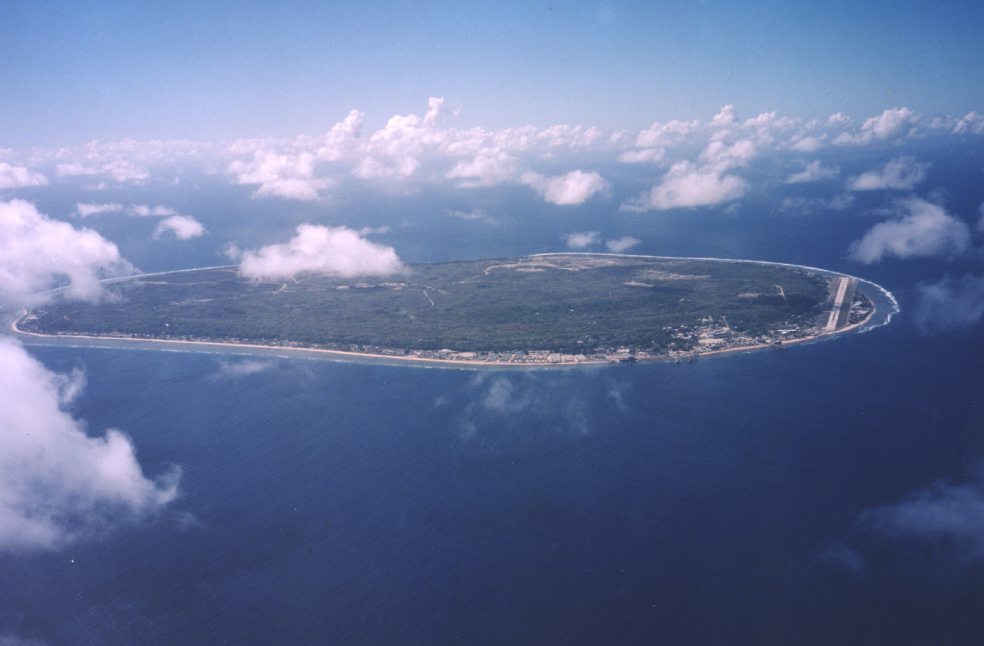
Sydney: The Pacific island nation formerly known as Nauru has adopted its traditional name, becoming the Republic of Naoero, following a constitutional amendment approved by parliament in May.
President David Adeang confirmed the change in a social media post, announcing that the government had decided against holding a national referendum. David Adeang said the renaming was not about introducing a new identity but recognising one that has long existed among the country’s people.
Adeang remarked that, “The decision not to pursue a referendum was reached after thoughtful deliberation that Naoero is not a new name seeking acceptance by the people. It is already the identity of the people, is on the national coat of arms, and spoken in the community; and importantly is allowed by the constitution.”
Under the amendment, the country’s short-form name will now be Naoero, while its citizens will be officially referred to as dei-Naoero. The government has already informed international organisations and foreign governments of the name change, with the transition process now under way.
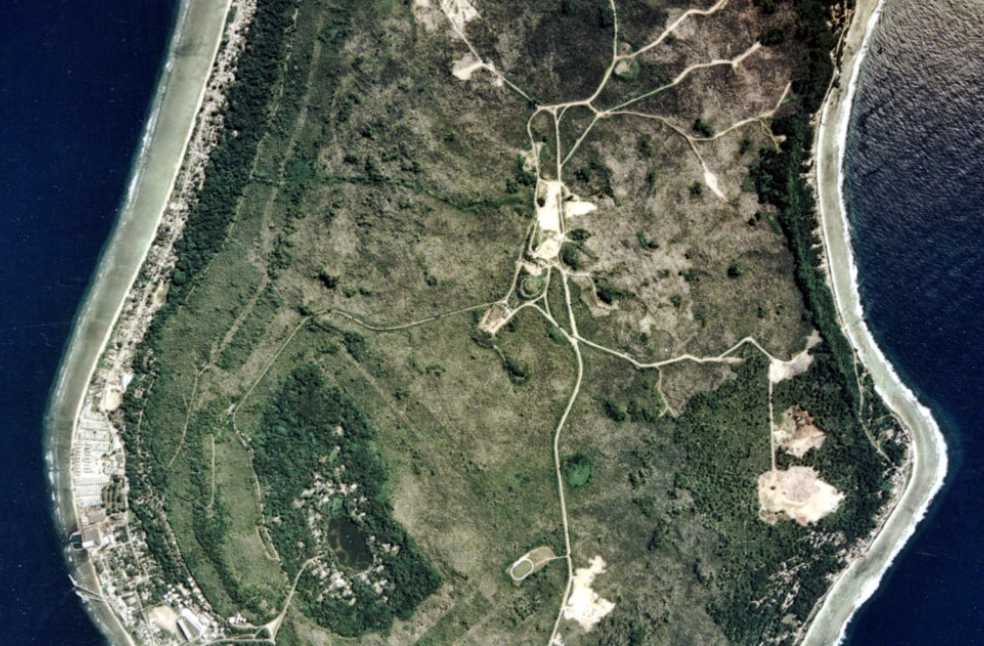
The name ‘Nauru’ originated during the colonial era, when European colonisers altered the island’s indigenous name, Naoero, because they found it difficult to pronounce. The move to restore the original name is being presented as a recognition of the nation’s cultural roots rather than a political decision.
President Adeang described the renaming as an effort to preserve the legacy of our ancestors while strengthening the future of our children, highlighting the government’s commitment to protecting the country’s identity.
Naoero, located in the Pacific Ocean, is the world’s third-smallest sovereign nation after Vatican City and Monaco, with a population of around 12,000 people. The move also aligns with broader efforts to preserve the Nauruan language, locally known as dorerin Naoero, which UNESCO classifies as severely endangered.
Although the language continues to be spoken within the community, it is not currently taught in schools. However, legislation passed last year will introduce the language into the national curriculum in the future, supporting its long-term preservation.
POPULAR | US funds Gavi; Maintains tough stance against WHO
