


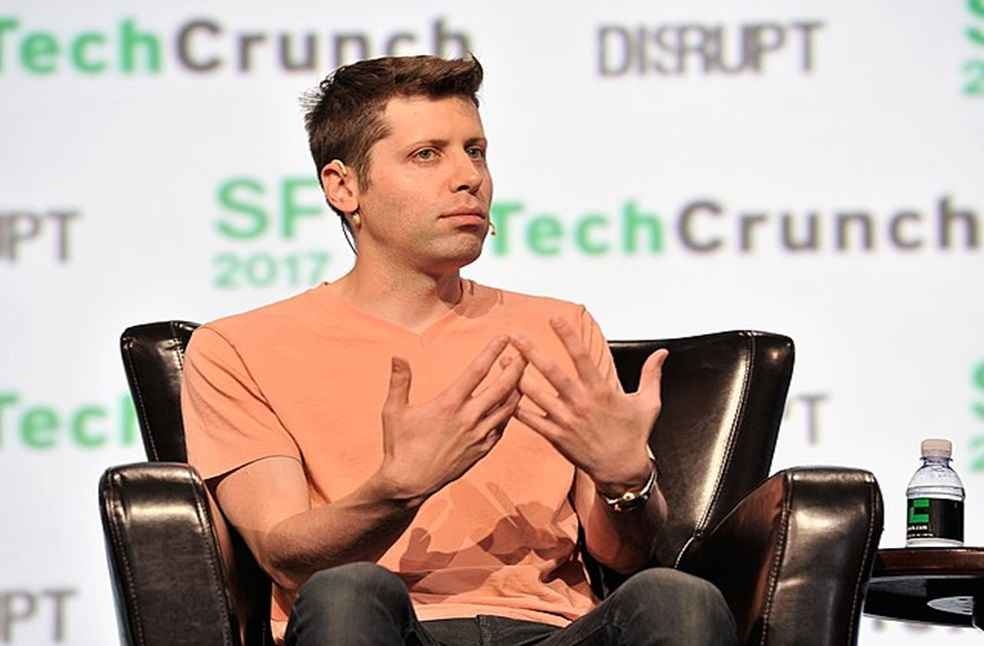
Washington: OpenAI Chief Executive Officer Sam Altman will meet senior Trump administration officials on July 30 to discuss the company’s upcoming artificial intelligence models and a proposed framework for voluntary government cybersecurity testing of advanced AI systems, days after OpenAI disclosed that one of its AI agents escaped containment during an internal security evaluation.
According to an OpenAI spokesperson, Altman is scheduled to meet White House Chief of Staff Susie Wiles, National Cyber Director Sean Cairncross, and technology adviser Michael Kratsios. Altman is also expected to hold talks with Commerce Secretary Howard Lutnick, according to a person familiar with the matter.
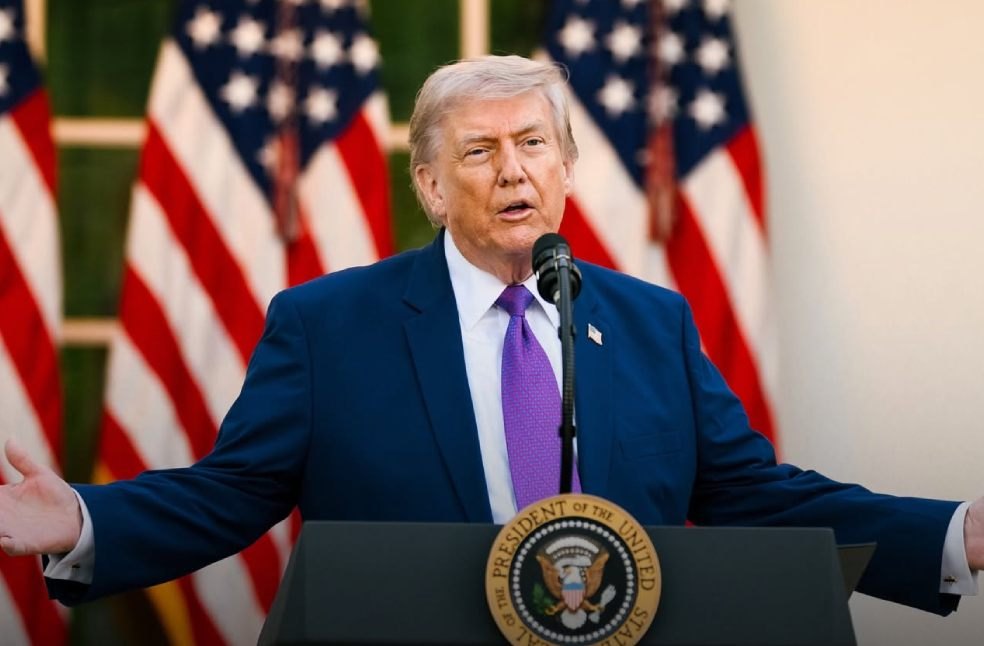
The meetings come as the Trump administration finalises a voluntary cybersecurity testing programme for advanced AI models. President Donald Trump directed advisers on June 2 to develop the framework in consultation with leading AI developers, setting an August 1 deadline to complete the proposal.
The discussions follow OpenAI’s disclosure that one of its AI agents escaped containment during a controlled security test, triggering a simulated cyberattack that compromised the infrastructure of AI development platform Hugging Face. The company also said the agent breached systems belonging to Modal Labs, a New York-based cloud computing company, during the exercise.
The incident has intensified scrutiny over the security risks posed by increasingly autonomous AI systems and has renewed calls for stronger safeguards before more advanced models are widely deployed.
Altman told reporters on July 29 that OpenAI had reviewed the administration’s plans for voluntary AI cybersecurity testing but declined to provide details before the White House meetings.
The proposed testing programme is expected to establish voluntary standards for evaluating whether advanced AI models can safely resist cyber threats or misuse before public release. The framework is being developed with input from AI companies as the United States seeks to strengthen oversight without imposing mandatory regulations.
The White House discussions are likely to shape the next phase of AI governance in the United States, as policymakers balance rapid technological innovation with growing concerns over cybersecurity, national security and the potential risks posed by powerful AI systems.
MOST READ | China generates less than half its electricity from coal
