


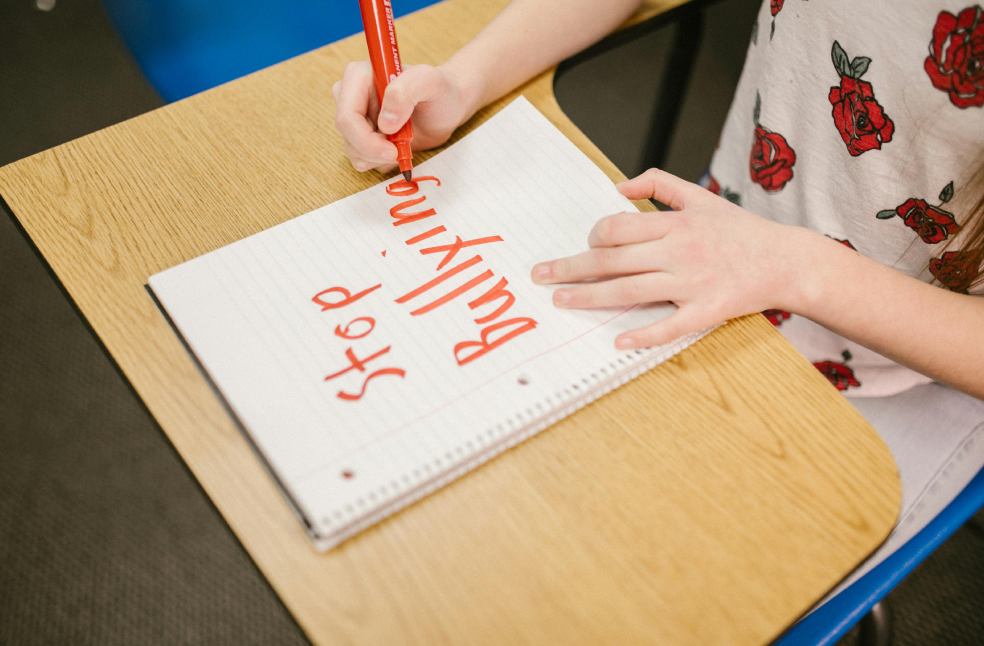
Singapore City: Singapore has introduced new school discipline guidelines allowing caning for male students involved in serious bullying, including cyberbullying, as a measure of last resort.
The policy, discussed in parliament, permits up to three strokes of the cane for male students in upper primary levels and above. Education Minister Desmond Lee said the punishment would only be used when other corrective measures fail, and the misconduct is deemed severe. Desmond Lee stressed that strict protocols would govern its use, including approval by the school principal and administration by authorised staff.
Lee remarked that, “Caning will be considered only if all other measures are inadequate,” adding that schools would assess factors such as the student’s maturity and whether the punishment would help them understand the seriousness of their actions.

The move follows a year-long review into bullying in schools, prompted by several high-profile incidents that drew public concern. Authorities say the updated guidelines aim to strengthen discipline while ensuring the welfare of students.
Under the rules, only male students are subject to caning, in line with the Singapore Criminal Procedure Code, which prohibits corporal punishment for females. Female students involved in similar offences will face alternative penalties such as detention, suspension, or conduct grade adjustments.
After any caning is administered, schools are required to monitor the student’s well-being and provide counselling support where necessary. The policy has drawn criticism from international organisations. UNICEF opposes corporal punishment, citing risks to children’s physical and mental health and its potential to worsen behavioural issues over time.
A recent report by the World Health Organisation described corporal punishment as ‘alarmingly widespread’ globally, affecting an estimated 1.2 billion children each year. Caning remains part of Singapore’s broader legal system, with judicial caning still for certain offences among male offenders under 50, a practice dating back to the colonial era.
POPULAR | Modi calls Fujairah strike unacceptable; Urges dialogue
