


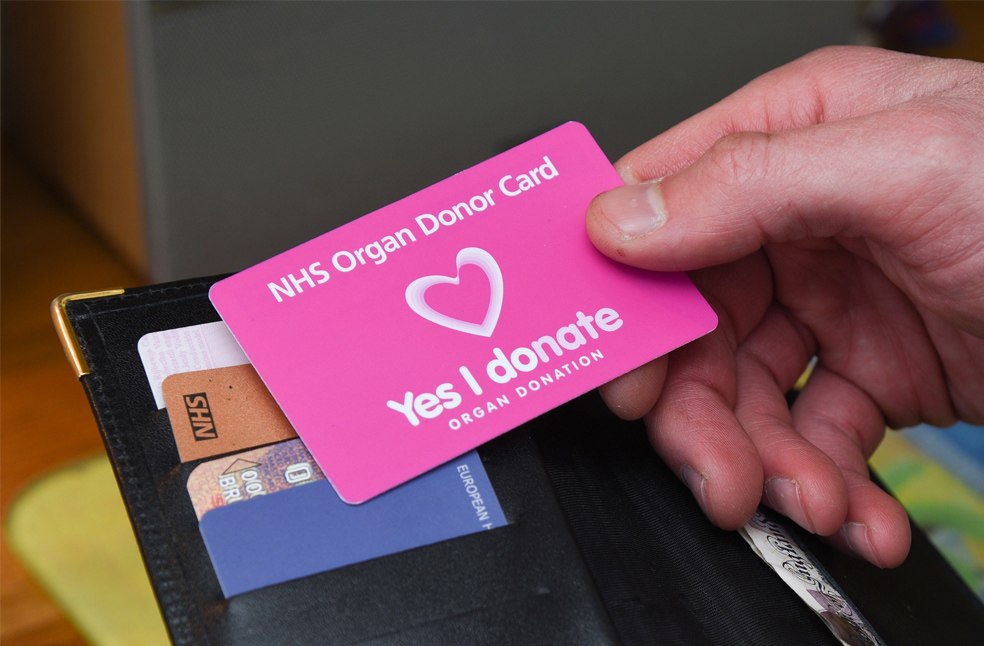
England: A new organ preservation machine could significantly increase the number of lungs available for transplantation in England and Wales, with experts estimating it could save up to four out of five donated lungs that are currently discarded.
According to the latest figures from NHS Blood and Transplant,
- 170 people in the UK, including six children, are waiting for lung transplants.
- Most adults wait around a year for a suitable organ, while some remain on the list for two years or longer.
- Around one in five adults requiring an urgent transplant die within a year before a matching donor lung becomes available.
Currently, only 23 percent of donated lungs are transplanted. Many organs are rejected not only because of quality concerns but also due to limited staffing and operating theatre capacity.
Draft guidance issued by the National Institute for Health and Care Excellence (NICE) recommends introducing the XVIVO perfusion system across the NHS for a four-year evaluation period. The technology is expected to improve organ preservation, allowing many lungs that would otherwise be discarded to remain suitable for transplantation.
The system works by warming donor lungs to normal body temperature while circulating a fluid that replicates blood plasma and providing ventilation similar to natural breathing.
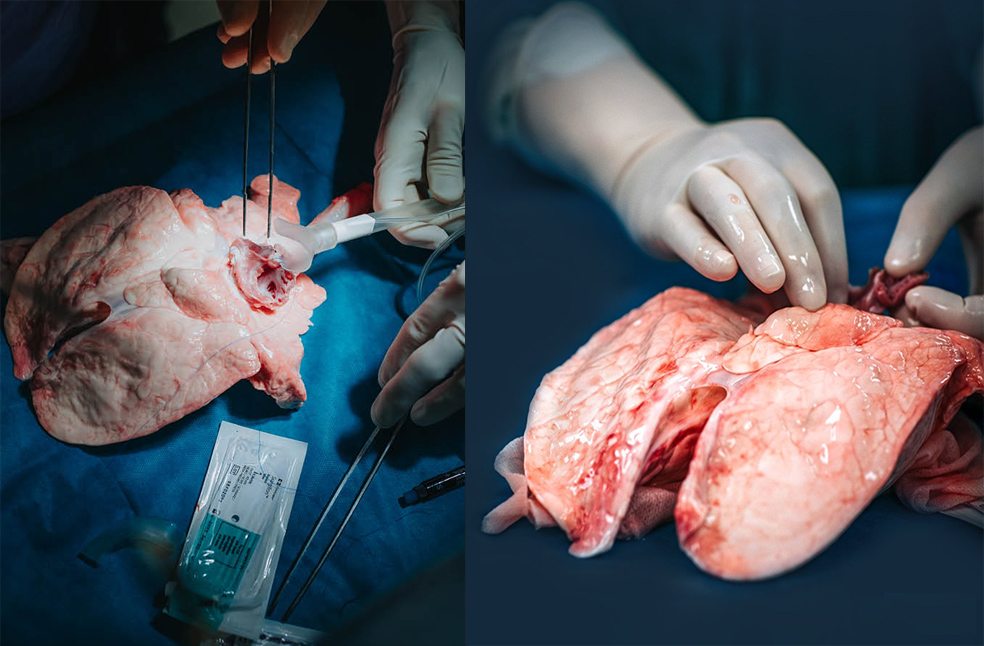
This enables transplant teams to assess lung function, treat infections, remove excess fluid and reopen collapsed tissue before transplantation.
Although the technology has already been tested at three adult transplant centres, NICE is now proposing wider adoption across all transplant centres and extending its use to paediatric patients, ensuring hospitals of all sizes can access the technology.
Dr. Anastasia Chalkidou, HealthTech Programme Director at NICE, said the system could help preserve more donated lungs that would otherwise never reach patients in need. She noted that every donated organ is valuable and the technology gives clinicians more time and information to determine whether lungs can safely be transplanted.
Jonathan Blades, Head of Policy at Asthma + Lung UK, welcomed the development, saying the UK continues to have lower lung transplant rates than many other developed nations and poorer respiratory health outcomes than much of Europe. He said the technology could help reduce organ wastage while giving more patients with severe lung disease a better chance of receiving life-saving transplants.
Professor Andrew Fisher, a consultant transplant physician and member of the British Transplantation Society, said further evidence from the trial will be essential to determine how much the technology can improve transplant activity and speed up access for patients awaiting suitable donor lungs.
ALSO READ | South Australia detects more suspected H5 bird flu cases
