


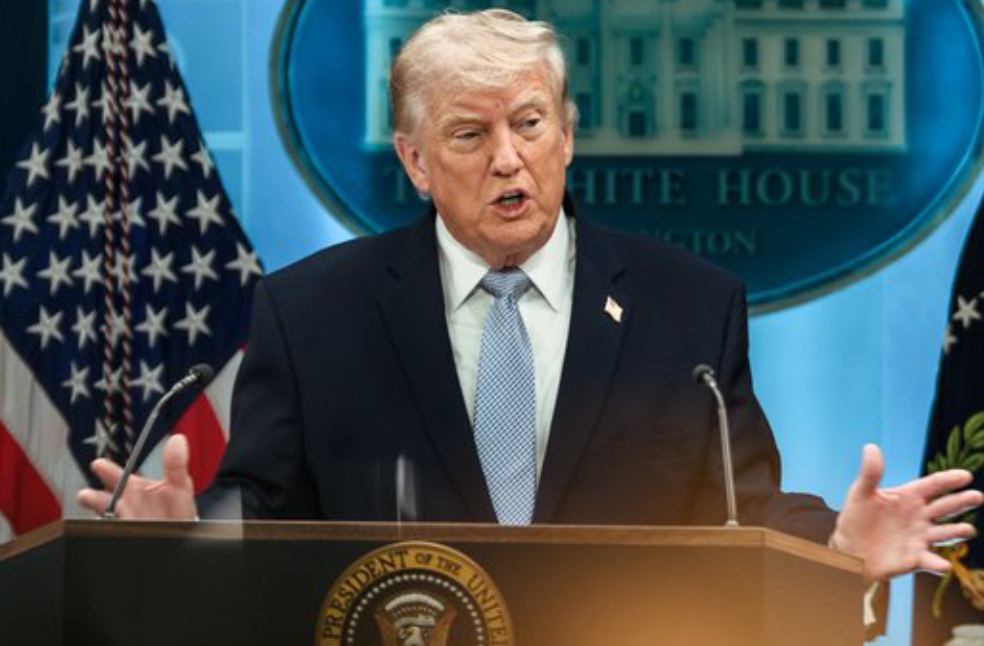
Washington: A US federal appeals court has rejected an attempt by President Donald Trump’s administration to suspend a lower court ruling that blocked the implementation of a $100,000 fee on new H-1B visas for highly skilled foreign workers.
The Boston-based First US Circuit Court of Appeals declined to pause a June 8 ruling that found the fee unlawful, allowing the lower court’s decision to remain in effect while the legal challenge continues. The lawsuit was brought by 20 Democratic state attorneys general, who argued that the administration lacked the authority to impose the fee without approval from Congress. The lower court agreed, ruling that the charge amounted to an unauthorised tax.
In its decision, the three-judge appellate panel said the Trump administration had failed to demonstrate it was likely to succeed on appeal in proving that it acted within its legal authority when introducing the fee.
The controversial measure was introduced through a presidential proclamation issued in September, significantly increasing the cost of obtaining H-1B visas, which are widely used by US technology companies and other employers to recruit highly skilled foreign professionals.
Under the H-1B programme, the US issues 65,000 visas annually, along with an additional 20,000 visas for applicants holding advanced degrees. These visas typically allow foreign professionals to work in the United States for three to six years.
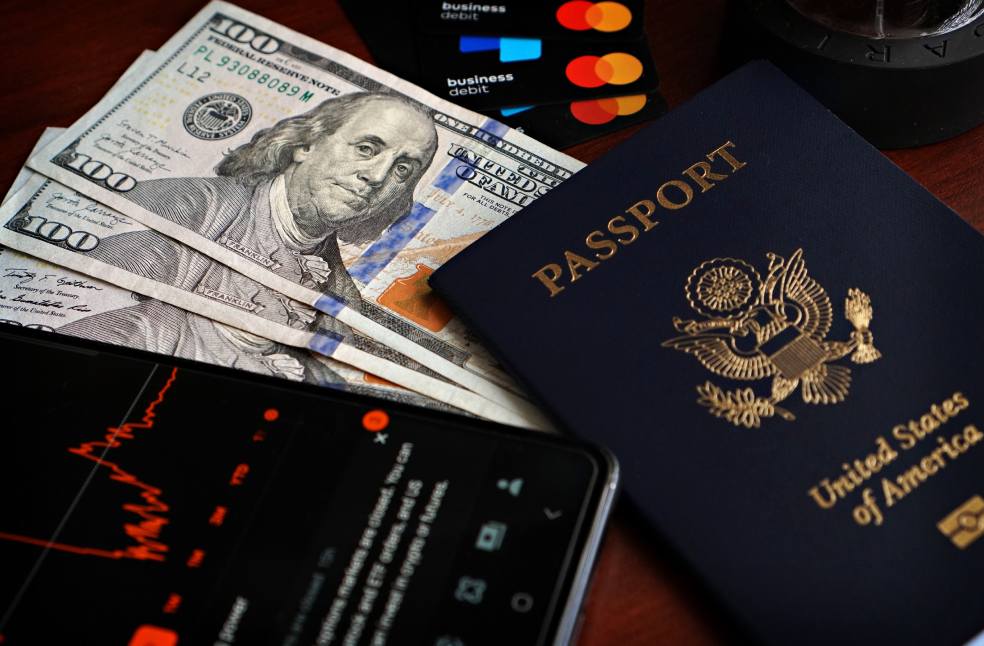
Before the proposed increase, employers generally paid between $2,000 and $5,000 in application-related fees, depending on the circumstances of each case. The new $100,000 charge represented a dramatic increase in hiring costs.
Trump defended the measure by arguing that the H-1B programme had been exploited to replace American workers with lower-paid foreign labour rather than supplementing the domestic workforce. However, the fee did not apply to foreign nationals already in the United States on student visas, who account for a significant portion of new H-1B recipients.
Since the policy was introduced, relatively few employers have paid the new fee, reflecting ongoing legal uncertainty and industry concerns. The White House did not immediately comment following the appeals court’s decision.
POPULAR | UN Secretary-General arrives in Syria for 1st visit in 17 years
