


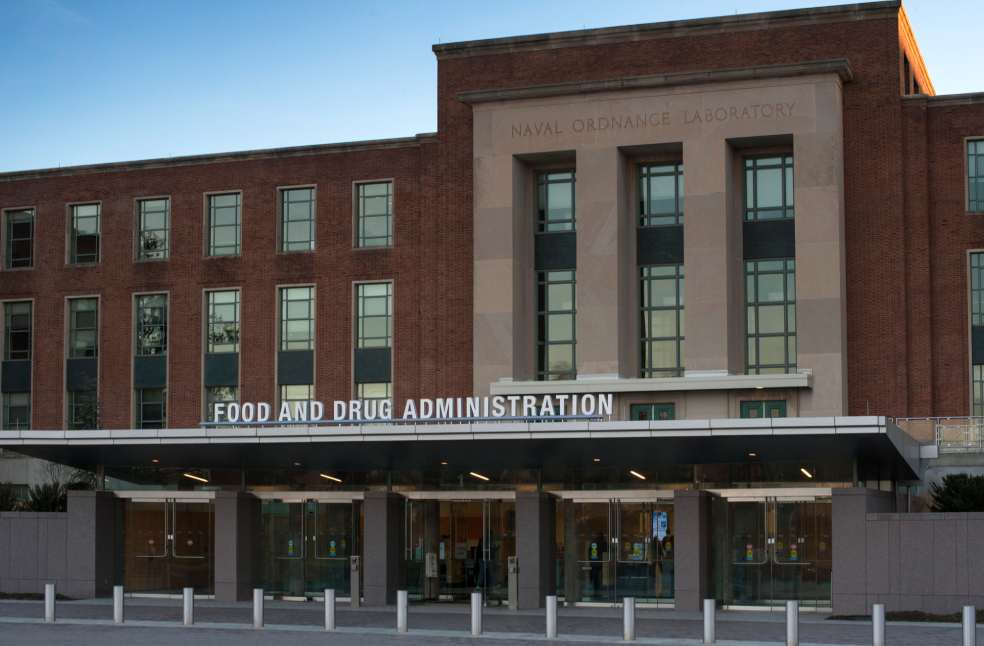
United States: A US Food and Drug Administration (FDA) advisory panel has voted to ease restrictions on several controversial peptides, marking a significant regulatory step toward allowing specialised pharmacies to produce the substances through prescriptions.
The panel narrowly supported loosening restrictions on peptides including BPC-157, TB-500, and KPV, despite concerns over limited human clinical research and unanswered questions about their long-term safety. While the FDA is not required to adopt the panel’s recommendations, it frequently considers advisory committee decisions when shaping regulatory policy.
Peptides are short chains of amino acids naturally produced by the human body and are already used in approved treatments for medical conditions such as diabetes. However, synthetic injectable peptides have gained widespread popularity across online wellness communities, particularly following the growing demand for GLP-1 weight-loss medications.
The substances have been heavily promoted by influencers on social media platforms, with claims that they can accelerate muscle growth, improve skin health, enhance tissue repair, reduce inflammation, and support anti-aging. Many users have linked peptide use to online trends such as ‘biohacking’ and ‘looksmaxxing,’ particularly among younger audiences.

Health experts, however, continue to urge caution. They point to the lack of robust human clinical trials and insufficient evidence supporting many of the health claims made by peptide marketers. Researchers also warn that the long-term health effects remain largely unknown.
Among the most widely discussed compounds is BPC-157, a peptide derived from stomach protein that has shown potential benefits in animal studies for tissue healing and muscle recovery. However, the US Anti-Doping Agency has stated that there is no established safe dosage for human use and that its safety profile remains unclear. The peptide is also prohibited in competitive sports under World Anti-Doping Agency regulations.
Another peptide under consideration, KPV, is marketed for gut health, immune regulation, and skin repair, although similar concerns remain regarding the lack of sufficient clinical evidence.
Currently, these peptides occupy a regulatory grey area in the United States. While they are widely sold online and are not illegal to possess, they are not approved for human use and therefore are not manufactured under the same quality standards as licensed pharmaceutical products.
The restrictions under review were introduced during the Biden administration after the FDA concluded that the compounds failed to meet required safety standards. Health Secretary Robert F. Kennedy Jr., who has publicly expressed support for peptides, has pledged to roll back several of those restrictions as part of a broader push for expanded medical access.
During the advisory meeting, some panel members opposed easing restrictions due to unresolved safety and efficacy concerns, while others argued that increasing access would support medical freedom and benefit patients. The committee is expected to continue its discussions before submitting its final recommendations.
POPULAR | Modi announces fast-track courts over India exam leak crisis
