


United States: Global oil prices have climbed to $100 a barrel for the first time since May, as escalating tensions in the Middle East renewed concerns over energy supplies and global inflation.
Brent crude, the international benchmark for oil prices, jumped more than 6 percent, extending gains recorded over the past several days. The latest rally comes as the United States intensified military strikes against Iran, while attacks on oil tankers in the Red Sea further disrupted confidence in global energy markets.
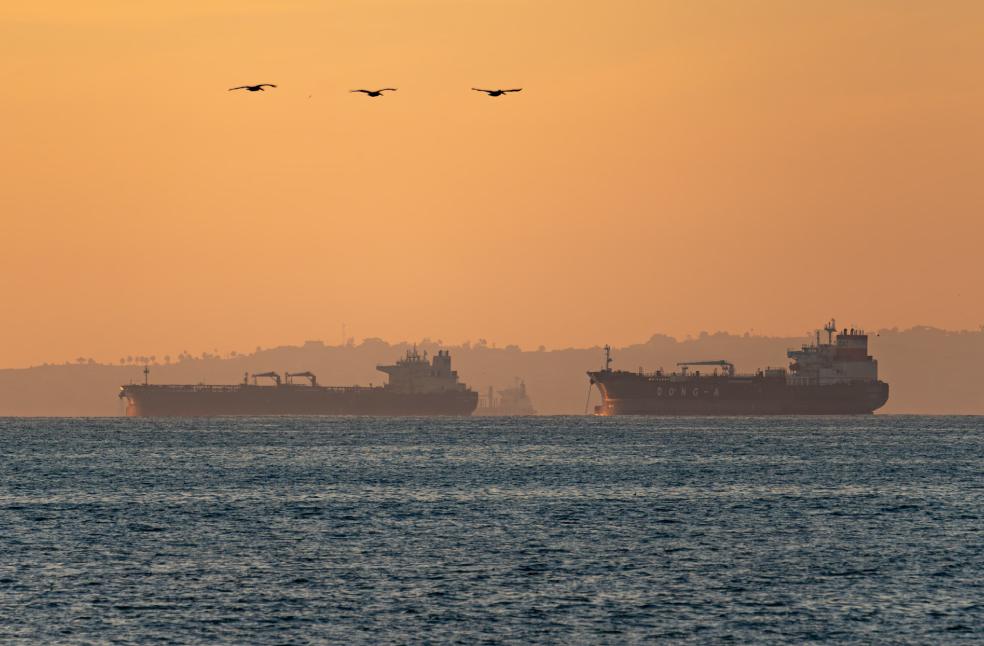
The price surge was triggered after Yemen’s Houthi militia targeted oil tankers in the Red Sea, threatening a crucial export route that Saudi Arabia uses to transport crude while bypassing the strategically important Strait of Hormuz. The attacks have heightened fears of potential disruptions to one of the world’s busiest energy shipping corridors.
Natural gas prices have also continued to rise, with the benchmark UK gas price reaching around 150 pence per therm, compared with approximately 98 pence at the end of June.
Oil prices had previously declined following a temporary ceasefire between the United States and Iran, returning to levels seen before military operations began on February 28. However, the collapse of the ceasefire has renewed market uncertainty. US Secretary of State Marco Rubio recently stated that Iran’s leadership was not ready to make a deal, adding to concerns over a prolonged regional conflict.
The rise in crude oil prices is expected to have widespread economic consequences, particularly by increasing fuel and transportation costs. Higher petrol and diesel prices often lead to increased operating expenses for businesses, which can ultimately result in higher prices for food, consumer goods and essential services.
Although inflation has eased in recent months, falling to 2.6 percent in the UK for the year to June and 3.5 percent in the United States, economists warn that sustained increases in energy prices could reverse that progress.
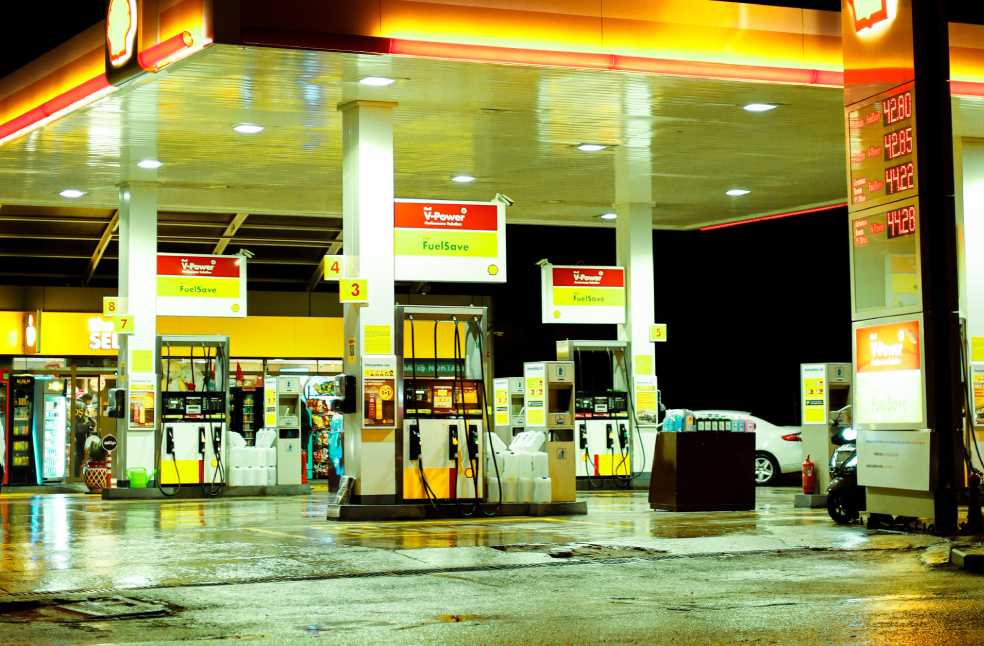
Recent data shows UK petrol prices have increased by around 5 pence per litre since the beginning of July, reaching nearly $2 (£1.56) per litre, while diesel averages $2.29 (£1.72) per litre, according to the RAC. In the United States, average gasoline prices have risen above $4 per gallon, according to the American Automobile Association (AAA).
Investment experts caution that prolonged energy price increases could complicate efforts by central banks to control inflation. Higher fuel costs may force policymakers to maintain elevated interest rates for longer, increasing borrowing costs for households and businesses.
The Bank of England has kept its benchmark interest rate at 3.75 percent for four consecutive meetings. While analysts expect rates to remain unchanged in the near term, future reductions could depend on whether energy prices stabilise.
Meanwhile, the US Federal Reserve, under its new chair Kevin Warsh, has reiterated its commitment to restoring price stability despite mounting political pressure to lower borrowing costs. Economists believe developments in the Middle East will remain a key factor influencing global energy markets and monetary policy in the coming months.
POPULAR | Modi announces fast-track courts over India exam leak crisis
