


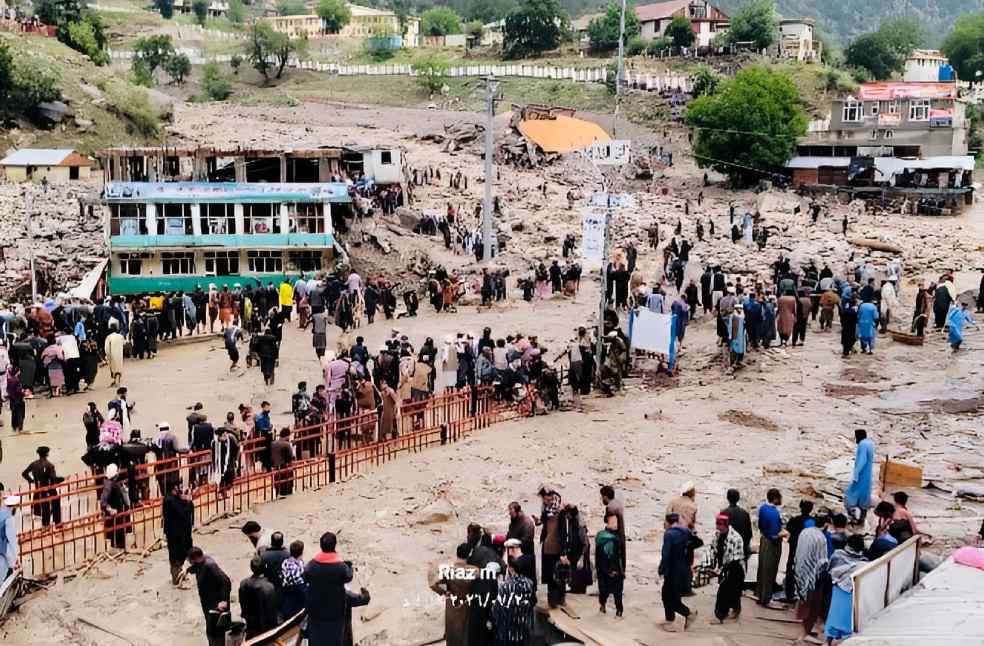
Afghanistan: At least 20 people have been killed, and more than 100 others are missing after devastating flash floods triggered by torrential rainfall swept through eastern Afghanistan’s Nuristan province, Taliban officials said.
The worst-hit area was Parun, the capital of Nuristan province, where floodwaters caused widespread destruction, washing away homes, shops, roads, and government buildings. Authorities confirmed that Parun’s mayor is among those reported missing, while more than 80 residents have sustained injuries.
Taliban officials warned that the disaster is expected to result in ‘severe financial and human losses’ as rescue operations continue in difficult conditions. Emergency teams and residents have been searching through debris, although limited equipment and damaged infrastructure have hampered rescue efforts.
Ashiqullah Safi, head of the local non-governmental organisation Shpoul, said the floods completely devastated Parun’s municipal infrastructure. Ashiqullah Safi noted that powerful floodwaters carried large boulders into the town, making search and recovery operations even more challenging.
Videos circulating on social media showed extensive destruction, with buildings reduced to rubble, roads washed away, and floodwaters inundating entire neighbourhoods.
The Taliban’s meteorology department has issued further warnings of heavy rainfall and possible flooding across 10 of Afghanistan’s 34 provinces. Residents have been urged to stay away from riverbanks, valleys, and other flood-prone areas as weather conditions remain unstable.
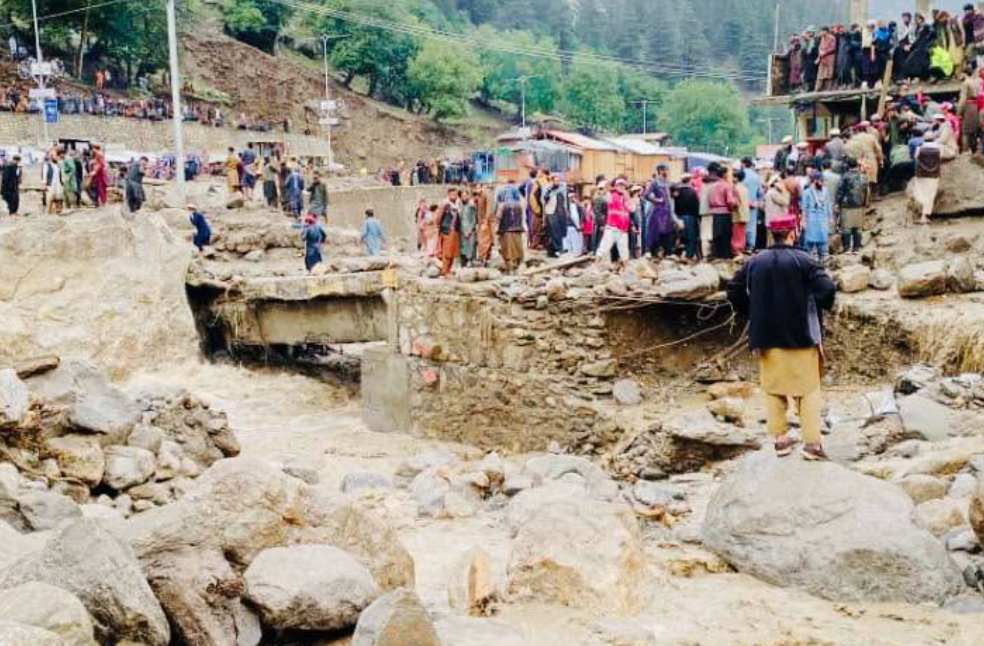
Nuristan, renowned for its lush forests, green mountains, and scenic rivers, was designated a national park in 2020. However, environmental experts have long warned that widespread deforestation and illegal logging in the province have significantly increased the risk of flash flooding by reducing the land’s ability to absorb heavy rainfall.
Afghanistan remains one of the world’s most climate-vulnerable countries, frequently facing devastating floods, droughts, and extreme weather events. The country’s fragile infrastructure, prolonged conflict, and economic challenges have further limited its ability to respond effectively to natural disasters.
The latest tragedy comes just months after severe flooding in northern Afghanistan claimed at least 150 lives in April, although the World Food Programme later estimated the death toll exceeded 300, highlighting the growing impact of climate-related disasters across the country.
TRENDING | Bank of England bars thermal coal-linked bonds in climate risk move
