


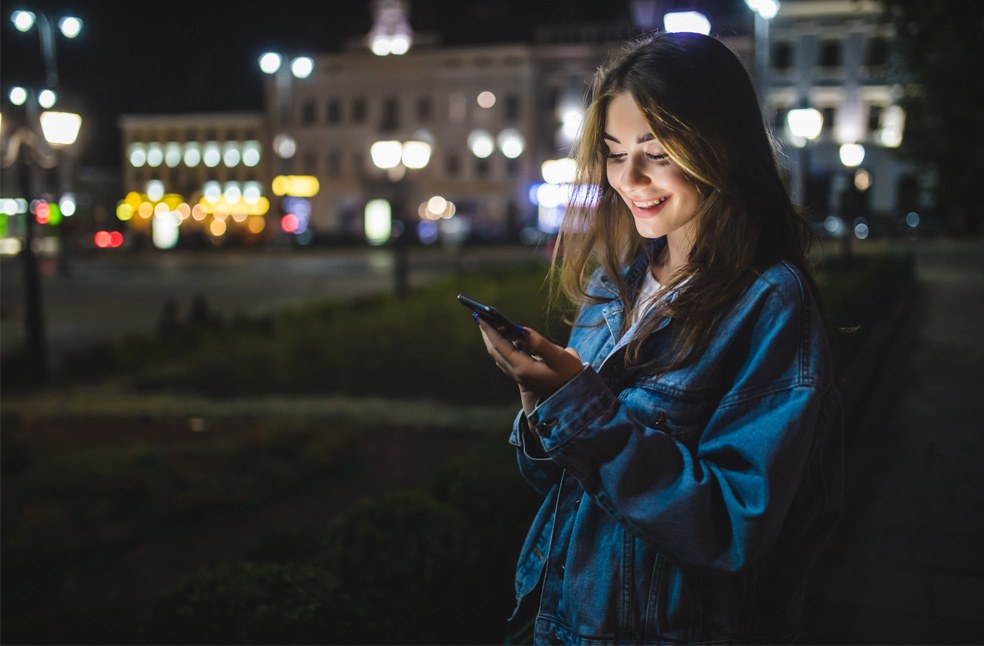
London: The UK government has announced plans to introduce default overnight restrictions on social media use for 16 and 17-year-olds, alongside a wider ban on social media access for children under the age of 16 that is due to come into force next spring.
The measures come during growing global concerns over the impact of social media on young people’s mental health, online safety, and well-being. More than 40 countries have either introduced similar restrictions or are considering them.
Technology Secretary Liz Kendall said that the latest proposals are designed to prevent older teenagers from being immediately exposed to the most addictive features of social media once they reach 16.
Late-night scrolling. Endless autoplay. Algorithms designed to keep you hooked.
We're changing that for 16 and 17-year-olds.
New protections will mean overnight social media curfews and addictive features will be switched off by default, helping young people get better sleep,… pic.twitter.com/ykWa9gjNRT
— Department for Science, Innovation and Technology (@SciTechgovuk) July 15, 2026
According to Kendall, the measures are intended to help young people get adequate sleep, stay focused on school and college, and spend more time with family and friends, supporting healthier development into adulthood.
Proposed restrictions
Under the plans, default settings on social media platforms would:
- Block access between midnight and 6 am
- Disable infinite scrolling by default
- Turn off algorithm-driven content feeds that recommend posts based on previous activity
- Introduce built-in breaks for AI chatbot applications
Teenagers aged 16 and 17 would still be able to switch off these default settings if they choose, allowing them to access the same unrestricted experience as adults.
Mixed reactions
The proposals have drawn criticism from the opposition. Conservative Shadow Education Secretary Laura Trott argued that optional curfews would have little impact, saying the policy lacks consistency given the government’s plans to allow 16-year-olds to vote while restricting their social media use.
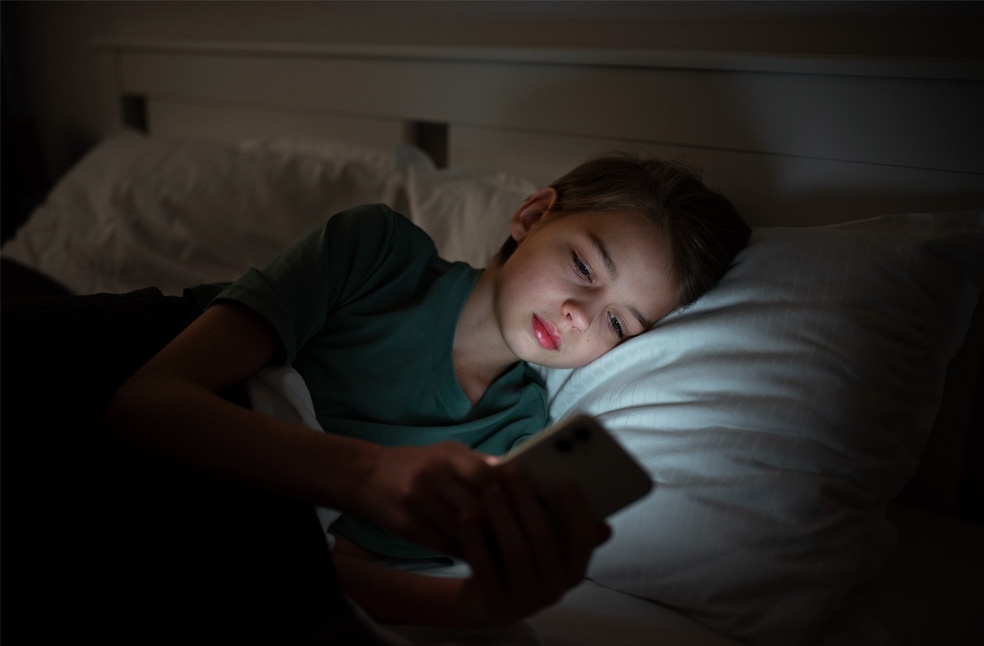
Children’s charity NSPCC welcomed the additional protections but added that they should be accompanied by stronger action to tackle addictive platform designs that contribute to excessive screen time and affect young people’s well-being.
Consultation and next steps
The Department for Science, Innovation and Technology (DSIT) noted that, consultations with parents and teenagers found there was broad support for continued safeguards even as young people gain greater independence at 16.
A pilot involving more than 300 participants also indicated that overnight restrictions improved sleep and concentration. Alongside the new measures, the government plans to publish updated guidance on the safe use of artificial intelligence and strengthen media literacy education in schools from September.
The wider social media ban for under-16s was introduced following criticism that major technology companies have not done enough to protect children online. Modelled on Australia’s approach, the restrictions are expected to apply to platforms such as TikTok, Instagram, Snapchat, and YouTube, while messaging services including WhatsApp are expected to remain exempt.
MOST READ | Yuka app is reshaping grocery shopping and food choices
