


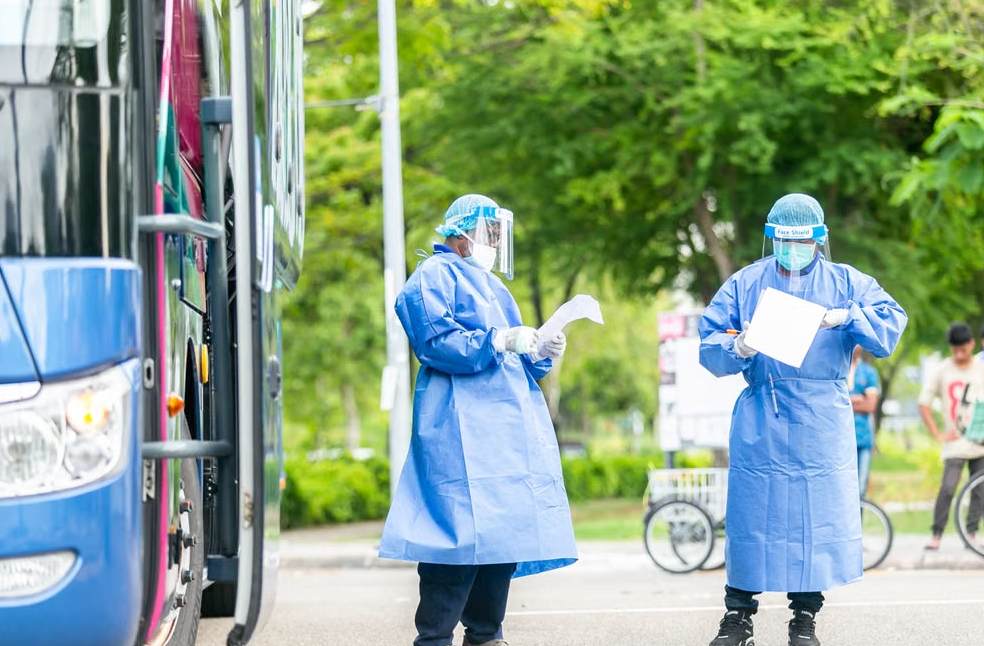
London: A public inquiry into the United Kingdom’s response to the COVID-19 pandemic has concluded that serious failures in planning and procurement left many National Health Service (NHS) staff without adequate personal protective equipment (PPE) during the health crisis.
The report found that frontline healthcare workers were often unable to properly protect themselves or their patients, while weaknesses in emergency planning resulted in significant financial losses.
The inquiry found that the UK’s stockpile of masks, gloves, gowns and other protective equipment was in a poor state before the pandemic began. As demand for PPE surged in early 2020, the country struggled to secure enough supplies in the global market. The report also noted that care homes, GP practices and pharmacies were expected to obtain their own protective equipment, describing the approach as a major planning failure.
According to the inquiry, the UK government spent £14.9 billion on PPE during the pandemic, with almost £10 billion ultimately wasted. When spending on other emergency equipment, including home testing kits and ventilators, was included, total expenditure between January 2020 and June 2022 exceeded £42 billion.
Inquiry chair Baroness Heather Hallett described the scale of wasted public money as vast and warned that heavy reliance on overseas manufacturing, particularly in China, left the UK vulnerable during the crisis.
The report also criticised the government’s emergency procurement process, including the so-called ‘VIP lane’, which prioritised offers from suppliers recommended by ministers, MPs and senior officials. The inquiry said the system created unfairness in the awarding of contracts and damaged public trust, although it found no evidence of corruption or criminal wrongdoing by ministers or civil servants involved in the process.
Baroness Hallett called for major reforms to ensure the UK is better prepared for future public health emergencies. Recommendations include overhauling the system for purchasing and distributing PPE, strengthening the national emergency stockpile and developing a domestic manufacturing strategy so that essential healthcare equipment can be produced within the UK when needed.
The inquiry said the lessons learned from the pandemic should be used to improve emergency preparedness and protect healthcare workers in future crises. It concluded that stronger planning, more resilient supply chains and greater transparency in procurement will be essential to restoring public confidence and ensuring the country is better equipped to respond to future pandemics.
IMPORTANT | Ebola spreads to two more provinces in DR Congo
