


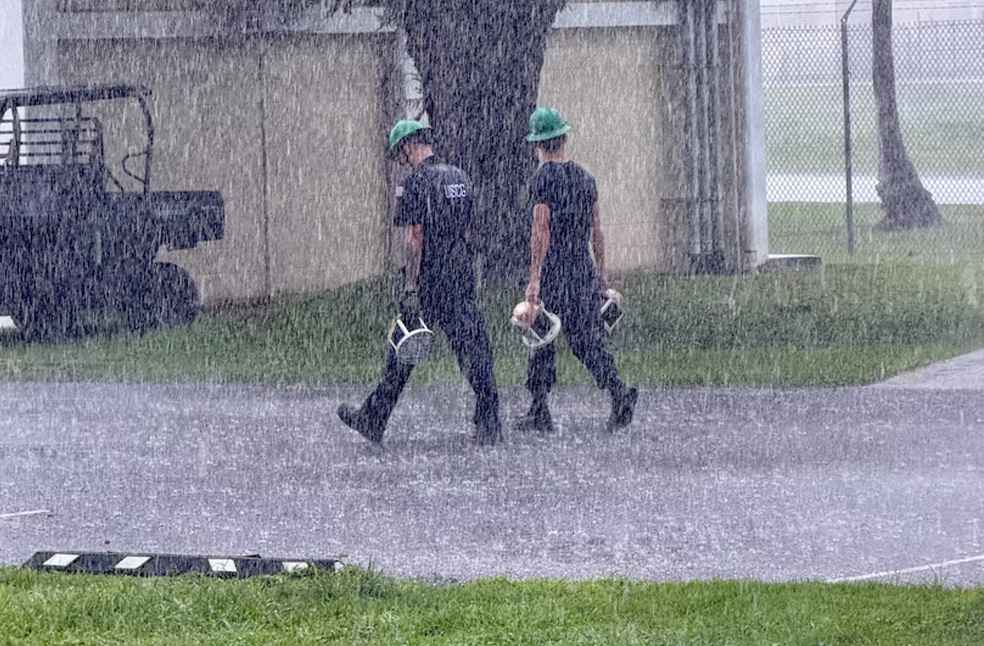
Guam: Super Typhoon Bavi has made landfall across Guam and the Northern Mariana Islands, bringing destructive winds, torrential rain, and dangerous storm surges to the US Pacific territories.
The storm is packing sustained winds of nearly 290 km/h (180 mph) with gusts reaching 350 km/h, according to the US National Weather Service (NWS). Forecasters have warned that the ‘very dangerous’ system could inflict catastrophic damage, with waves expected to reach heights of nearly 11 metres (35 feet).
The Northern Mariana Islands are experiencing the brunt of the storm, with Rota, the southernmost inhabited island, located about 50 kilometres northeast of Guam, taking a direct hit. Officials have reported major damage as destructive winds and flooding continue to affect the island.
Monday, July 6, 2026. 4:54 AM ChST
Super Typhoon Bavi (09W)
The National Weather Service in Tiyan has issued a
* Extreme Wind Warning for…
Rota…
* Until 630 AM ChST.https://t.co/kUCuTWXo6w pic.twitter.com/UXkjjZCgwC— NWS Guam 🇬🇺 (@NWSGuam) July 5, 2026
Authorities had urged residents to complete preparations before conditions rapidly deteriorated, warning that it would become unsafe to remain outdoors as the typhoon intensified.
On Saipan, strong wind gusts exceeding 161 km/h (100 mph) were recorded at the airport. The island is also facing additional challenges after many areas were still without electricity following Super Typhoon Sinlaku, which struck Guam and the Northern Mariana Islands in April, killing 17 people and causing an estimated $1.5 billion in damage.
The NWS warned that typhoon-force winds are expected to continue through July 6afternoon, while tropical storm-force winds may persist until after midnight.
In Guam, home to around 170,000 residents, authorities opened five evacuation centres at schools to shelter vulnerable residents. One shelter reached full capacity on July 5, prompting officials to redirect evacuees to other available locations.
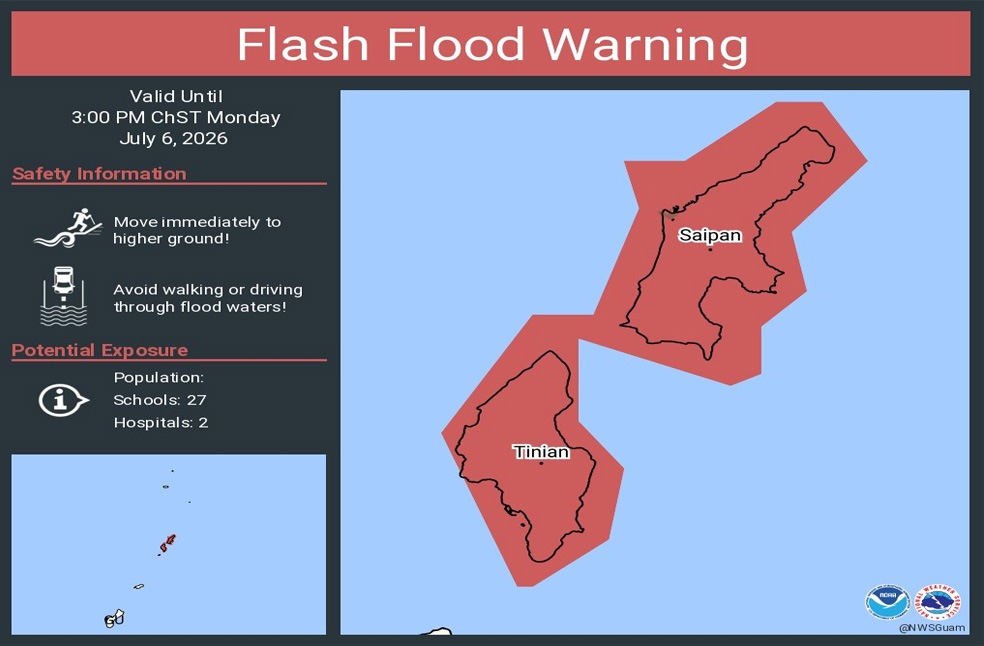
The Joint Typhoon Warning Center (JTWC) has classified Bavi as a super typhoon, a designation reserved for storms with sustained winds exceeding 240 km/h. The NWS says such storms have destructive potential comparable to a Category 4 or Category 5 hurricane.
Preparations across Guam included boarding up buildings, suspending travel, and activating emergency response measures as the storm approached. Flight disruptions were also reported due to severe weather conditions.
Bavi is the 11th Category 4 or 5 tropical cyclone to strike US territory over the past decade, exceeding the total recorded during the previous 57 years.
Scientists say the western Pacific remains one of the world’s most active regions for tropical cyclones, with climate change contributing to stronger storms. In addition, a developing strong El Niño event is expected to increase the likelihood of more high-intensity tropical cyclones across the Pacific in the coming months.
ALSO READ | Messi leads Argentina past Cape Verde in extra time
