


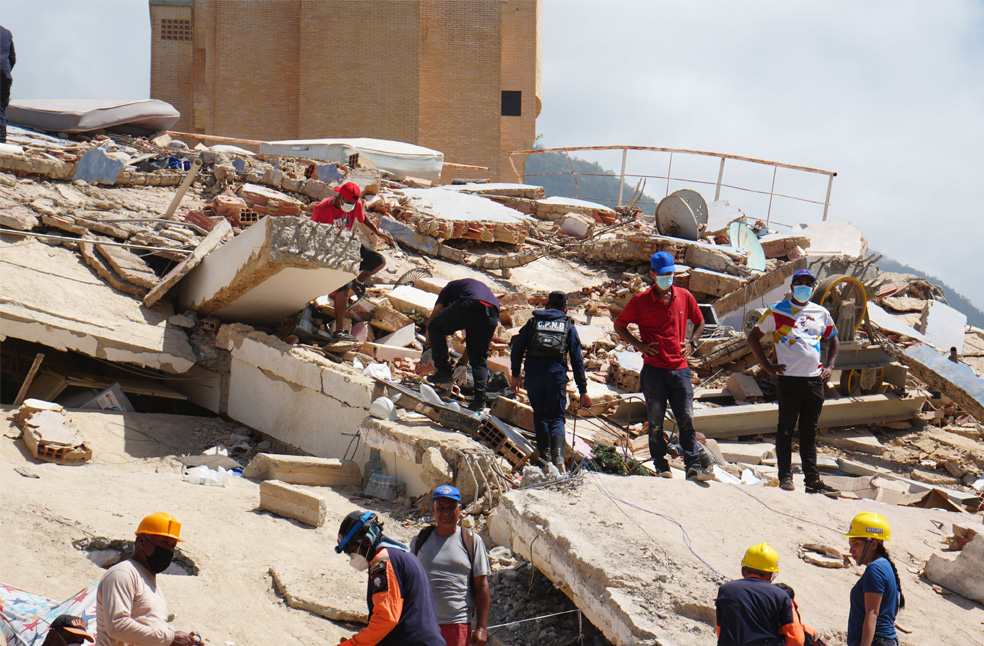
Caracas: The death toll from the twin earthquakes that struck Venezuela earlier this week has risen to 1,430, according to National Assembly President Jorge Rodríguez, as search and rescue operations continue across the country’s worst-affected regions.
Speaking on state television, Rodríguez said 3,200 people have been injured, while 3,100 residents have been left homeless by the disaster. Authorities also reported that at least 68,900 people remain unaccounted for, with families still searching for missing loved ones.
The two powerful earthquakes, measuring 7.2 and 7.5 in magnitude, struck within a minute of each other on Wednesday evening, causing widespread destruction across northern Venezuela and reducing numerous buildings to rubble.
Desde cada rincón se siguen sumando corazones en un mismo latir: salvar vidas y fortalecer la esperanza.
Cada vida rescatada es una victoria ante la adversidad. En la unión del pueblo junto a rescatistas, bomberos y cuerpos de seguridad se encuentra la solidaridad que nos… pic.twitter.com/L06Ni3uAzN
— Ministerio de Comunicación e Información (@mippci_ven) June 28, 2026
Rescue teams, assisted by local residents, continue to search for survivors in devastated communities, particularly in La Guaira, one of the hardest-hit areas, where many civilians have been digging through collapsed structures using shovels and their bare hands.
In a rare sign of hope, acting President Delcy Rodríguez announced that an 11-year-old boy had been rescued alive from the rubble in the coastal city of Caraballeda. Sharing footage of the rescue on social media, she described every life saved as a source of hope for the nation.
The United Nations Development Programme (UNDP) estimated that the earthquakes caused approximately $6.7 billion in damage, equivalent to around 6 percent of Venezuela’s gross domestic product (GDP). The preliminary assessment includes losses to physical assets such as housing, but does not yet account for broader economic disruption.
Authorities have deployed more than 14,000 military personnel and police officers to affected regions to support rescue operations, maintain security, and control access to disaster zones, where special permits are currently required.
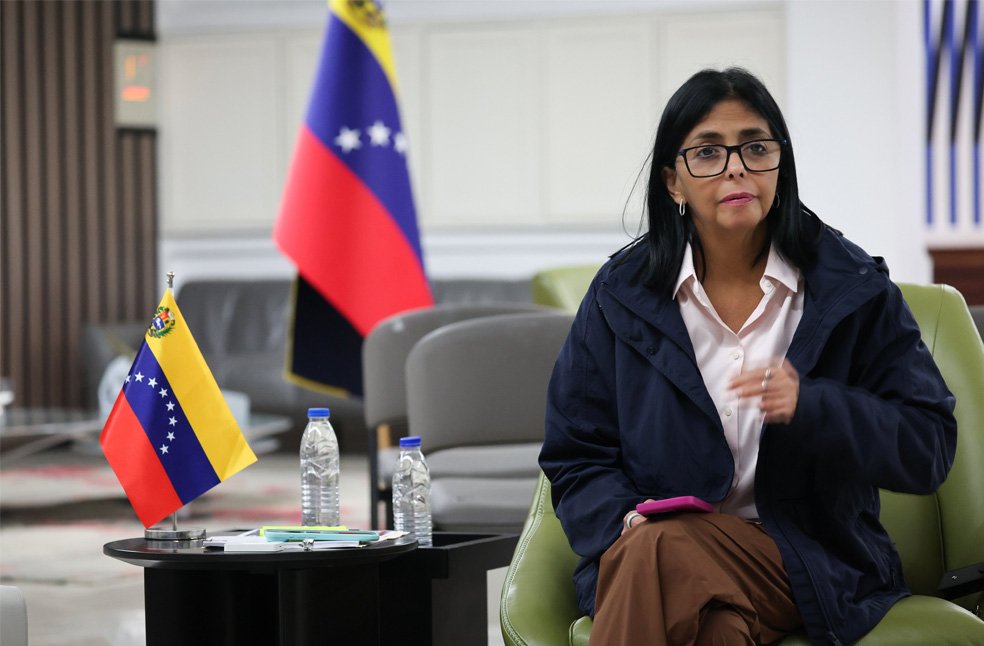
International assistance has continued to arrive, with rescue teams from Mexico, the United States, Brazil, El Salvador, and France reaching Venezuela. They joined emergency responders previously deployed from countries including the Netherlands, Turkey, and the United Kingdom.
However, a specialist search-and-rescue team from the British charity Serve On has faced delays after becoming stranded at Madrid Airport due to flight disruptions caused by severe damage to Simón Bolívar International Airport, the main international gateway serving Caracas. The airport sustained significant damage during the earthquakes, resulting in multiple flight cancellations.
The United States has also stepped up its support, with officials confirming that the US military will help coordinate flights transporting rescue teams, mobile hospitals, and emergency supplies into the country.
Two 80-member US search-and-rescue teams have been deployed, while a US Navy transport ship has been positioned off Venezuela’s coast to receive injured survivors requiring urgent medical treatment.
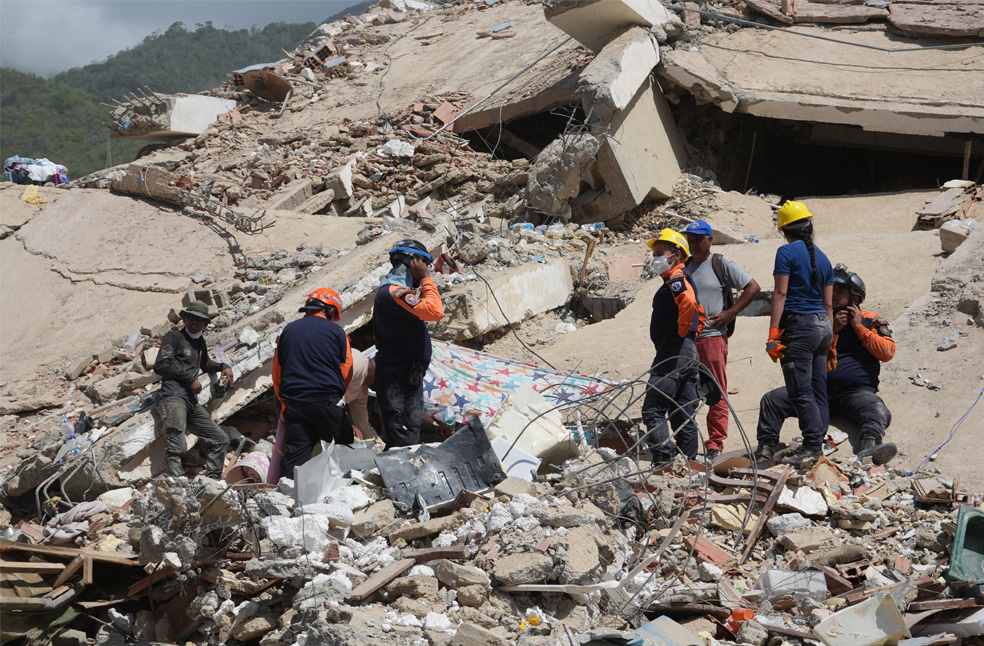
US officials described the operation as a race against time, emphasising that many people remain trapped beneath collapsed buildings and that rapid deployment of rescue personnel and medical teams is critical to saving lives.
The International Red Cross stated that many survivors remain fearful of returning to their damaged homes because of ongoing safety concerns.
Authorities have also confirmed that foreign nationals are among those who lost their lives, including 15 people of Portuguese nationality or descent, seven Chinese nationals, two Brazilians, five Spaniards, and one Italian-Venezuelan.
As rescue operations continue, emergency responders and humanitarian organisations remain focused on locating survivors, delivering relief supplies, and supporting thousands of displaced residents in the aftermath of one of Venezuela’s deadliest natural disasters.
MOST READ | AI chip demand drives Apple to raise MacBook and iPad prices
