


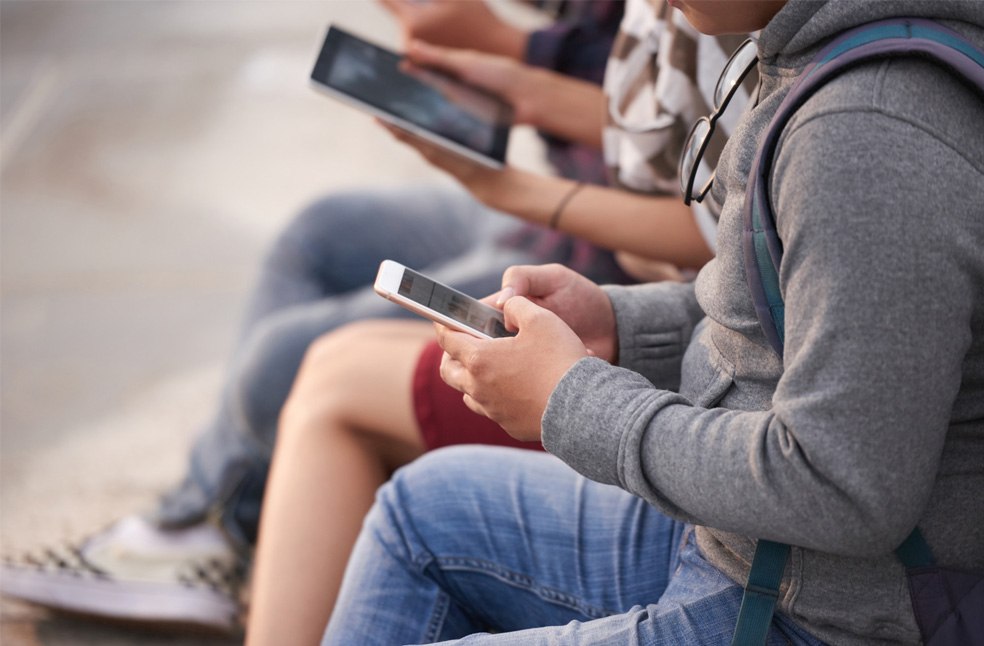
Sydney: A major new study has found that around 85 percent of Australian teenagers under the age of 16 are still using social media despite a nationwide ban that came into effect in December, raising questions about the effectiveness of the world-first measure.
The research, published in The BMJ and conducted by researchers at the University of Newcastle, Australia, found that the vast majority of underage users remained active on social media platforms, with little change in the amount of time they spent online.
Daily social media use remained stable among children aged 12 to 13, declined from 78 percent to 69 percent among those aged 14 to 15, and increased by 9 percent among individuals over the age of 16.
The findings indicate that the ban has had limited impact on reducing teenagers’ use of social media platforms. Andy Burrows, Chief Executive of the Molly Rose Foundation, said the policy had not significantly reduced the amount of time young people spend on high-risk social media sites.
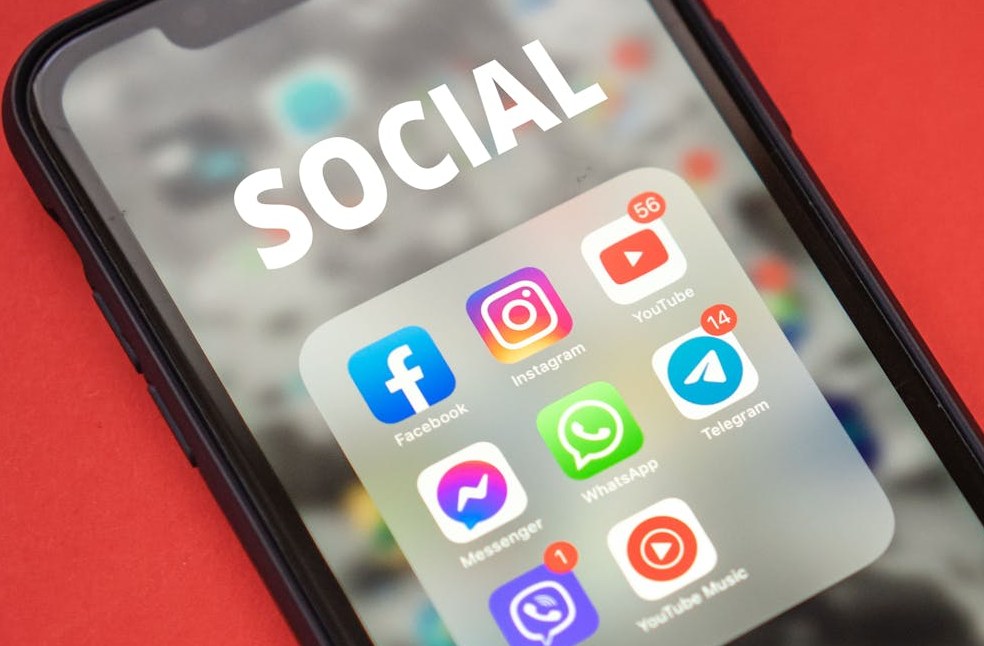
Under the legislation, social media companies are required to take reasonable measures to prevent underage users from accessing their platforms. However, researchers found that between 54 percent and 68 percent of underage users continued to access social media through their own accounts. The study also revealed that 66 percent of participants had been asked by platforms to verify their age.
Before the ban was introduced, there were concerns that young people would use virtual private networks (VPNs) to bypass restrictions, similar to behaviour observed after the UK began enforcing age-verification requirements for adult content. However, the study found little evidence of widespread VPN use among teenagers.
Instead, the most common ways of bypassing the restrictions included continuing to use existing accounts, accessing social media through another person’s account, or creating new accounts using false age information.
The findings add to previous evidence suggesting the ban has struggled to achieve its intended objectives. Three months after the law came into effect, seven in ten parents told Australia’s eSafety Commissioner that their underage children still had active social media accounts.
The study has also attracted attention in the United Kingdom, where policymakers are considering similar restrictions. UK Online Safety Minister Kanishka Narayan has indicated that the British government plans to require more robust age-assurance measures rather than relying solely on platforms taking reasonable steps to block underage users.
Possible approaches include stricter age-verification systems similar to those already used for adult content websites or device-level age verification. Researchers involved in the study suggested that stronger verification methods may be necessary to improve the effectiveness of social media restrictions.
In a separate commentary published in The BMJ, Louise Holly, Policy and Research Coordinator at the University of Geneva, described the findings as concerning and urged governments considering broad social media restrictions for children to carefully evaluate the available evidence.
Holly also emphasised that the results should not be viewed as a reflection of children’s compliance. Instead, she argued that the legislation was designed to change the practices of social media companies and that the primary concern is the apparent inability of platforms to effectively implement and enforce the restrictions.
ALSO READ | Second H5N1 case prompts increased surveillance in Australia
