


Human memory is not always reliable. At times, the brain creates unusual sensations that make reality feel distorted for a few seconds. Two of the most fascinating psychological experiences connected to memory and perception are déjà vu and jamais vu. While they appear to be opposites, both reveal how complex the human brain truly is.
What is Déjà Vu?
Déjà vu is a French term meaning ‘already seen.’ It describes the strange feeling that a current situation has happened before, even when it clearly has not. A person may walk into a room for the first time yet feel as though they have experienced that exact moment previously.
Scientists believe déjà vu occurs because of a brief mismatch in the brain’s memory-processing systems. The sensation is usually linked to the temporal lobe, a region involved in memory formation and recognition. Researchers suggest that the brain may accidentally classify a new experience as a memory, creating the illusion of familiarity.
Déjà vu is extremely common. Studies indicate that nearly 60–70 percent of healthy people experience it at least once in their lives. It tends to occur more frequently among younger adults and individuals under stress or fatigue.

Psychologists have also associated déjà vu with how the brain processes familiarity and recollection. Familiarity is the quick sense that something is known, while recollection involves remembering details. During déjà vu, familiarity may activate without actual recollection, causing confusion.
What is Jamais Vu?
Jamais vu is the opposite of déjà vu. The French phrase means ‘never seen.’ In this phenomenon, something familiar suddenly feels unfamiliar or unreal.
For example, a person may repeatedly write a common word such as ‘door’ or ‘apple’ until the word begins to look strange and meaningless. Someone may also momentarily fail to recognize a familiar face, route, or even their own handwriting.
Jamais vu is less common than déjà vu, but scientists consider it equally important for understanding memory and attention. Researchers believe it may happen when the brain becomes overly fatigued from repetition, causing a temporary disconnection between recognition and meaning.
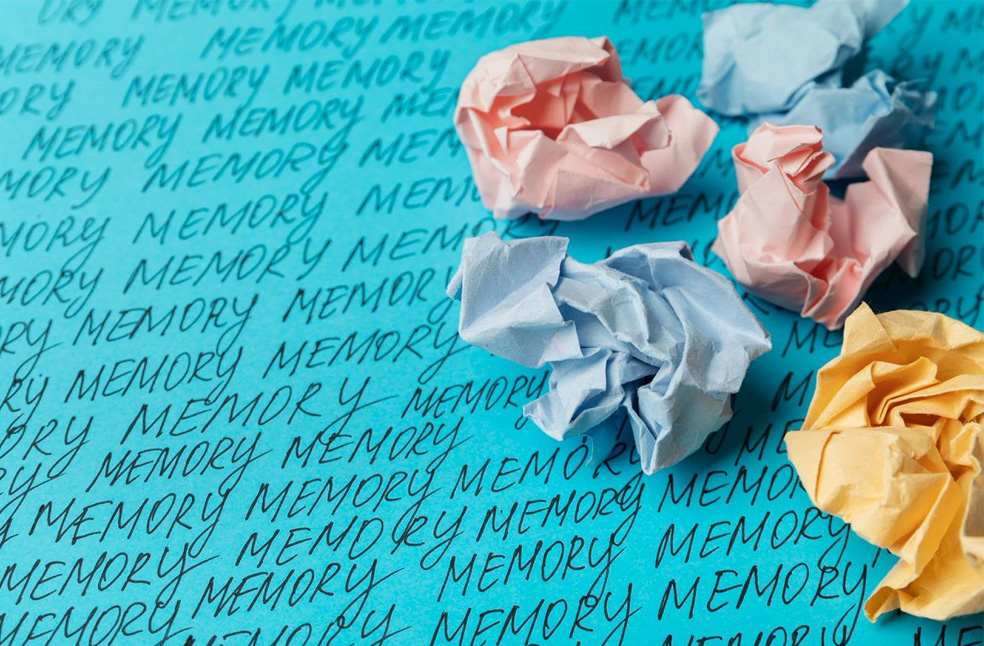
A 2023 study published in the journal Memory explored jamais vu through repetitive writing experiments. Participants repeatedly wrote common words until many reported that the words felt unreal or lost meaning entirely. Scientists concluded that jamais vu may act as a signal that the brain’s checking and processing systems are becoming overloaded.
Scientific explanations behind
Neuroscientists believe both experiences involve disruptions in recognition memory. The brain constantly compares incoming information with stored memories. When this system briefly malfunctions, unusual sensations emerge.
Brain regions involved
Key brain regions associated with these experiences include:
- The temporal lobe
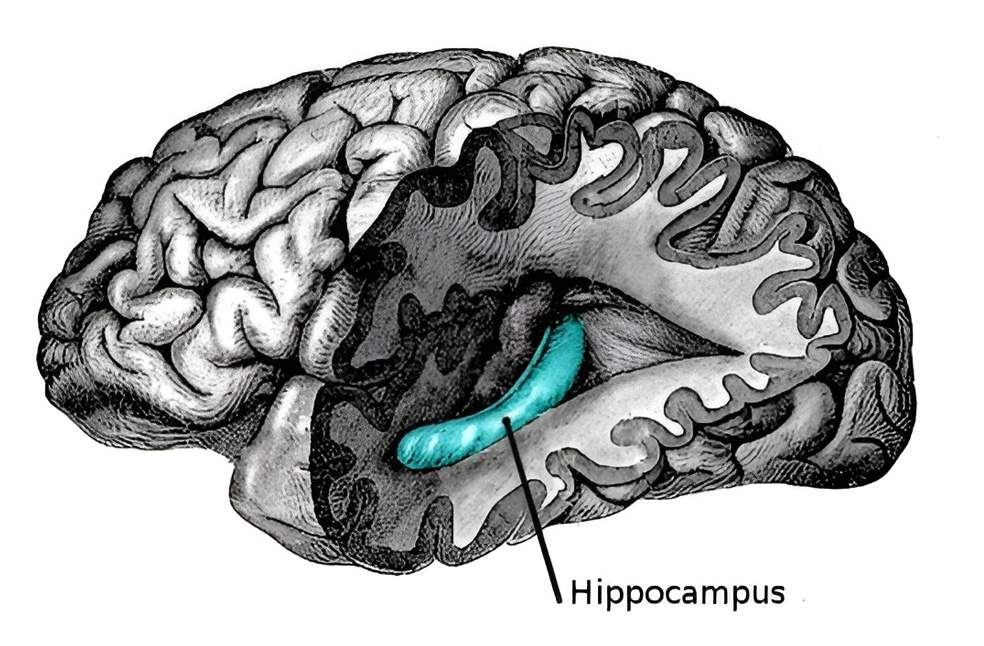
- The hippocampus
- The parahippocampal cortex
- Neural familiarity circuits
The hippocampus plays a major role in memory storage, while the parahippocampal cortex helps determine familiarity. Minor disruptions in communication between these regions may create false familiarity or unfamiliarity.
Déjà Vu and neurological disorders
Although usually harmless, intense or frequent déjà vu can sometimes be linked to neurological conditions such as Temporal lobe epilepsy. Some patients experience powerful sensations of familiarity before seizures occur.
Similarly, jamais vu has been observed in individuals with certain neurological and psychiatric conditions, including dissociative disorders and fatigue-related cognitive disturbances.
Psychological significance
Both phenomena demonstrate that memory is not a perfect recording system. Instead, the brain continuously reconstructs experiences using perception, attention, and stored information.
Déjà vu reminds us that familiarity can sometimes be created without true memory, while jamais vu shows that repetition can temporarily strip meaning from familiar experiences.
Scientists continue studying these unusual sensations because they provide valuable insight into consciousness, recognition, and how the human mind organizes reality.
POPULAR | Power Naps: Tiny breaks that make big difference
