


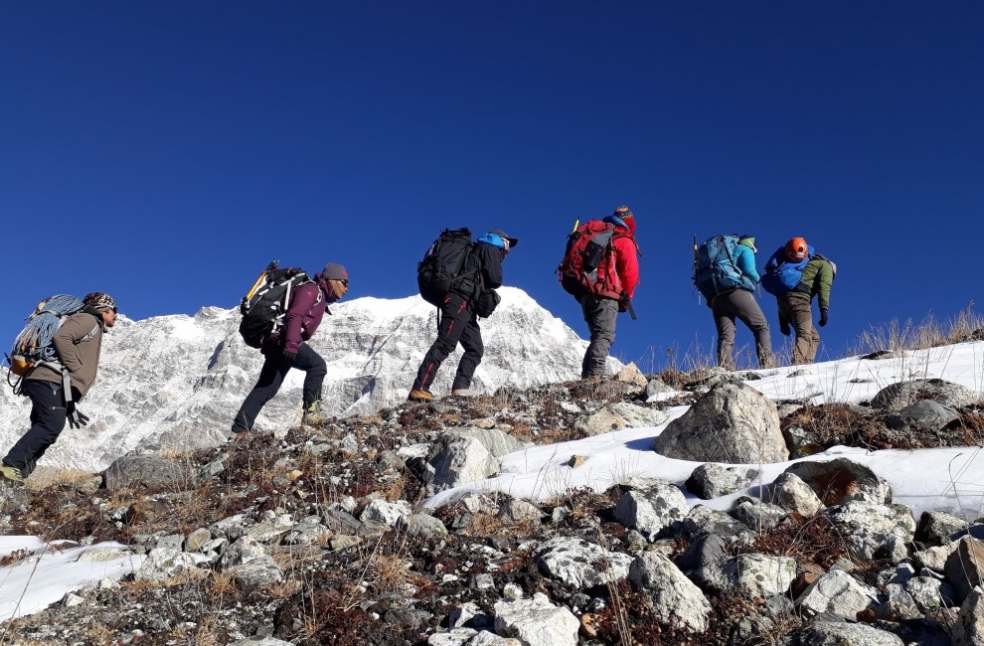
Nepal: A large and unstable ice formation has disrupted climbing operations on Mount Everest, forcing hundreds of climbers and local guides to postpone their summit attempts during the crucial spring season.
Authorities confirmed that a hazardous serac, a towering block of ice has formed along the route between Everest Base Camp and Camp I, making passage extremely risky. Officials from Nepal’s Department of Mountaineering said the unstable ice poses a serious threat of collapse, raising fears of avalanches in one of the most dangerous sections of the ascent.
The obstruction lies within the notorious Khumbu Icefall, a constantly shifting glacier filled with deep crevasses and massive ice towers. Climbers typically rely on a team of specialist route-setters, known as ‘icefall doctors,’ to secure ladders and ropes through the treacherous terrain. However, the current conditions have prevented safe movement beyond base camp.
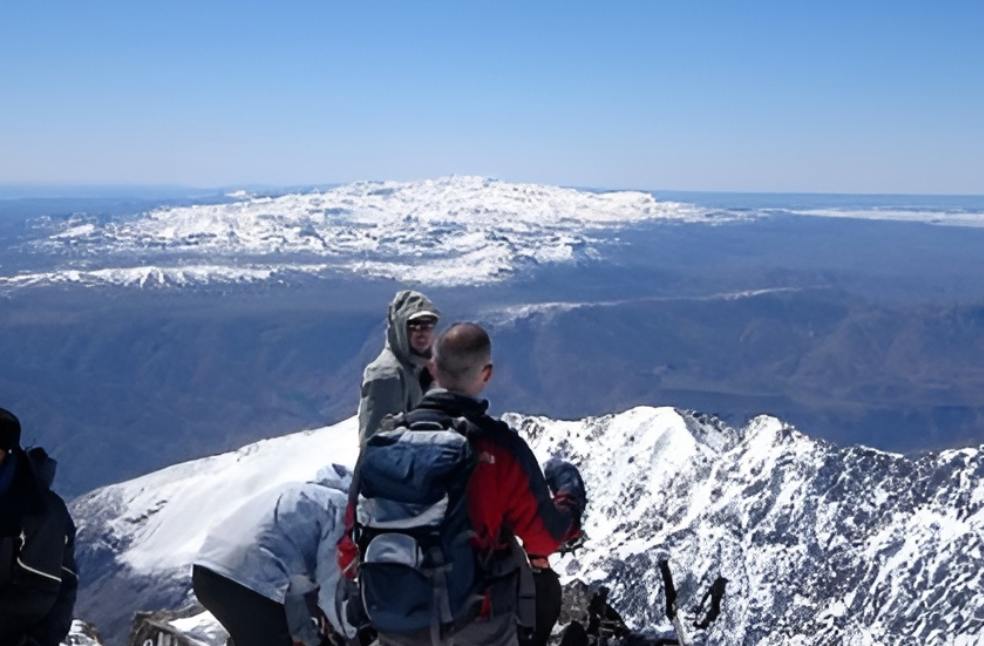
More than 400 foreign climbers have already received permits for the spring climbing season, which runs until the end of May. Many are now stranded at base camp, awaiting further assessments and hoping for a narrow weather window to proceed.
The Sagarmatha Pollution Control Committee is coordinating with expedition teams to evaluate the situation. Officials plan to conduct aerial surveys of the serac and are closely monitoring the risk of avalanche. Experts say they may have to wait for the ice formation to naturally stabilise or partially collapse before reopening the route.
The danger is not unprecedented. In 2014, a massive ice collapse in the same region triggered a deadly avalanche that killed 16 Sherpa guides, marking one of the worst tragedies in Everest’s history. Despite the setback, climbers and support teams remain on standby, hoping conditions will improve in time for summit attempts next month, when short periods of favourable weather are expected.
Standing at 8,849 metres, Everest continues to attract climbers from around the world. Since the first successful ascent by Edmund Hillary and Tenzing Norgay in 1953, thousands have attempted to conquer the world’s highest peak, often facing unpredictable and life-threatening conditions along the way.
TRENDING | Pope Leo calls for justice reform during Equatorial Guinea visit
