


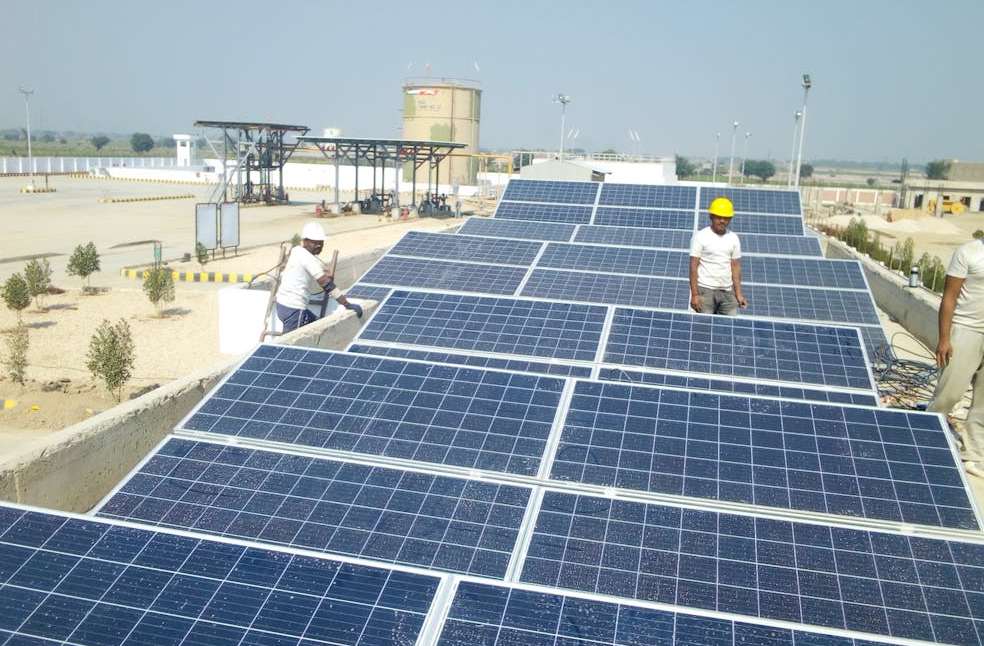
New Delhi: India is examining petitions from industry stakeholders regarding a mandate to use domestically produced solar cells in renewable energy projects from June. The review has been confirmed by the clean energy ministry as concerns rise across the sector.
The policy requires developers to use locally manufactured solar cells, part of a broader strategy to strengthen domestic supply chains and reduce reliance on imports. However, both manufacturers and project developers have raised objections.
Industry groups have warned that the new rule could lead to a shortage of solar cells, as domestic production capacity remains limited. India currently produces around 25.6 gigawatts of solar cells annually, while demand is estimated at nearly 50 gigawatts.
The gap has traditionally been filled by imports, with China supplying more than 90 percent of India’s solar cells needs. The shift to local sourcing has therefore created concerns about supply disruptions.
Manufacturers have argued that enforcing the rule immediately could increase the cost of solar modules and delay project execution. Developers have also highlighted risks to ongoing and planned renewable energy projects.
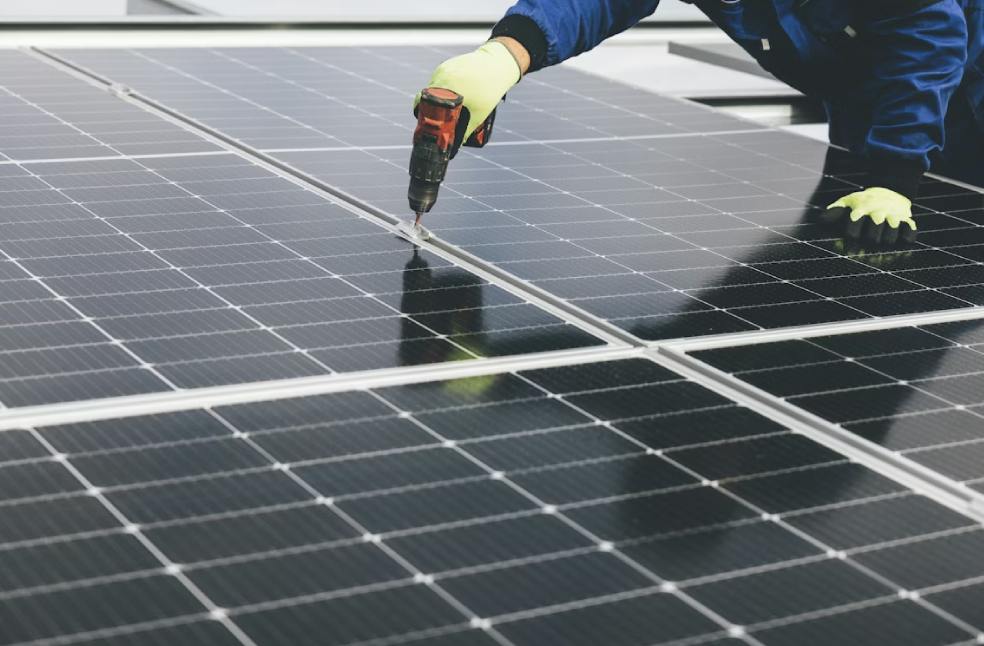
The ministry has stated that petitions from both sides are under review, although no timeline has been provided for a decision. The outcome could have a significant impact on the pace of India’s clean energy expansion.
The push for domestic solar cells is part of India’s long-term plan to achieve net zero emissions by 2070. Strengthening local manufacturing is seen as key to building a resilient energy ecosystem.
However, experts have indicated that balancing domestic production goals with current demand will be critical to avoid disruptions in the sector.
The decision on the petitions is expected to shape the future of India’s renewable energy market, particularly as the country continues to scale up solar power capacity.
The coming weeks will be crucial in determining whether the policy is adjusted or implemented as planned, with implications for both industry growth and energy targets.
POPULAR | Oil prices dip as Iran ceasefire extension calms markets
