


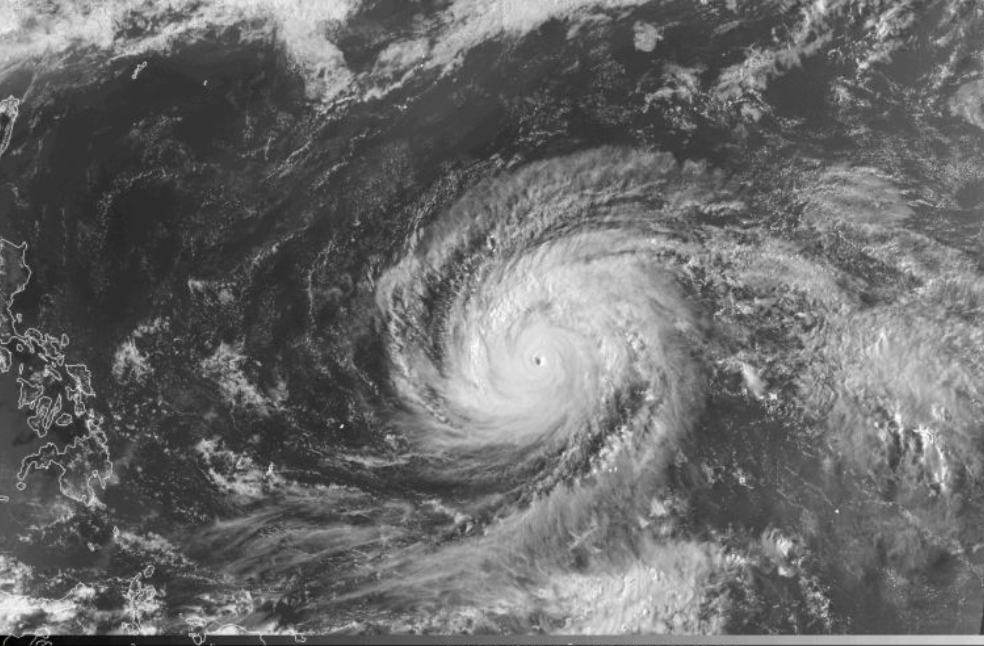
Saipan: The Super Typhoon Sinlaku has moved closer to the Northern Mariana Islands, bringing the threat of destructive winds, heavy rainfall and flooding. The storm, which formed on April 9, has been recorded as the strongest weather system of 2026 so far.
According to the Joint Typhoon Warning System, the storm has reached sustained wind speeds of up to 278 kilometres per hour, placing it among the most intense tropical systems in the region. The typhoon has been located near Saipan and has continued moving slowly across the Pacific.
Authorities have warned that the Super Typhoon Sinlaku could pass through the Northern Mariana Islands as a Category 4 or Category 5 storm, remaining highly dangerous despite signs of slight weakening. Residents have been advised to prepare for strong winds, power outages and widespread flooding.
Guam Office of Civil Defence has issued warnings that even without a direct hit, Guam is expected to experience strong winds ranging between 64 and 80 kilometres per hour, with gusts reaching up to 105 kilometres per hour. The island remains under a tropical storm warning and typhoon watch.

Officials have also cautioned residents to avoid coastal areas, as hazardous sea conditions are expected to persist for several days. Emergency services have been placed on alert as the storm approaches.
Before heading towards the Mariana Islands, the Super Typhoon Sinlaku caused damage in parts of the Federated States of Micronesia, particularly in Chuuk, where infrastructure and communities have been affected.
The broader Pacific region has already been dealing with severe weather impacts. Recent storms, including Tropical Cyclone Maila, have caused flooding and landslides in nearby countries, prompting international aid efforts. The arrival of Super Typhoon Sinlaku has added to concerns about extreme weather events in the region, as authorities continue monitoring its path and intensity.
Residents across affected areas have been urged to remain indoors, follow official guidance and prepare emergency supplies as the storm system moves closer. The situation remains fluid, with further updates expected as the typhoon progresses across the Pacific.
TRENDING | Hungary election brings historic win for Peter Magyar
