


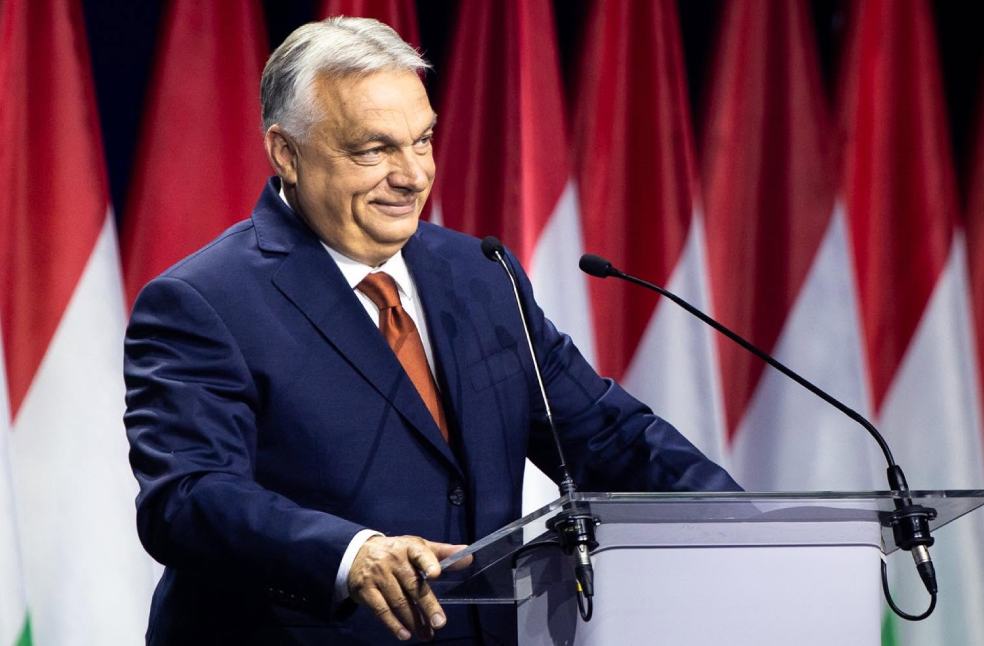
Budapest: Viktor Orban has been re-elected as leader of Hungary’s main opposition Fidesz party, despite the party’s defeat in April’s parliamentary election. According to state news agency MTI, 729 of 737 delegates voted in favour of Orban’s leadership at the party congress held on Saturday.
The former prime minister ran unopposed and secured another year at the helm of the nationalist party. The result has come months after Fidesz lost power to the centre-right and pro-Western Tisza party, led by Prime Minister Peter Magyar.
Orban’s political future had been widely questioned following the election setback. The defeat triggered criticism from some former supporters and allies, marking one of the first significant internal challenges faced by Orban since returning to power in 2010.
Addressing party members before the vote, Orban accepted responsibility for the election outcome and signalled his intention to remain active in politics. The 62-year-old stated that Fidesz had served as a successful governing party for 16 years but now needed to adapt to its new role in opposition while preparing for a possible return to government.

The April election delivered a decisive victory for the Tisza party, which secured a two-thirds parliamentary majority. The result provided the new government with enough support to reverse constitutional changes introduced during the Fidesz administration that affected institutions including the judiciary, media and universities.
Since taking office in May, Prime Minister Peter Magyar has pledged constitutional reforms and supported the resumption of Ukraine’s European Union accession process. The move followed the removal of Hungary’s previous veto under Orban’s government.
The European Union has also announced plans to release 16.4 billion euros ($19 billion (£14 billion)) from previously frozen funding allocated to Hungary. The funds had been withheld over concerns relating to democratic standards, corruption and LGBTQ-related policies.
Recent opinion polls have suggested declining support for Fidesz. A May survey by the Publicus Institute showed support for the Tisza party rising to 55 percent, while backing for Fidesz fell to 17 percent. Despite these challenges, Viktor Orban has retained control of the party as it begins its transition into opposition.
TRENDING | World Cup starts with festive opening in Mexico City
