


London: Doctors are calling for stronger measures to reduce the appeal of vaping among children and young people after a review found links between vaping and several health concerns.
The Royal College of Paediatrics and Child Health (RCPCH) examined around 81 studies on the health and social effects of vaping among children and young people.
The review, published in Archives of Disease in Childhood, found associations between vaping and respiratory problems, including wheezing and coughing, as well as nicotine dependence and later cigarette smoking.
Researchers also identified links with poor oral and dental health, disrupted sleep, mental health concerns and eye symptoms. The review also highlighted evidence suggesting potential harm to babies when mothers used vapes during pregnancy.
Vaping and respiratory problems
Prof Will Carroll, co-author of the systematic review, said that the findings showed clear links between vaping, respiratory symptoms, nicotine dependence and subsequent cigarette use. He called for action to make vaping less attractive and accessible to children.
Dr. Mike McKean, RCPCH Vice President for policy, stated that the long-term effects of vaping on young people remain uncertain because the products are relatively new, but added that the available evidence presents a growing cause for concern.
The college is urging the UK government to strengthen proposed restrictions on vaping, including limiting the flavours available to young people. It argues that restricting flavour descriptions alone may not be sufficient.
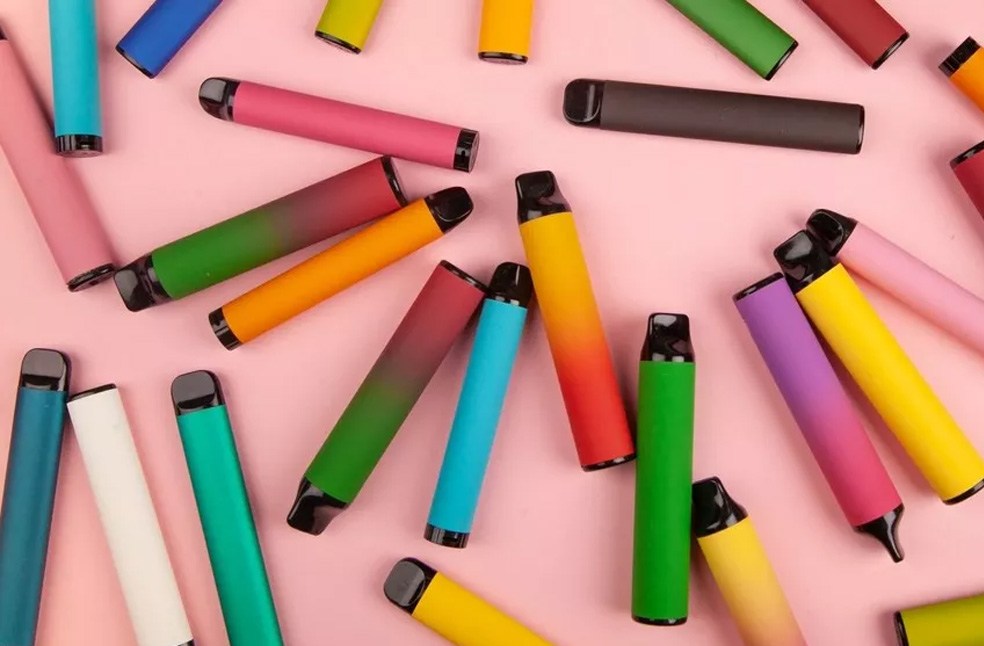
The government launched a 12-week consultation in July on proposed rules covering vape packaging, appearance and displays. The proposals include plain packaging, tighter branding restrictions and simpler flavour descriptions such as ‘apple’ or ‘cola’. Vapes could also be moved out of sight in shops, similar to tobacco products.
The measures follow the Tobacco and Vapes Act 2026, which aims to establish the UK’s first smoke-free generation and prevent retailers from selling cigarettes to people born after January 1, 2009.
While health charities stress that vaping is less harmful than smoking for existing smokers trying to quit, they also warn that vaping is not risk-free and that children who do not smoke should not vape.
The Department of Health and Social Care noted that children should never vape and noted that the government has already banned single-use vapes and legislated to restrict vaping advertising and sponsorship from next year.
The RCPCH added that stronger action is needed to prevent vaping from becoming normalised among children, while recognising that vaping can help adult smokers quit.
ALSO READ | London ULEZ linked to improved lung growth in children
