


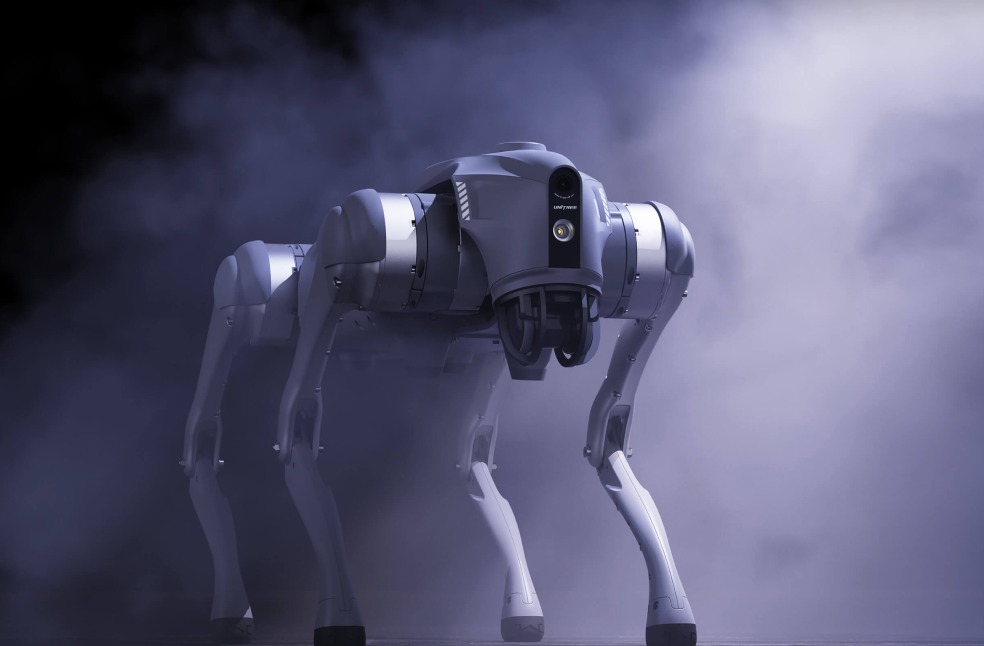
Shanghai: Unitree Robotics, one of China’s leading humanoid robot manufacturers, has made its stock market debut in Shanghai, with its shares surging more than 600 percent in early trading.
The company’s shares opened at $163 (1,100 yuan), before giving up some of the gains to trade at around $133 (900 yuan). The highly anticipated initial public offering (IPO) on Shanghai’s technology-focused Star Market marks a major milestone for China’s rapidly expanding robotics sector.
Unitree, officially known as Yushu Technology Co Ltd, was founded in 2016 and is headquartered in Hangzhou. The company develops and sells a wide range of robotic technologies, including sensors, robotic arms, quadruped robots and humanoid machines.
The company shipped more than 5,500 humanoid robots in 2025 and reported a net profit of $41.2 million (278 million yuan) for the year, making it one of the few companies in the emerging sector to have already achieved profitability.
Unitree has gained attention for producing robots with capabilities comparable to those of major US companies, while offering them at comparatively lower prices. Its humanoid robots have been commercially available since 2023, with the child-sized G1 model launched at around $13,500.
The company’s lower-cost approach has helped it become a prominent player in China’s growing robotics ecosystem. Unitree’s robot dogs, for example, start at around $2,700, significantly below the price of some competing four-legged robots developed by US companies.
China’s robotics ambitions
The listing comes as China and the United States compete for leadership in robotics and artificial intelligence technologies. Beijing has identified robotics as a strategic industry and has provided significant support to manufacturers and research institutions. Government investment has contributed to the rapid expansion of China’s robotics sector, with the number of robotics companies increasing sharply in recent years.
The technology is also being viewed as a potential response to China’s ageing population and future labour shortages. Humanoid robots could eventually support industries ranging from manufacturing and logistics to healthcare and domestic services.
Unitree has further raised its profile through high-profile public demonstrations. Earlier this year, its G1 humanoid robots attracted global attention after performing martial arts movements during China’s Spring Festival Gala.
The company’s robots are also participating in the 2026 World Humanoid Robot Games in Beijing, where machines are competing in activities including running, football, object handling and library book sorting.
Growing competition
Unitree faces competition from both Chinese and US robotics companies. Tesla is developing its Optimus humanoid robot, while other major technology and manufacturing companies are investing heavily in machines designed to perform human-like tasks.
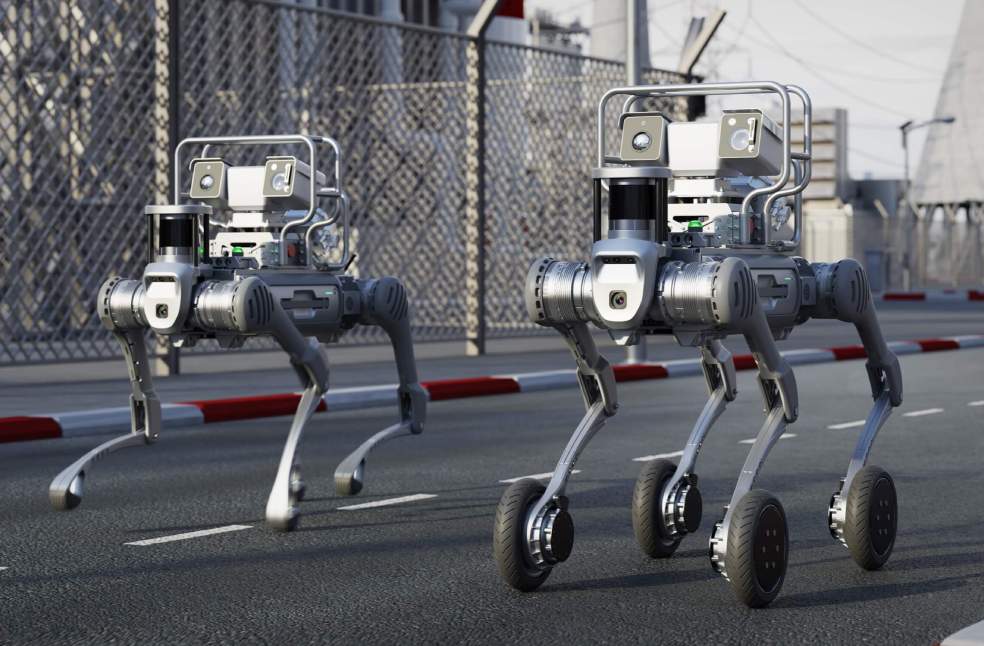
Chinese companies including UBTech Robotics, Leju Robotics and AgiBot are also expanding their presence in the sector. UBTech listed on the Hong Kong stock market in 2023 and unveiled new humanoid robots earlier this year.
Unitree’s Shanghai listing is expected to serve as an important indicator of investor confidence in humanoid robotics. Analysts believe its strong debut could encourage other robotics companies to pursue public listings and attract additional investment.
However, experts caution that the industry still faces significant challenges. Humanoid robots remain expensive and technically complex, while developers must improve battery life, reliability, safety and privacy protections before the machines can be widely adopted in homes.
For now, factories, warehouses, hospitals and other commercial environments are expected to remain the primary markets for humanoid robots.
China-US technology rivalry
The Unitree IPO also comes amid growing technology tensions between China and the United States. Washington has introduced restrictions on several Chinese technology sectors and has raised national security and manufacturing concerns over Chinese-made robotics products. Beijing has rejected such measures, accusing the US of politicising trade and technology.
The growing influence of Chinese robotics manufacturers highlights the broader challenge facing US companies as China strengthens its position across global manufacturing and advanced technology supply chains.
With Unitree’s shares soaring on their first day of trading, the company’s market debut could become an important milestone for both China’s robotics ambitions and the global race to develop commercially viable humanoid machines.
POPULAR | Deadly school shooting rocks Philippine city of Zamboanga
