


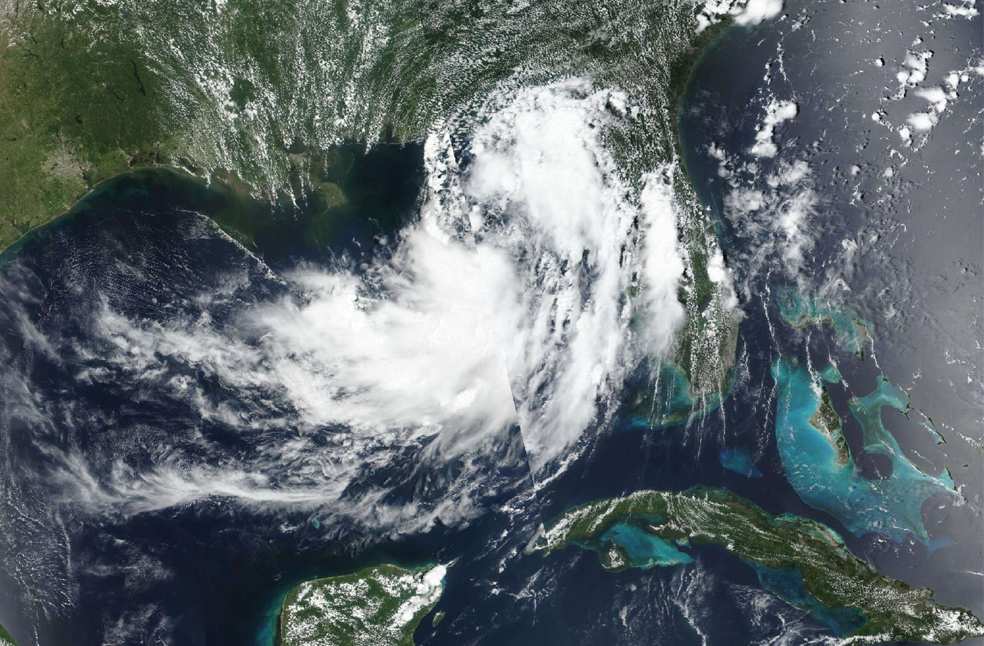
Miami: Tropical Storm Bertha is expected to bring heavy rainfall, dangerous flooding, and a potentially life-threatening storm surge to parts of the US Gulf Coast, according to the National Hurricane Center (NHC).
As of July 2010 pmLouisiana Gulf Coast, the storm was located about 105 miles (165km) south of Panama City, Florida, with maximum sustained winds of 40mph (65km/h). The Miami-based NHC said that Bertha is forecast to move near or along the northern Gulf Coast over the coming days.
Forecasters warned that the storm could bring flooding, storm surges and severe weather to Alabama, Florida, Louisiana and Mississippi as it gradually moves westward toward Texas. Some areas could receive up to 8 inches (20cm) of rainfall by July 24, while isolated tornadoes are also possible across parts of Florida.
7/20 10pm CDT Key Messages for Tropical Storm #Bertha:
A Tropical Storm Warning is now in effect for portions of the Alabama, Mississippi, and Lousiana gulf coast.
Latest advisory at https://t.co/jigeOJBJ7U pic.twitter.com/TmlCWpfZMQ
— National Hurricane Center (@NHC_Atlantic) July 21, 2026
In its latest advisory issued July 20 evening, the NHC noted that Bertha could strengthen over the next few days before potentially making landfall near New Orleans, Louisiana, by Wednesday. The storm was moving northwest at around 3mph, with tropical storm-force winds extending up to 70 miles from its centre.
A tropical storm watch has been issued from the Ochlockonee River in Florida westward to the Jefferson/Plaquemines Parish border in Louisiana. Officials noted that storm surges of 1 to 4 feet are expected along sections of the Louisiana and Mississippi coastlines, while flash flooding remains a concern, particularly in urban areas.
The approaching storm comes as the southern United States continues to experience intense summer heat. In New Orleans, authorities have begun distributing sandbags to help reduce flood risks and have urged residents to clear local storm drains to improve water drainage.
Bertha is expected to weaken into a tropical depression by Jyly 23, and could dissipate near the Texas coast by the end of the week. The system is only the second named storm of the Atlantic hurricane season, following Tropical Storm Arthur, which caused flooding in parts of the United States last month.
ALSO READ | WTA sets new eligibility rules with one-time gene test
