


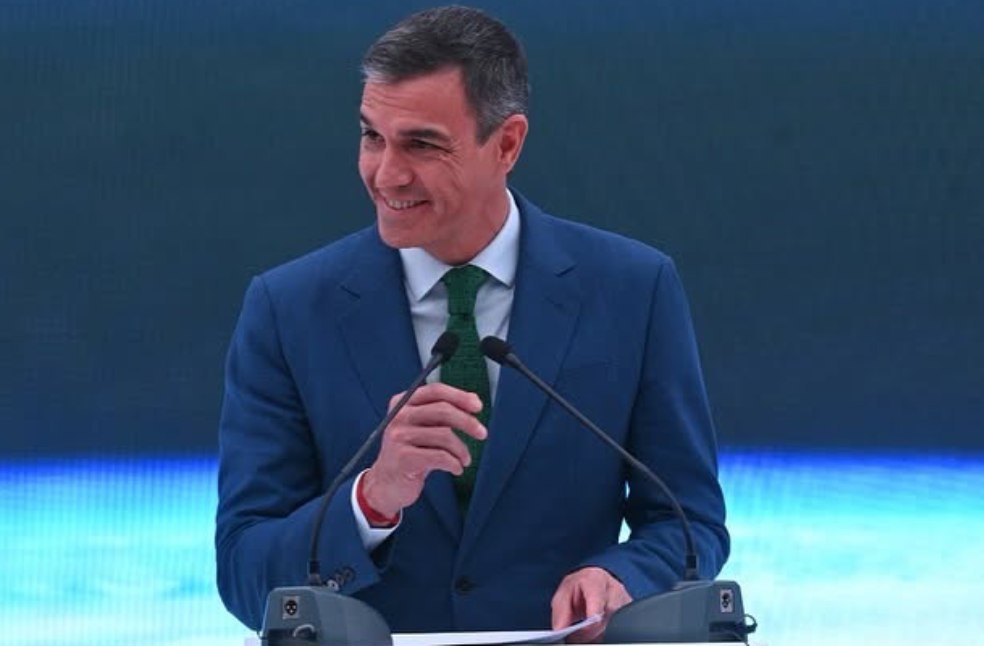
Mandrid: Spanish Prime Minister Pedro Sanchez has called an early general election for November 29, seeking a renewed mandate after his minority government suffered a major parliamentary setback over key housing measures.
Sanchez announced the election, stating that Spain needs to renew public support for his government and secure a stronger progressive majority in Parliament. The announcement follows the rejection of two government housing decrees, as political divisions deepened with growing public protests over housing affordability and evictions.
Sanchez also acknowledged that his government had made mistakes and had not fulfilled some of its campaign commitments, while noting that part of its social support base was dissatisfied.
The housing measures had sought to provide greater protection for vulnerable tenants and address rising housing costs. Their defeat highlighted the difficulties faced by Sanchez’s minority administration, which relies on support from several parties to pass legislation. The parliamentary rejection came with nationwide protests demanding stronger action on housing.
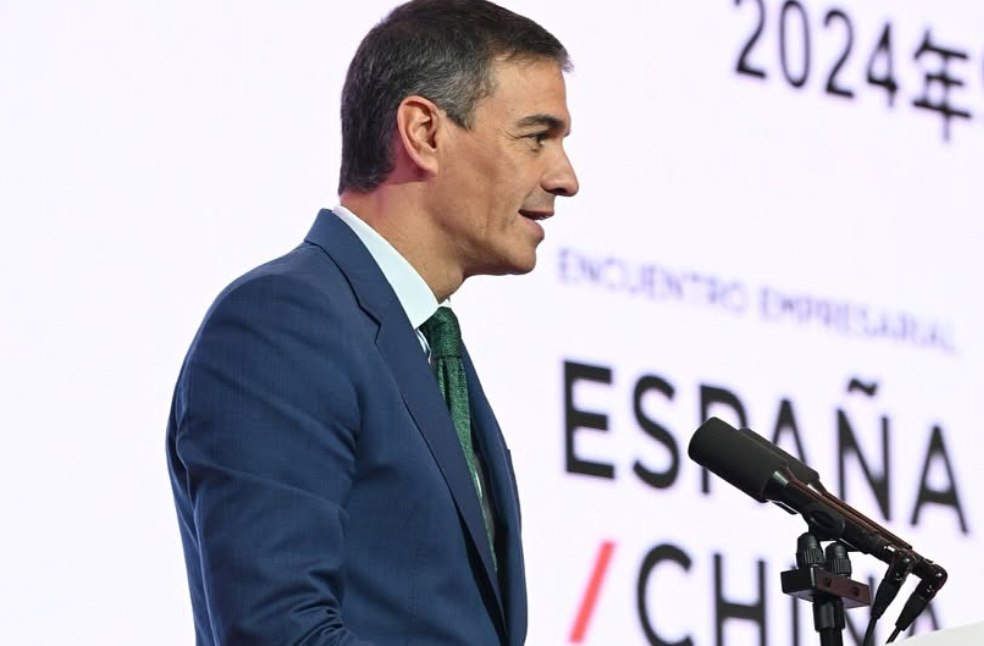
The early election also comes as Sanchez faces wider political pressure, including corruption allegations involving members of his Socialist Party and persistent divisions among parliamentary allies. His government has struggled to advance legislation and has not secured approval for a national budget since 2023, despite Spain maintaining strong economic growth compared with several other developed economies.
Sanchez has remained a prominent figure internationally through policies and positions on issues including Palestinian statehood, immigration and multilateral cooperation. His government has also opposed some US-led demands for a major increase in defence spending.
The upcoming election presents a significant political test for Sanchez and the Socialist Party. Recent opinion polling has shown the conservative People’s Party performing strongly, while the possibility of cooperation with Vox has added to the uncertainty surrounding the election. However, Sanchez has previously demonstrated an ability to build parliamentary alliances despite not securing a majority on his own.
Sanchez first became prime minister in 2018 after successfully ousting centre-right leader Mariano Rajoy following a corruption scandal involving Rajoy’s People’s Party. He secured another term in 2023 after negotiating support from a broad group of parties, including Catalan separatist lawmakers.
The November 29 election will now determine the composition of Spain’s next Parliament and the future of Sanchez’s government.
MOST READ | Trump launches ‘Super Intelligence Force’ to lead AI strategy
