


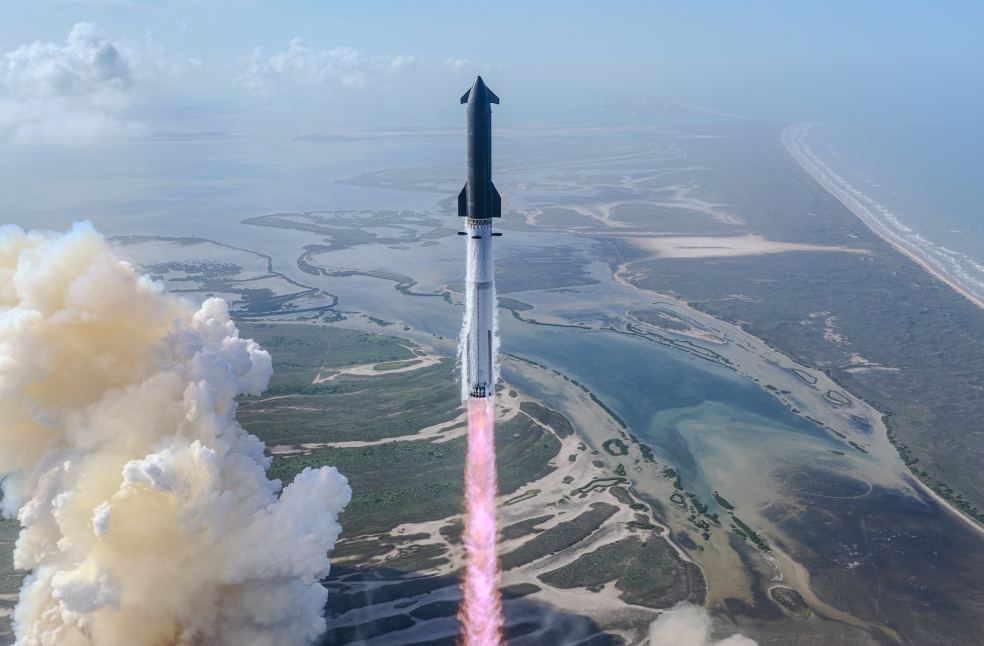
Texas: SpaceX has launched the latest version of its Starship rocket in a major test flight that marked another milestone for the company’s ambitious space exploration programme.
The uncrewed Starship V3 lifted off from Texas after an earlier launch attempt was delayed due to a technical issue involving the launch tower. Standing around 124 metres tall, Starship V3 is currently the largest and most powerful rocket system ever built.
The mission successfully reached space and deployed 20 dummy satellites before beginning its planned return journey toward Earth. After re-entry, the rocket splashed down in the Indian Ocean, where it exploded as intended at the end of the test mission.
Splashdown confirmed! Congratulations to the entire SpaceX team on the twelfth flight test of Starship! pic.twitter.com/XXBAtryPpL
— SpaceX (@SpaceX) May 22, 2026
Elon Musk praised the mission and congratulated the SpaceX team following the largely successful launch. Although engineers reported engine failures in both stages of the rocket during flight, the mission still achieved most of its major objectives.
The test is considered an important step for future space missions involving both NASA and SpaceX. NASA plans to use Starship technology for upcoming Moon missions under its Artemis programme and potentially future human missions to Mars.
NASA Administrator Jared Isaacman described the launch as another step closer toward long-term deep space exploration goals. The Starship V3 launch also comes ahead of SpaceX’s expected stock market debut, which could become one of the biggest public offerings in financial history.
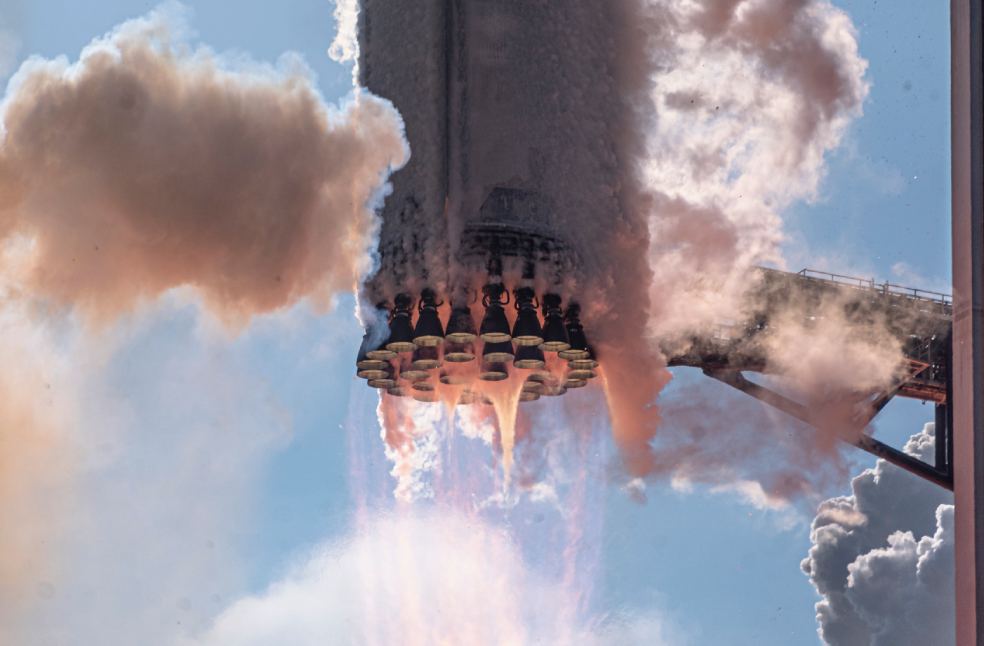
Apart from rockets, SpaceX also operates the Starlink satellite internet network and has expanded into artificial intelligence ventures through Musk’s company xAI.
The success of the latest Starship mission is expected to strengthen investor confidence as SpaceX continues developing reusable rocket systems designed for commercial, scientific and interplanetary missions.
SpaceX aims to make Starship fully reusable in the coming years, a development that could significantly reduce the cost of space travel and support long-term ambitions for human settlements on the Moon and Mars.
TRENDING | Trump announces 5,000 more US troops for Poland
