


Boulder, Colorado: Scientists in the United States have successfully harnessed the glowing properties of a marine algae species to create light-emitting living structures, opening new possibilities for sustainable lighting and environmental sensing technologies.
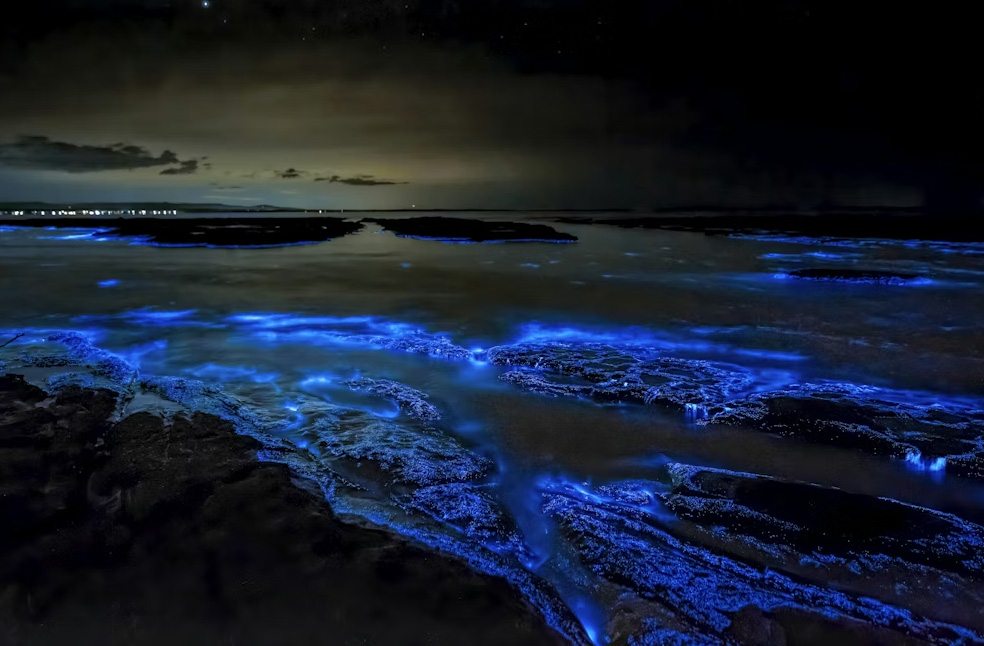
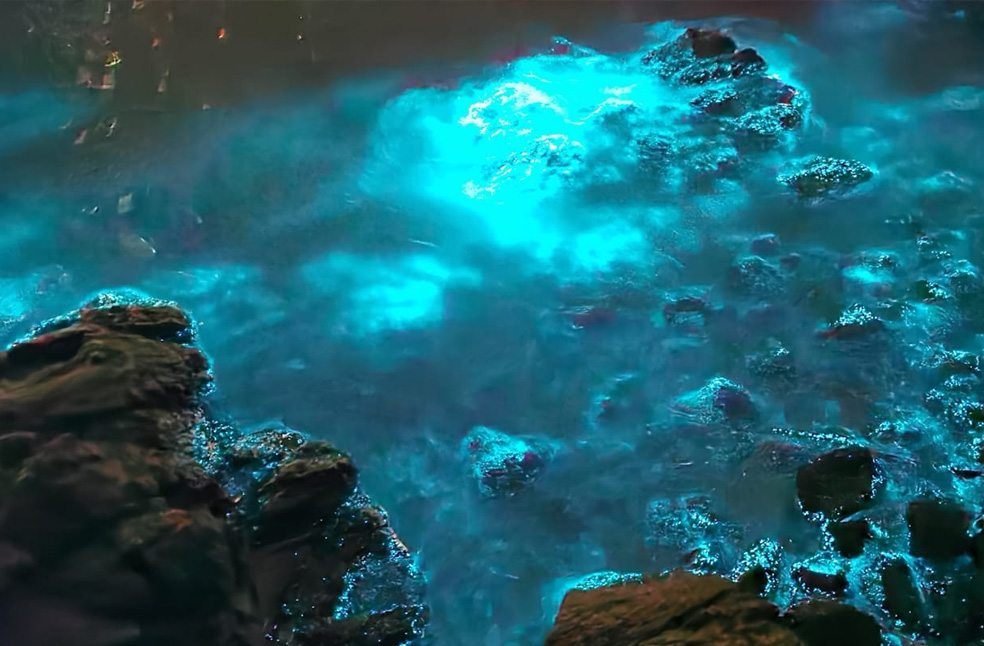
The breakthrough centres on Pyrocystis lunula, a bioluminescent single-celled algae known for producing flashes of blue light. In nature, massive blooms of the organism can create shimmering blue displays in ocean waves along coastlines.
The research was led by Giulia Brachi and her team at the University of Colorado Boulder. The scientists initially attempted to trigger the algae’s glow by slowly applying mechanical pressure in a darkened laboratory, hoping to mimic the stress caused by crashing waves. However, the algae showed little response to the technique.
While other studies had demonstrated some success using mechanical stimulation, the researchers found the process difficult to control consistently. They instead turned to findings from earlier research showing that acidic conditions could trigger light production by lowering the pH level inside the algae’s light-producing cell structures.
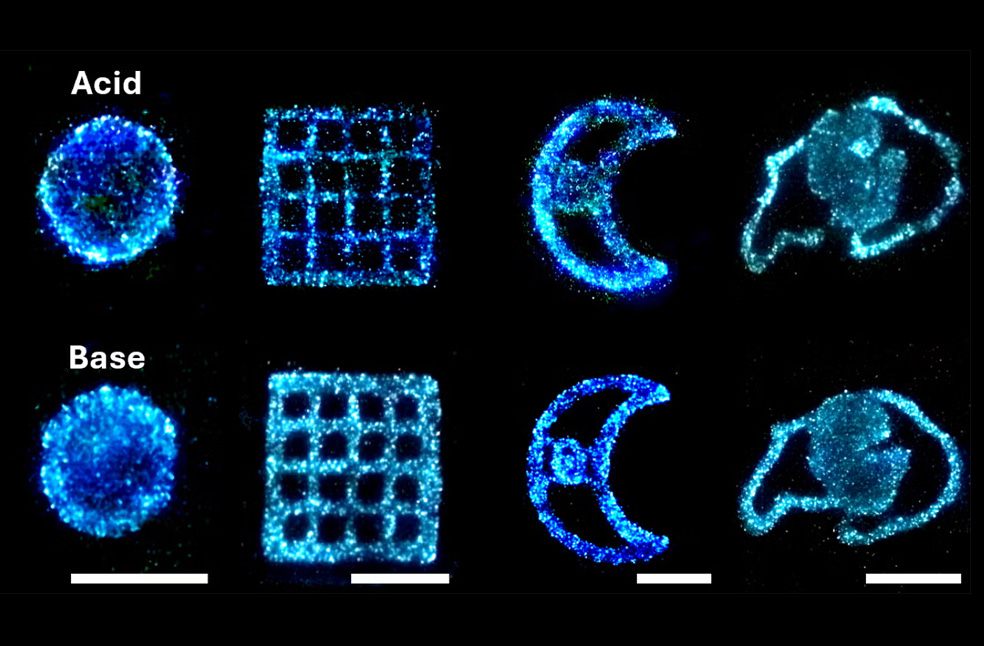
Brachi added a mildly acidic solution to a laboratory flask containing the algae and was surprised by the immediate reaction. At first, she believed the glow might be reflected light from a nearby laptop screen, but the algae had in fact begun glowing brightly, creating an effect she described as resembling ‘living glitter.’
According to the study published in Science Advances, the team managed to sustain the algae’s glow for up to 25 minutes at a time.
The researchers then encapsulated the algae in a hydrogel, a water-based jelly-like material, allowing them to 3D-print glowing shapes. Among the printed creations was a crescent moon design inspired by the algae’s appearance under a microscope. All of the structures emitted a vivid cyan-blue light.
Bioluminescent algae naturally contain luciferase, an enzyme that reacts with a compound known as luciferin to generate light. Wil Srubar explained that the organisms are largely self-sustaining as long as they have access to seawater.
Researchers suggested the technology could eventually be used in products such as glow sticks, illuminated bracelets for events, or biosensors capable of glowing when harmful toxins are detected in the environment.
Commenting on the study, Chris Howe, who was not involved in the research, described the project as an important early step. Howe noted that while scaling the technology from laboratory conditions to practical real-world applications would be challenging, bioluminescence could help reduce waste generated by disposable battery-powered lighting devices.
However, some experts raised concerns about the long-term survival of the algae in acidic conditions. Anthony Campbell pointed out that the pH level used in the experiment was about as acidic as a tomato, which can place significant stress on the organisms.
Despite decades of research into bioluminescent organisms, scientists still do not fully understand why algae such as Pyrocystis lunula evolved the ability to emit light. One leading theory suggests the glowing displays may serve as a defence mechanism, potentially deterring predators that might otherwise consume the algae.
ALSO READ | US FDA blocks key studies supporting vaccine safety claims
