


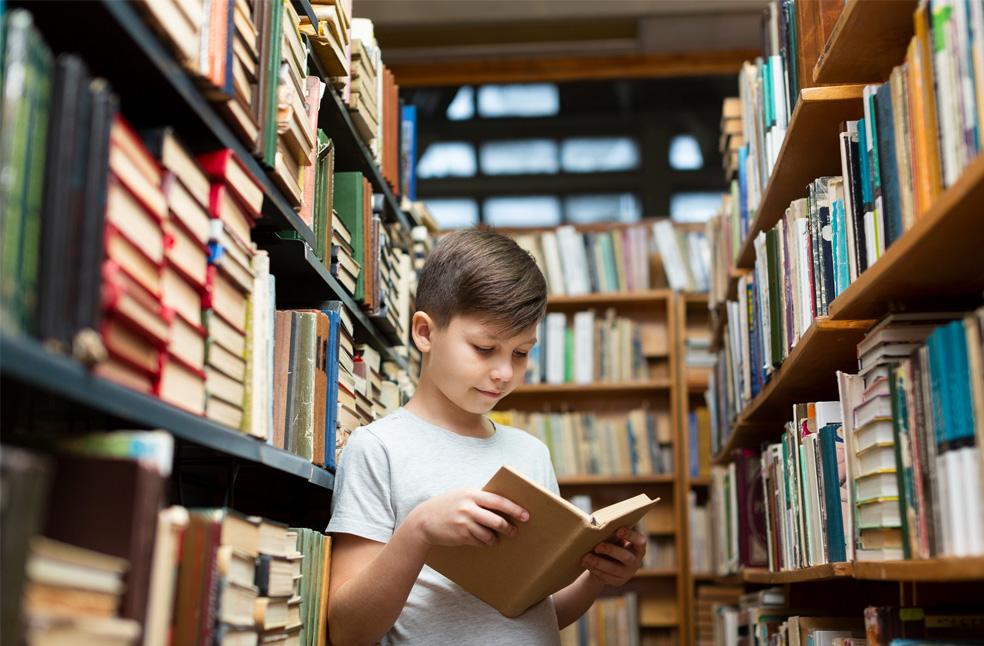
London: Teachers have called for an end to censorship in school libraries, with their union warning that such actions ‘should ring alarm bells for all of us.’
The concerns were raised during the annual conference of the National Education Union in Brighton, following reports that a school in Salford had removed dozens of classic titles from its library shelves.
According to Index on Censorship, more than 130 books were targeted at Lowry Academy. These included well-known works such as 1984 by George Orwell and the Twilight novels by Stephenie Meyer. The organisation also reported that the school librarian had been threatened with disciplinary action and later resigned.
In response, the school denied banning books in its libraries, stating that an audit was conducted after concerns about age and content suitability. It said most books were reorganised into age-appropriate categories and returned to libraries shelves, while a small number were removed entirely due to inappropriate content.
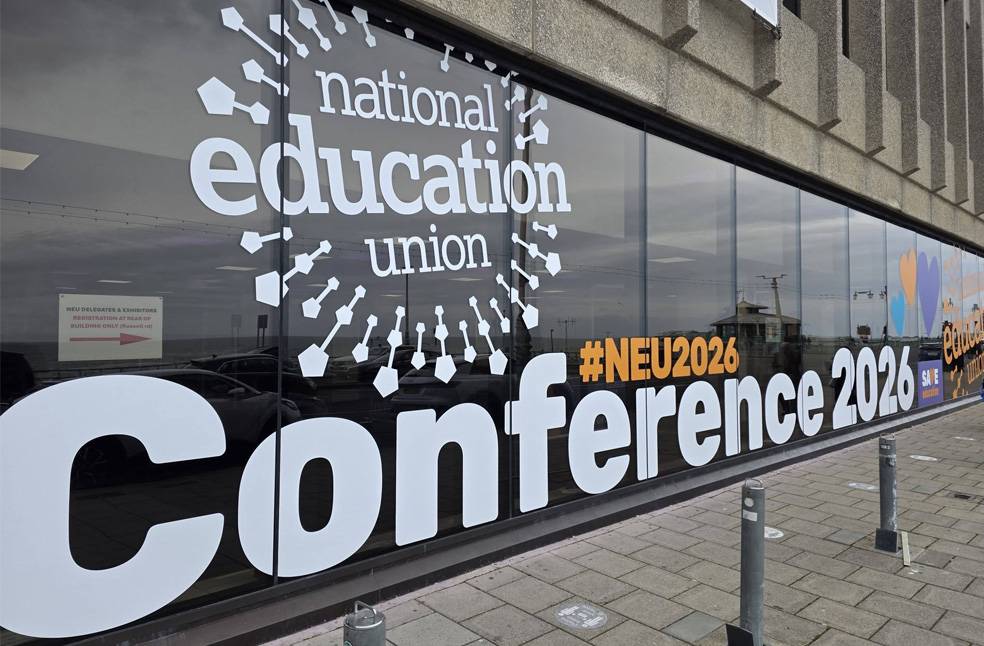
The issue has sparked broader concern about censorship in school libraries, with several delegates at the conference sharing similar experiences of books being challenged or removed. Delegates voted in favour of a motion calling on the union’s executive to oppose censorship in libraries.
Speaking in support of the motion, teacher Laura Butterworth said librarians in her district had been asked to remove art books from libraries because they contained historical depictions of nudity. Matthew Hobbs, a delegate from Luton, also highlighted attempts to remove books by LGBT+ authors from school libraries, noting that he had resisted such efforts.
Kristabelle Williams, who proposed the motion, stressed that schools must defend their libraries collections to counter the rise of far-right influence. Williams warned of increasing ‘challenges and hate campaigns’ targeting books in libraries.
NEU General Secretary Daniel Kebede criticised censorship attempts to books in libraries based on misinformation and fearmongering, saying such moves should concern everyone. Kebede pointed to examples in the United States and Hungary, where book bans in school libraries have largely targeted works by women, Black authors, and LGBT+ writers, stressing that the UK must not follow a similar path.
ALSO READ | Crowds gather for historic Artemis II moon mission launch
