


Close Menu

    Get the latest news around the globe

    Editor's Pick

    Scientists warn of rising air pollution from space launches

    DEC launches appeal for Myanmar earthquake victims as crisis deepens

    Paris region battles major wildfire as heatwave intensifies

    Facebook X (Twitter) Instagram LinkedIn
    Facebook X (Twitter) LinkedIn Instagram
    Britain HeraldBritain Herald
    Subscribe
    • Home
    • World Roundup
    • Business
    • Tech World
    • Entertainment & Events
    • Curious
    • More…
      • Spotlight
      • Knowledge
      • Lifestyle
      • Awareness
      • Women World
      • Sports
      • Travel
      • Notable
      • Contact Us
    Britain HeraldBritain Herald
    Home » Romania shuts down nuclear plant as Danube water levels plunge
    World Roundup

    Romania shuts down nuclear plant as Danube water levels plunge

    Extreme heat and record-low Danube water levels disrupt nuclear power generation, raising concerns over Europe’s energy and water security.
    Rini S AkkaraBy Rini S AkkaraAugust 14, 2026
    Facebook Twitter LinkedIn WhatsApp
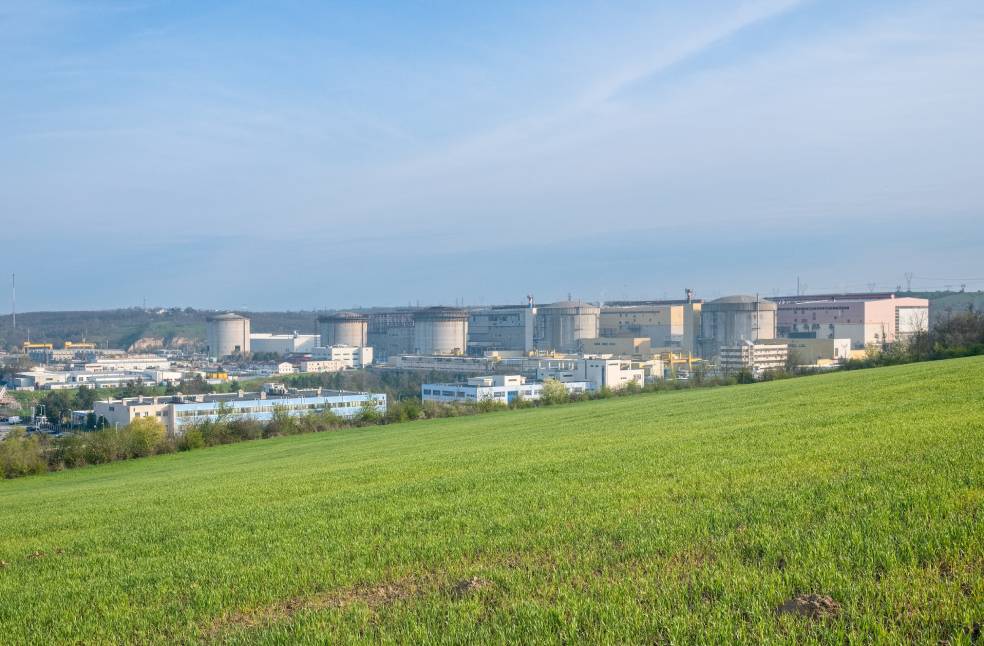
    Cernavodă nuclear power plant
    Image Via: Wikipedia | Cropped by BH

    Bucharest: Romania has shut down its only nuclear power station after extremely low water levels in the Danube left the plant without enough water for cooling, amid prolonged hot weather across Europe.

    The Cernavodă nuclear power plant, which operates two 706-megawatt reactors and supplies around 20 percent of Romania’s electricity, is not expected to resume operations for at least 10 days, according to plant director Romeo Urjan.

    The second reactor was disconnected from Romania’s electricity grid shortly before midday. The first reactor had already been taken offline in July. Cernavodă relies on water from the Danube for cooling, but the river has fallen to its lowest levels in decades in several parts of Europe. Romanian authorities earlier attempted to increase water flow to the plant by sinking barges loaded with rocks into the river.

    The shutdown is only the second time Cernavodă has been taken offline since its launch, with the previous shutdown occurring in 2003. Romania is expected to cover the resulting electricity shortfall through solar and wind generation during daylight hours, while coal- and gas-fired power plants and electricity imports may be needed during the evenings. The country’s hydropower generation has also been affected by the low water levels.
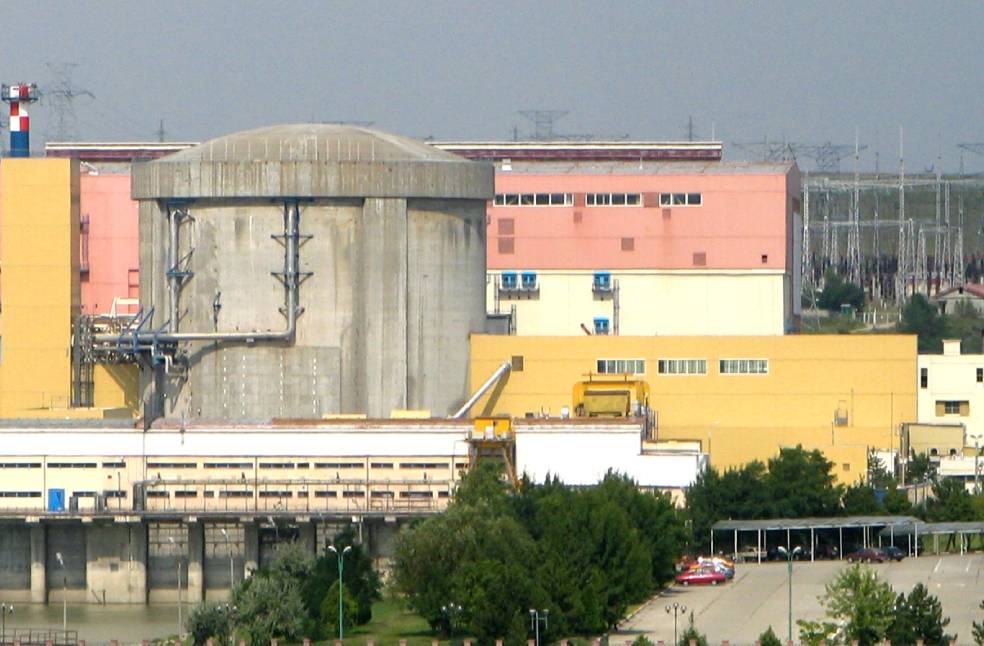
    Cernavodă nuclear plant
    Image Via: Wikipedia | Cropped by BH

    The situation has raised concerns in neighbouring Hungary, where the Paks nuclear power plant also depends on the Danube for cooling. Hungary’s four-reactor Soviet-era facility has so far remained operational, although officials have warned that continued falls in river levels could pose challenges.

    Europe’s prolonged heatwave has placed growing pressure on rivers, energy systems, agriculture and infrastructure. The continent is warming at around twice the global average, according to the Copernicus Climate Change Service, contributing to more frequent heatwaves, drought and wildfires. The Rhine, another major European waterway, is also experiencing low water levels that are disrupting shipping.

    Several European countries are facing wider consequences from the extreme weather. In France, around 80 departments were under heatwave alerts, with temperatures expected to exceed 40°C in some areas. Greece has also seen major wildfires, prompting the evacuation of more than 200 people from resorts in northern Halkidiki.

    Spain recorded temperatures of up to 37°C in central areas, while the UK experienced its hottest day of the year so far, with a provisional temperature of 38.1°C recorded at London’s Kew Gardens. The extreme heat has also caused significant economic damage. Italy’s agricultural trade association Coldiretti estimated that climate-related losses from hail, drought and wildfires could exceed $3.46 billion (€3 billion). France’s environment minister has warned that recent heatwaves could result in $11.53 billion (€10 billion) to $17.3 billion (€15 billion) in direct and indirect costs.

    With water levels continuing to fall and extreme temperatures affecting large parts of Europe, the Cernavodă shutdown highlights the growing vulnerability of energy infrastructure to prolonged heat and drought.

    MOST READ | Zambia Presidential race begins with Hichilema seeking 2nd term

    STAR OF SECTOR 2025
    Cernavoda Nuclear Power Plant Danube Drought Danube River Water Levels European Energy Crisis Extreme Heat Europe Nuclear Energy Europe Romania Electricity Supply Romania Nuclear Plant Romania Power Crisis
    Share. Facebook Twitter LinkedIn WhatsApp
    Rini S Akkara
    Rini S Akkara
    • X (Twitter)
    • LinkedIn

    Rini S Akkara, a B.Tech graduate, has been passionately involved in content creation since 2018 and is presently working as a desk reporter at Britain Herald. Readers are encouraged to verify facts independently and seek professional advice before making any decisions based on this content.

    Newly Updated

    Thousands hit by delays as Kenya airport strike enters second day

    August 31, 2026

    Studies explore link between inflammation and mental health

    August 31, 2026

    Russia, China leaders gather for SCO summit in Kyrgyzstan

    August 31, 2026
    STAR OF SECTOR 2025

    Business

    Europe’s gas storage drops to lowest level in 13 years

    Business August 29, 2026

    London: EU gas storage levels have fallen to their lowest point in 13 years ahead…

    Holiday Warning: 10 ways to spot misleading hotel reviews

    August 28, 2026

    Global tech firms urge action against rising AI threats

    August 28, 2026

    Nvidia revenue doubles to $96 billion as AI demand surges

    August 27, 2026
    Stay In Touch
    • Facebook
    • Twitter
    • LinkedIn
    • Instagram

    Curious

    Queensland woman gives birth to twins with different biological parents

    August 27, 2026

    Giant Python successfully treated with human cancer therapy

    August 21, 2026

    Forgotten history of dining tables and how we eat

    August 16, 2026

    Earth to witness billions receiving sunlight together

    July 8, 2026

    Get the latest news around the globe

    Knowledge

    Why migration is transforming cities around the world

    Knowledge August 19, 2026

    Migration is transforming modern cities by changing their populations, economies, cultures and urban landscapes. People…

    Forgotten history of dining tables and how we eat

    August 16, 2026

    30 Days of Tai Chi: A new way to move and slow down

    August 15, 2026

    10,000-steps rule: Where did that number actually come from?

    August 2, 2026
    18-EA-387-TryEngineeringSummerInst_BannerAd_300x250_Robot
    About Us
    About Us

    Britain Herald is a UK rooted, digital first media brand focused on business, diaspora, leadership, innovation and international affairs. Built for the emerging authority economy, it values credible expertise, trusted institutions and recognised voices.

    Operated and Managed by WellMade Network, the portal is a sister concern of GCC Business News and Emirati Times.

    Email Us: News@BritainHerald.com
    Whatsapp: +971 5060 12456

    We Have

    Thousands hit by delays as Kenya airport strike enters second day

    August 31, 2026

    Studies explore link between inflammation and mental health

    August 31, 2026

    Russia, China leaders gather for SCO summit in Kyrgyzstan

    August 31, 2026

    Record coral bleaching raises alarm over ocean health

    August 31, 2026

    Google renames Lake Ontario as Lake America for US users

    August 31, 2026
    Facebook X (Twitter) LinkedIn Instagram
    • Home
    • Business
    • Tech World
    • Awareness
    • Contact Us
    Privacy & Cookies Policy | Terms & Conditions
    © 2002 BritainHerald.com, An Initiative by WellMade Network

    Type above and press Enter to search. Press Esc to cancel.