


Close Menu

    Get the latest news around the globe

    Editor's Pick

    SailLink expands wind-powered English Channel crossings

    Ethiopian woman gives birth to rare quintuplets after 12-year wait

    Trump orders Pentagon to buy coal-fired power in industry boost

    Facebook X (Twitter) Instagram
    Facebook X (Twitter) LinkedIn Instagram
    Britain HeraldBritain Herald
    Subscribe
    • Home
    • World Roundup
    • Business
    • Tech World
    • Entertainment & Events
    • Curious
    • More…
      • Spotlight
      • Knowledge
      • Lifestyle
      • Awareness
      • Women World
      • Sports
      • Travel
      • Notable
      • Contact Us
    Britain HeraldBritain Herald
    Home » Recycled food contact plastics are vectors for spreading dangerous toxins; Study
    Home News

    Recycled food contact plastics are vectors for spreading dangerous toxins; Study

    This research comes at a time when the global plastic waste crisis is under scrutiny, with the petrochemical industry, certain governments, and environmental groups advocating for improvements in plastic recyclability.
    News DeskBy News DeskMay 27, 2023
    Facebook Twitter LinkedIn WhatsApp
    Food in plastic Bags
    Image: Julia M Cameron @ Pexels

    Switzerland: In a research study, it has been discovered that recycled and reused food contact plastics serve as carriers for a multitude of hazardous toxins. These plastics accumulate and release dangerous substances such as styrene, benzene, bisphenol, heavy metals, formaldehyde, and phthalates. The study, which analyzed numerous scientific publications on plastic and recycled plastic, aimed to provide a comprehensive review of food contact chemicals in items like food packaging, utensils, plates, and more, shedding light on how these substances contaminate food.

    This research comes at a time when the global plastic waste crisis is under scrutiny, with the petrochemical industry, certain governments, and environmental groups advocating for improvements in plastic recyclability. While some types of plastic can be recycled, the majority cannot. The study highlights the risks associated with improving plastic recyclability, revealing the presence of 853 chemicals used in PET recycled plastic, many of which have only been identified in the past two years.
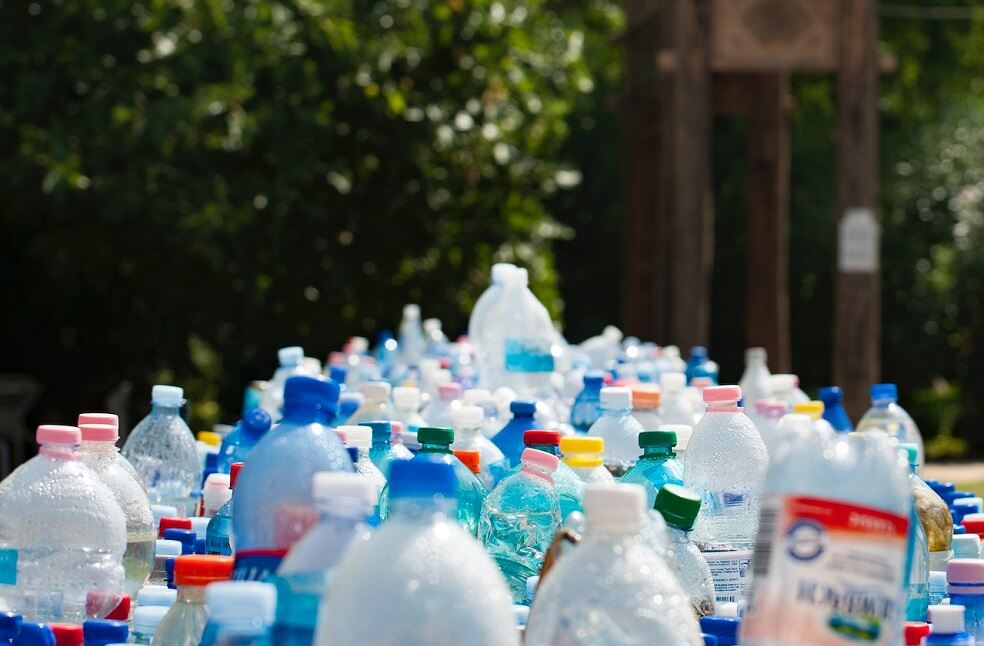
    Plastic Pollution Report
    Rep. Image: mali maeder @ Pexels

    Among the most commonly detected chemicals in recycled plastic were antimony and acetaldehyde, while potent toxins like 2,4-DTBP, ethylene glycol, lead, terephthalic acid, bisphenol, and cyclic PET oligomers were also frequently found.

    Furthermore, the composition of plastics remains somewhat of a mystery. The United States lacks significant regulations regarding the materials used in plastics, and the European Union only mandates light testing to determine chemical content. The data suggests that chemicals are either added or created during the recycling process. While 461 types of volatile organic compounds (VOCs) were detected in virgin plastic, the number rose to 573 in recycled material. It is challenging to pinpoint the exact cause of this increase, but potential factors include the addition of chemicals during recycling, the introduction of contaminants from the recycling stream, chemical reactions within the plastic, or the absorption of additional substances during the plastic’s initial use.

    The study also shed light on widespread “illicit” recycling practices, where the industry uses non-food grade plastic, containing flame retardants and other toxic compounds, in recycled food packaging. Despite regulations specifying which types of plastic are suitable for food contact, studies have identified recycled electronics being used in food packaging in the United States, South Korea, and European markets. Similar issues were identified with reusable plastic items used for food contacts, such as kitchen utensils, water bottles, tableware, baby bottles, water dispensers, and tubing in milking machines.

    Plastic
    Image: Pexels

    Chemical changes and contamination occur in reused plastic materials due to absorption from previous food usage or exposure to cleaning agents. Heating or using plastic in unintended ways can also contribute to chemical alterations and contamination.

    To protect themselves, consumers are advised to minimize their use of plastic, bring non-plastic containers for takeout meals, and transfer food products from plastic packaging to safer alternatives. However, the ultimate solution lies in the elimination of plastic and the widespread adoption of safer materials, as suggested by the authors of the study.

    The findings of this research call for urgent action to address the risks associated with recycled food contact plastics and emphasize the critical need for sustainable alternatives to plastic in our society.

    WORLD ROUNDUP: AI-discovered antibiotic holds promise against deadly superbug

    STAR OF SECTOR 2025
    Food Contact Plastics Are Toxins Food In Recycled Plastic New Study On Plastics Plastic Recycled Food Contact Plastics Recycled Plastics Research on Recycled Plastics Reuse and Recycling Plastic Study Finds Recycled Food Contact Plastics as Toxins Study on Plastics
    Share. Facebook Twitter LinkedIn WhatsApp
    Avatar
    News Desk

    The news/article published above has been sourced, compiled, and corroborated by a member of the Britain Herald News Desk Team. If you have any queries or complaints about the published material, please get in touch with us at BritainHerald@Gmail.Com

    Newly Updated

    Maradona’s ‘Hand of God’ World Cup ball fetches £2.5mn

    August 24, 2026

    Mercedes no longer fastest as McLaren continues F1 surge

    August 24, 2026

    Burnham arrives in Kyiv to reaffirm UK support for Ukraine

    August 24, 2026
    STAR OF SECTOR 2025

    Business

    Tesla recalls nearly 3 million EVs in China over door risks

    Business August 22, 2026

    Beijing: Tesla is among several automakers recalling more than 4 million vehicles in China over…

    Panama Canal to cut daily ship transits from September

    August 21, 2026

    India’s Swiggy targets higher Instamart margins with model shift

    August 20, 2026

    US delays new tariffs on Canadian goods after trade deal

    August 19, 2026
    Stay In Touch
    • Facebook
    • Twitter
    • LinkedIn
    • Instagram

    Curious

    Giant Python successfully treated with human cancer therapy

    August 21, 2026

    Forgotten history of dining tables and how we eat

    August 16, 2026

    Earth to witness billions receiving sunlight together

    July 8, 2026

    Ever wonder why lightning sounds different? Here’s why

    July 3, 2026

    Get the latest news around the globe

    Knowledge

    Why migration is transforming cities around the world

    Knowledge August 19, 2026

    Migration is transforming modern cities by changing their populations, economies, cultures and urban landscapes. People…

    Forgotten history of dining tables and how we eat

    August 16, 2026

    30 Days of Tai Chi: A new way to move and slow down

    August 15, 2026

    10,000-steps rule: Where did that number actually come from?

    August 2, 2026
    18-EA-387-TryEngineeringSummerInst_BannerAd_300x250_Robot
    About Us
    About Us

    Britain Herald is a global news brand that plays a significant role in educating and informing the masses with informative content, the latest updates, and current affairs across the World.

    Operated and Managed by WellMade Network, the portal is a sister concern of GCC Business News and Emirati Times. For inquiries about Media Partnerships, Investment and other opportunities in line with our Editorial Policy, please contact us at;

    Email Us: News@BritainHerald.com
    Whatsapp: +971 5060 12456

    We Have

    Maradona’s ‘Hand of God’ World Cup ball fetches £2.5mn

    August 24, 2026

    Mercedes no longer fastest as McLaren continues F1 surge

    August 24, 2026

    Burnham arrives in Kyiv to reaffirm UK support for Ukraine

    August 24, 2026

    New Zealand proposes social media ban for children under 16

    August 24, 2026
    Facebook X (Twitter) LinkedIn Instagram
    • Home
    • Business
    • Tech World
    • Awareness
    • Contact Us
    Privacy & Cookies Policy | Terms & Conditions
    © 2002 BritainHerald.com, An Initiative by WellMade Network

    Type above and press Enter to search. Press Esc to cancel.