



Manila: The Philippine House of Representatives has approved a bill aimed at restricting children’s access to social media, advancing legislation designed to strengthen online safety protections for minors amid growing concerns about the impact of digital platforms on young users.
The House passed the measure on October 12, 2026, following the Senate’s approval of a separate proposal on October 8. The two chambers have backed different approaches to setting age limits for social media access, meaning lawmakers must reconcile the differences before a final bill can be submitted to the president.
The House measure, House Bill No. 11566, known as the Children’s Digital Safety, Protection, and Well-Being Act, proposes prohibiting children under 13 from creating or maintaining social media accounts. Users aged 13 to 17 would be able to access covered platforms with verifiable parental or guardian consent, supervision and age-appropriate safeguards.
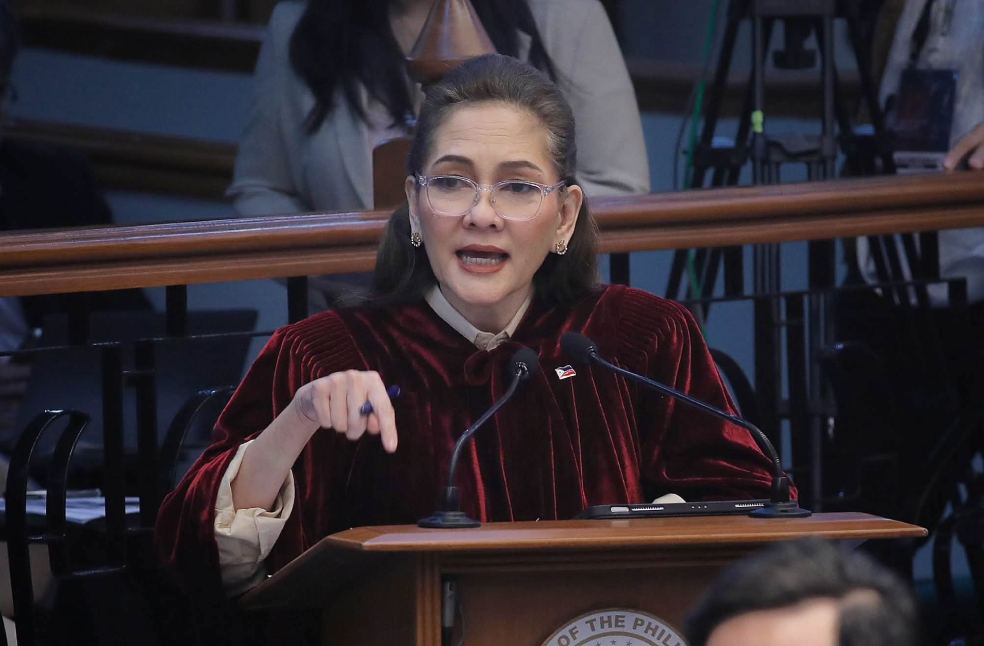
The Senate-backed proposal, Senate Bill No. 2424, takes a stricter approach by restricting access to covered social media platforms for users under 16. It would require platforms to suspend, restrict, disable or remove accounts reasonably determined to be operated or used by children below the specified age. Senators approved the measure by 16 votes to one, with Senator Risa Hontiveros casting the opposing vote.
Both proposals seek to strengthen protections for young users, but they differ on the minimum age for independent access and the role of parental consent. Lawmakers will need to resolve these differences as the legislative process continues.
The Senate proposal would require covered platforms to implement age-assurance systems capable of verifying whether users meet the applicable age requirements. The measure also proposes penalties ranging from 5 million to 20 million Philippine pesos for each violation, with additional daily penalties for continued non-compliance.
For news organisations, the proposed restrictions could also affect how younger audiences discover journalism through social media. Even where direct access to qualifying news websites remains available, tighter restrictions on social media accounts could reduce the role of platforms in distributing news to younger users.
Neither proposal has become law merely through its passage in one chamber. The final requirements for platforms and young users will depend on the version ultimately approved by both chambers and signed into law.
MOST READ | JD Vance questions livestream plan for Fort Hood attacker’s execution
