


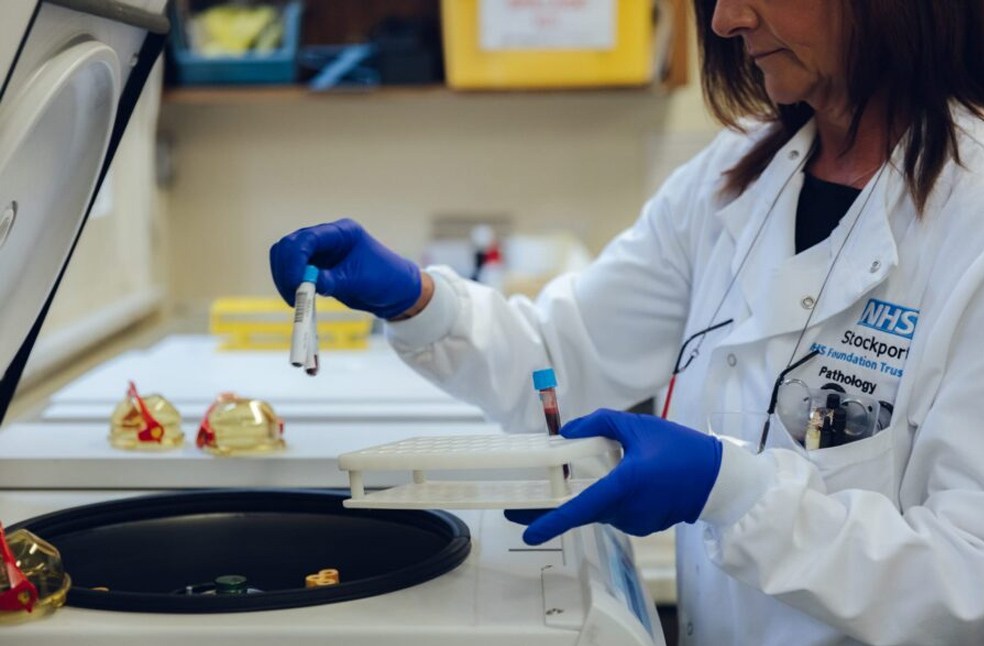
England: Scientists in the UK are developing miniature human organs and tissues, known as organoids, from NHS patients’ cells in an effort to improve drug testing and reduce the use of animals in medical research.
Organoids are tiny tissue structures that can replicate important features of full-sized human organs, including how diseases develop and how patients respond to different treatments. Researchers say they could help identify which medicines are most effective for specific patients and detect unsuccessful drugs earlier.
The research will be based at a new Cambridge research hub backed by £20 million from the Medical Research Council. Scientists will work to create a library of standardised and validated organoids that can be used by researchers and pharmaceutical companies in developing new medicines.
The initiative reflects growing concerns over the limitations of animal testing. More than 90 percent of drugs that pass animal tests reportedly fail during human trials, highlighting the need for models that more closely reflect human biology.
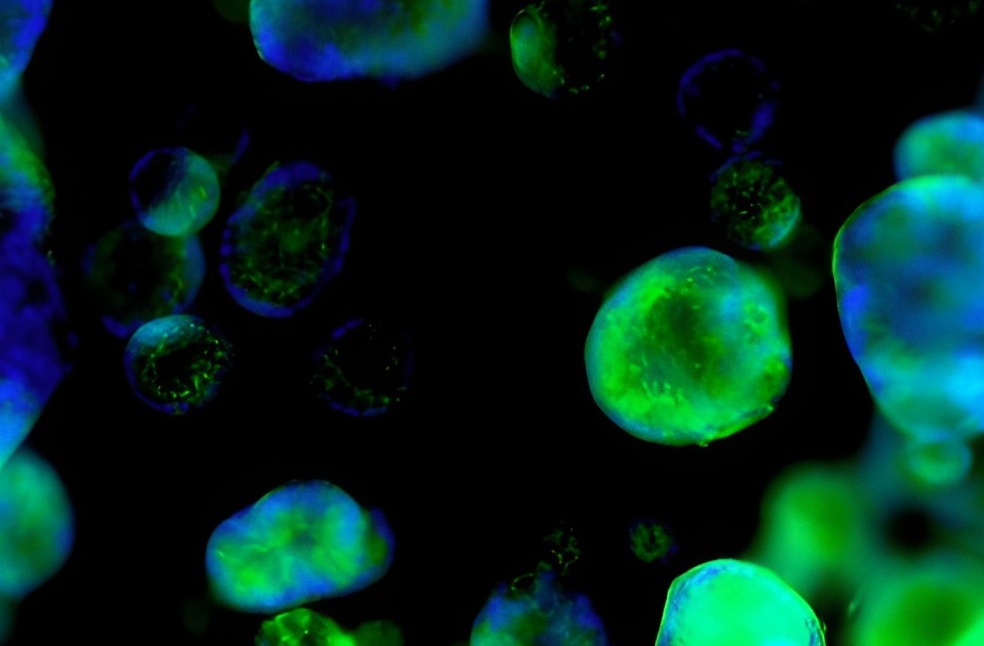
The Cambridge team will initially focus on organoids for inflammatory bowel diseases, including ulcerative colitis and Crohn’s disease. Other researchers will develop tumour models to support cancer treatment research and brain organoids to study neurological conditions.
Alternatives to animal testing
The programme forms part of the UK government’s strategy to accelerate the use of alternatives to animal testing, including organoids, organ-on-a-chip technologies and artificial intelligence. In 2025, Britain recorded 2.54 million animal testing procedures, although the figure was down 3.8 percent from the previous year.
Additional funding of £2 million from Innovate UK will support nine projects aimed at reducing the use of animals, including dogs and monkeys, in safety testing. Researchers say the shift towards human-based models could improve drug development while supporting more personalised approaches to medicine.
ALSO READ | Rare solar eclipse set to dazzle Europe on August 12
