



London: Oil prices have fallen sharply after Pakistan announced a framework agreement between the United States and Iran that could lead to the reopening of the Strait of Hormuz. The key shipping route has remained effectively closed since the conflict escalated following US and Israeli airstrikes on Iran earlier this year.
Brent crude, the global oil benchmark, fell by 4.3 percent to $83.55 (£62.10) per barrel on June 15. Meanwhile, US-traded crude dropped by 4.9 percent to $80.74 (£60.01) per barrel as investors reacted positively to signs of a possible breakthrough in the conflict.
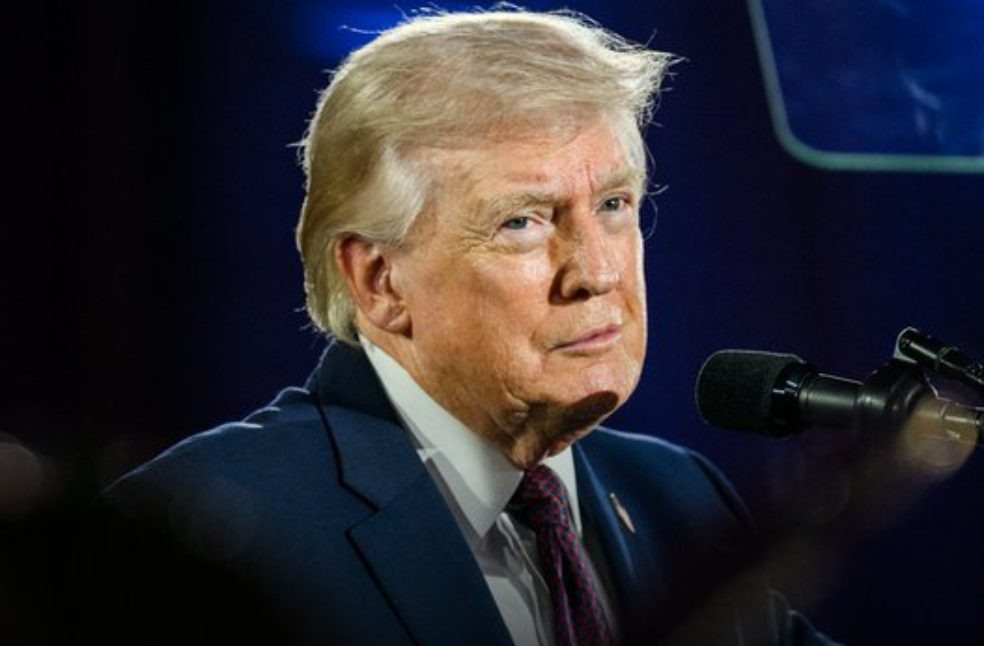
Pakistan’s Prime Minister Shehbaz Sharif stated that an official signing ceremony is scheduled to take place in Switzerland on 19 June. Iran’s Deputy Foreign Minister Kazem Gharibabadi also confirmed that an agreement with the United States had been finalised, while US President Donald Trump welcomed the development by signalling support for the resumption of oil flows.
Despite the market reaction, analysts have cautioned that uncertainty remains. Energy market experts noted that limited details about the agreement could continue to create volatility in the coming days as traders assess the potential impact on global energy supplies.
The Strait of Hormuz is one of the world’s most important energy corridors, handling approximately 20 percent of global oil and liquefied natural gas shipments under normal conditions. During the conflict, concerns over disruptions to shipping contributed to significant increases in oil prices, with Brent crude rising from around $70 (£52) per barrel before the war to nearly $120 (£89) at its peak.
Experts have also warned that restoring normal operations may take time. Industry analysts have indicated that mines would need to be cleared from parts of the waterway, while a backlog of oil tankers waiting to pass through the strait could delay a full recovery in exports.
Energy specialists have estimated that it could take several weeks, and potentially more than a month, before shipping and production return to normal levels.
Asian financial markets responded positively to the announcement. Japan’s Nikkei 225 rose by 4.7 percent, while South Korea’s Kospi gained more than 5.2 percent, reflecting optimism that lower oil prices could ease energy costs for economies heavily dependent on Middle Eastern supplies.
MOST READ | Viktor Orban retains Fidesz leadership after election loss
