


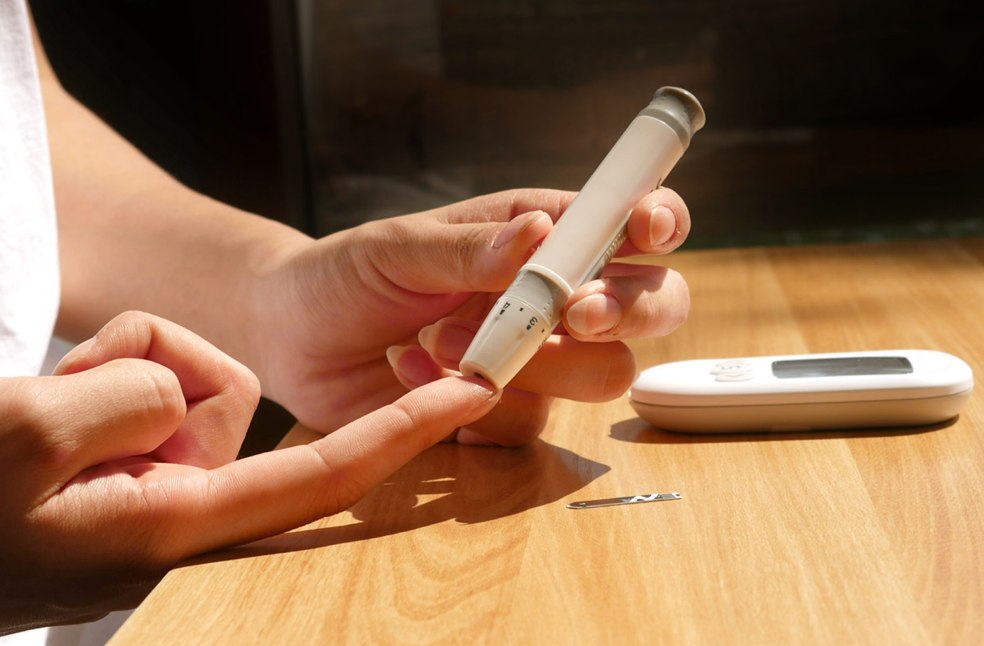
London: The NHS in England is set to offer free finger-prick cholesterol tests at participating high-street pharmacies for the first time, as part of efforts to reduce deaths from heart disease and stroke.
The seven-minute checks will initially be available to people aged 40 to 84 who are not pregnant and have not had a blood test in the previous 12 months. Eligible people will be able to walk into participating pharmacies to have their cholesterol checked.
During the test, a pharmacist will take a small blood sample from the fingertip using a lancet and analyze it immediately. A pharmacist prescriber will then explain the results, provide lifestyle advice and assess whether further treatment, including medicines such as statins, may be appropriate.
People taking part will receive a copy of their results by email and will also be offered a blood pressure check as part of a consultation with a pharmacist prescriber.
The nationwide rollout follows a pilot carried out in north London by Barts Health NHS Trust, UCLPartners and Heart UK. Among 2,493 people tested during the pilot, nearly one in five (19 percent) were identified as being at high risk of a heart attack or stroke within the following decade. At least 88 people subsequently started taking statins.
Around 100 NHS pharmacies across England are expected to begin offering the cholesterol checks during the first phase of the national rollout this autumn. Health officials said the initiative could help identify cardiovascular risks earlier and make preventive care more accessible, particularly in communities where heart disease is more common.
David Webb, chief pharmaceutical officer for England, said pharmacies could provide an important first line of defense against serious illness by making health checks quicker and more convenient for people.
The scheme is part of wider NHS plans to move more healthcare services closer to where people live. Officials hope earlier detection of high cholesterol and other cardiovascular risk factors will encourage people to make lifestyle changes or begin treatment when necessary, helping prevent heart attacks and strokes.
TRENDING | Canada hits back at Trump with giant Lake Ontario sign
