


London: Millions of women in England who are overdue for cervical screening will be offered free NHS home testing kits, in a move designed to make screening more accessible and encourage more women to take part.
The initiative comes as concerns grow over cervical screening participation, with only around two-thirds of women attending appointments when invited. NHS estimates indicate that approximately 4 million women are not currently up to date with their screening.
Described by health officials as a potential ‘gamechanger.’ the new programme will provide women with a discreet and convenient way to test for high-risk human papillomavirus (HPV) from home.
Millions of women in England are to be offered HPV self-testing kits, with the service rolling out today.
Those who haven’t attended cervical screening following previous invitations will be offered a kit as an alternative way to take part.
➡️ https://t.co/XKVLe6DiQQ pic.twitter.com/wgUL1xtSme
— NHS England (@NHSEngland) August 25, 2026
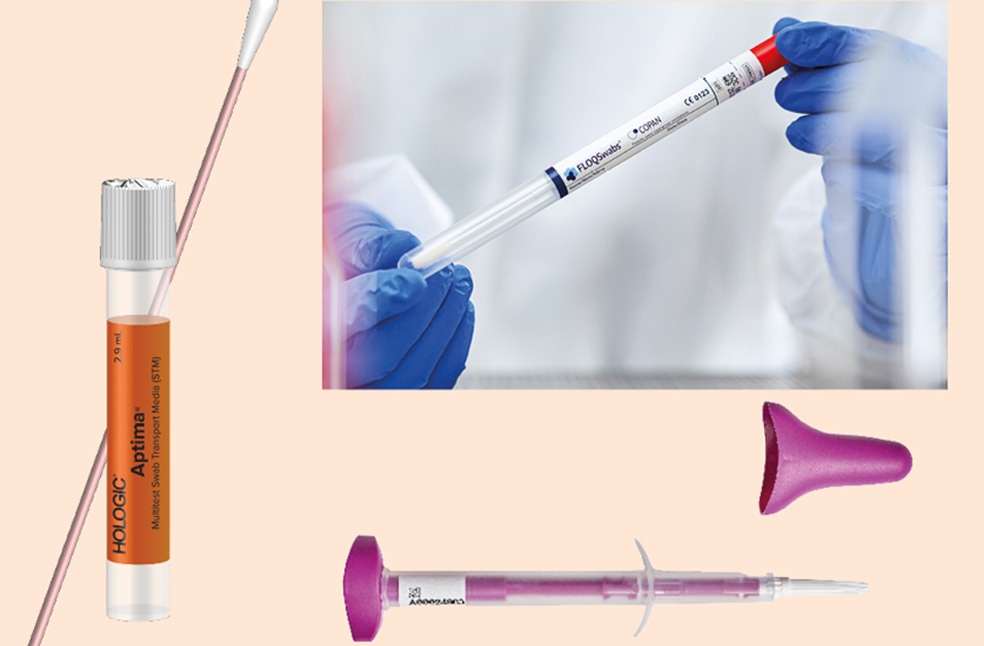
The kits contain a swab that women can use to collect a vaginal sample. The sample can then be returned to the NHS by post at no cost and analysed in laboratories for high-risk HPV. If high-risk HPV is detected, the woman will subsequently be asked to attend a cervical screening appointment with a healthcare professional for further assessment.
The rollout begins on August 25, with eligible women aged 30 to 65 who have missed screening appointments receiving invitations through the NHS app, text message, email or post. Those invited will be able to order their home testing kit through the NHS app or website. The programme forms part of the NHS ambition to eliminate cervical cancer by 2040.
Dr. Sue Mann, National Clinical Director for women’s health at NHS England, said that, “Screening saves thousands of lives each year by preventing cancers and catching them earlier, but only around two-thirds of women are attending cervical screening appointments when invited by the NHS.
“Offering millions of women an alternative test they can do from the comfort of their own homes will be a gamechanger, making it easier than ever for them to get tested for HPV,” the National Clinical Director noted.
HPV is a group of viruses that can be transmitted through sexual contact and often causes no symptoms. Around 13 high-risk HPV types are known to cause 99.7 percent of cervical cancers. Women aged 24 to 64 are routinely invited for cervical screening every five years, or more frequently when HPV is detected.
The latest NHS England figures show that 68.8 percent of eligible women are up to date with cervical screening, significantly below the national target of 80 percent. Mann stated that several factors can prevent women from attending appointments, including embarrassment, time constraints and concerns about discomfort.
The National Clinical Director added that, “There are lots of reasons that may stop women from getting their cervical screening, embarrassment, lack of time, or worries about discomfort, and these kits provide a discreet and convenient option we hope will encourage more women to take up the life-saving test.”
Michelle Mitchell, Chief Executive of Cancer Research UK, also backed the initiative, highlighting the importance of cervical screening in preventing cancer and identifying it at an earlier stage. “Cervical screening is a powerful tool that saves lives – it can prevent cervical cancer or spot it at an earlier stage when treatment is more likely to be successful.”

The Chief Executive added that, “While it’s best for cervical screening to be done by a nurse or doctor, there are barriers that make it challenging for some people to attend. At-home HPV self-testing kits will help more people take part in a way that works for them.”
Health Secretary Yvette Cooper said that the government wants to make screening as straightforward and convenient as possible, describing the initiative as part of the NHS’s effort to intervene earlier and prevent avoidable deaths.
“This is the future NHS we are building, there for all of us when we need it, and acting as early as possible to stop preventable deaths,” Cooper noted.
By offering a simple and convenient way to test for high-risk HPV, the NHS hopes to improve cervical screening participation, support earlier detection and move closer to its goal of eliminating cervical cancer by 2040.
MOST READ | Trump waves green flag as Freedom 250 Grand Prix begins
