


Close Menu

    Get the latest news around the globe

    Editor's Pick

    Microsoft seeks AI talent through startup acquisitions

    Australian supermarket brands Coles and Woolworths accused of false price claims

    Maharashtra’s Koloshi village in limelight with its cave full of paleolithic tools

    Facebook X (Twitter) Instagram
    Facebook X (Twitter) LinkedIn Instagram
    Britain HeraldBritain Herald
    Subscribe
    • Home
    • World Roundup
    • Business
    • Tech World
    • Entertainment & Events
    • Curious
    • More…
      • Spotlight
      • Knowledge
      • Lifestyle
      • Awareness
      • Women World
      • Sports
      • Travel
      • Notable
      • Contact Us
    Britain HeraldBritain Herald
    Home » Melting of Artic Glaciers could trigger next pandemic; Researchers
    Home News

    Melting of Artic Glaciers could trigger next pandemic; Researchers

    A third of the Arctic Ocean's winter ice has vanished over the past two decades.
    Desk ReporterBy Desk ReporterOctober 19, 2022
    Facebook Twitter LinkedIn WhatsApp
    Cancer Deaths in UK
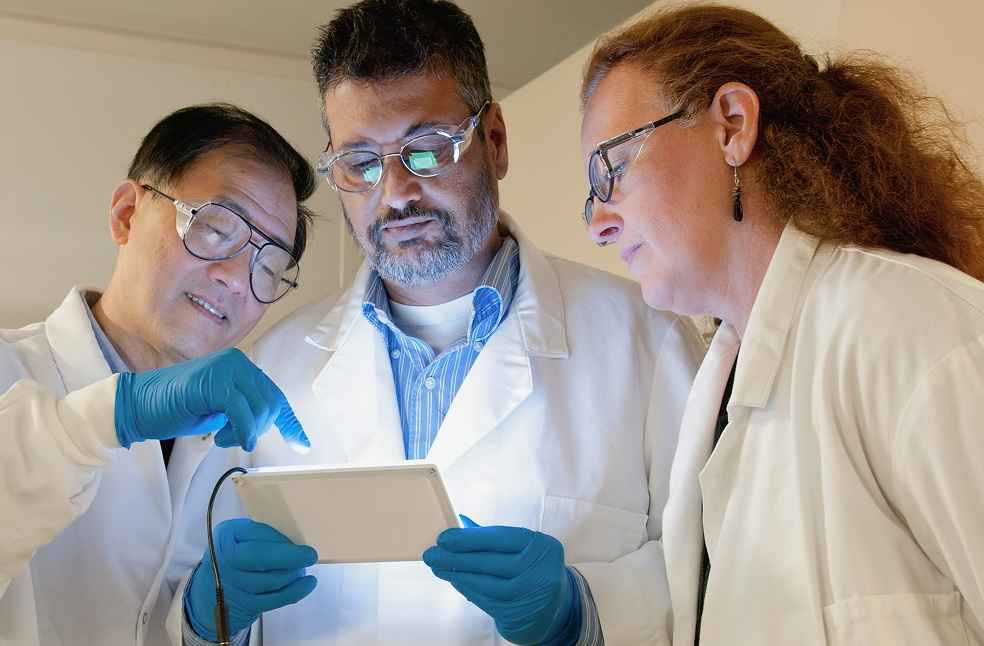
    Rep Image: National Cancer Institute @ unsplash

    London, UK: Researchers recently examined soil and lake sediment from Lake Hazen in Canada, the biggest lake in terms of volume north of the Arctic Circle.

    During their research, the scientists looked for the pool of viruses existing in the environment by sequencing segments of Deoxyribonucleic acid (DNA) and Ribonucleic acid (RNA) discovered in the soil.

    According to the findings, it is increasingly likely that viruses and bacteria dormant in glaciers and permafrost would reawaken and infect nearby wildlife when global temperatures rise due to climate change, especially if their ranges move closer to the poles.

    Next pandemic _ Researchers
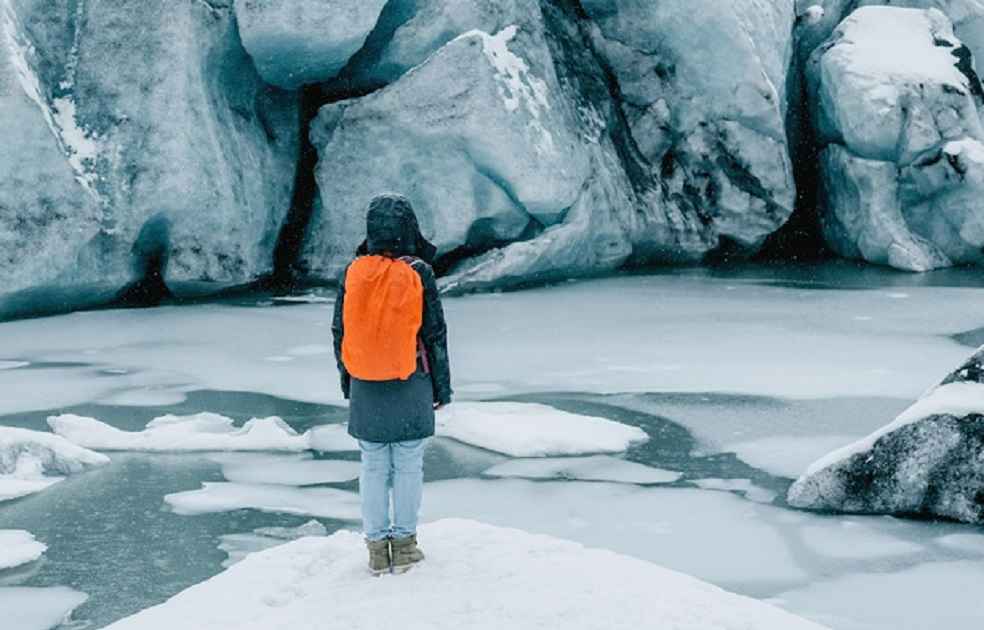
    Rep Image: Yohann LIBOT @ Unsplash

    For example, a heatwave in 2016 that melted permafrost and exposed an infected reindeer carcass was considered as the cause for an anthrax epidemic in northern Siberia that resulted in the death of a child and the infection of at least seven other persons. The previous outbreak in the area occurred in 1941.

    The researchers mentioned in their published paper, Proceedings of the Royal Society B: Biological Sciences, that “Spillover risk increases with runoff from glacier melt, a proxy for climate change, should climate change also shift species range of potential viral vectors and reservoirs northwards, the High Arctic could become fertile ground for emerging pandemics.”
    Next pandemic _ Researchers
    Rep. Image: Julia Volk @ Pexels

    Other recent research, however, contends that unidentified viruses can and do linger in glacier ice. For example, scientists at Ohio State University in the US reported finding genetic material from 33 viruses, 28 of which were unique, in ice samples collected from the Tibetan plateau in China last year. The viruses were estimated to be about 15,000 years old based on their location.

    “From an evolutionary standpoint, viruses are more prone to infecting hosts that are phylogenetically close to their natural host, potentially because it is easier for them to infect and colonize species that are genetically similar,” the researchers explain in their paper.
    Next pandemic _ Researchers
    Rep. Image: Mario @ Pixabay

    One of the areas of the planet most susceptible to climate change is the High Arctic, or the most northern regions. A third of the Arctic Ocean’s winter ice has vanished over the past two decades.

    Moreover, experts are expressing concern about an elevated danger of pandemics brought on by a variety of factors, not the least of which is human activity, and that is destroying natural habitats and forcing people and animals to live in close proximity.

    It’s also not clear if the Lake Hazen capacity for host flipping is specific to lake sediments.
    Next pandemic _ Researchers _ Dr. Arwyn Edwards
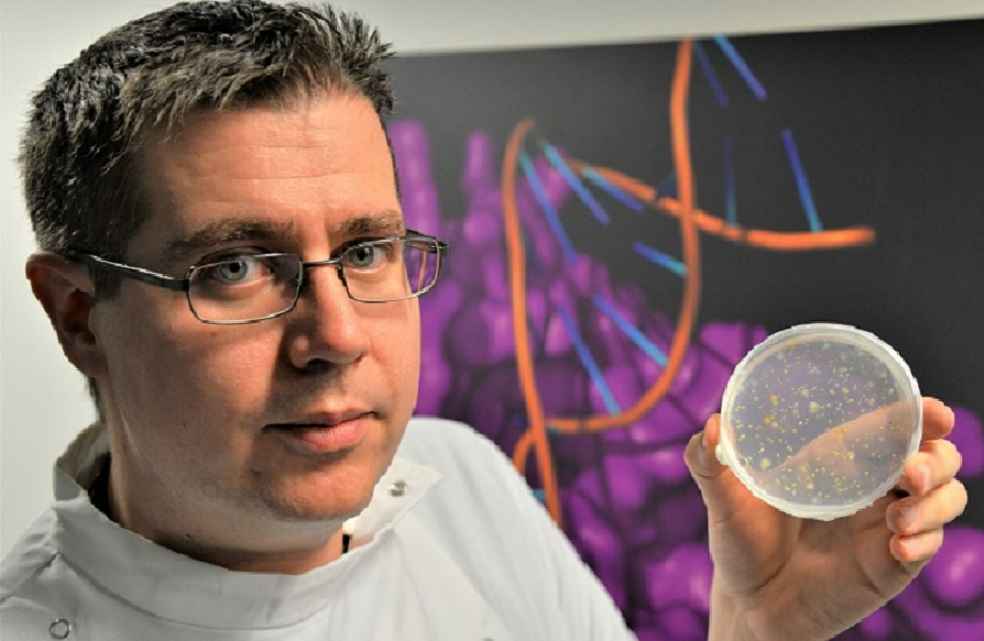
    Dr. Arwyn Edwards

    “For all we know, it could be the same as the likelihood of host switching posed by viruses from the mud in your local pond,” observed Dr. Arwyn Edwards, the director of the Interdisciplinary Centre for Environmental Microbiology at Aberystwyth University, UK.

    “We do urgently need to explore the microbial worlds all over our planet to understand these risks in context. Two things are very clear now. Firstly, that the Arctic is warming rapidly and the major risks to humanity are from its influence on our climate. Secondly, that diseases from elsewhere are finding their way into the vulnerable communities and ecosystems of the Arctic,” Dr. Edwards elaborated.

    TECH WORLD: US Commerce Department pens deal with Google to develop chips for researchers

    STAR OF SECTOR 2025
    Next pandemic Next pandemic _ Researchers
    Share. Facebook Twitter LinkedIn WhatsApp
    Avatar
    Desk Reporter

    The news/article published above has been sourced, compiled, and corroborated by a member of the Britain Herald News Desk Team. If you have any queries or complaints about the published material, please get in touch with us at BritainHerald@Gmail.Com

    Newly Updated

    China probes alleged use of formaldehyde to preserve cabbages

    August 24, 2026

    Maradona’s ‘Hand of God’ World Cup ball fetches £2.5mn

    August 24, 2026

    Mercedes no longer fastest as McLaren continues F1 surge

    August 24, 2026
    STAR OF SECTOR 2025

    Business

    Tesla recalls nearly 3 million EVs in China over door risks

    Business August 22, 2026

    Beijing: Tesla is among several automakers recalling more than 4 million vehicles in China over…

    Panama Canal to cut daily ship transits from September

    August 21, 2026

    India’s Swiggy targets higher Instamart margins with model shift

    August 20, 2026

    US delays new tariffs on Canadian goods after trade deal

    August 19, 2026
    Stay In Touch
    • Facebook
    • Twitter
    • LinkedIn
    • Instagram

    Curious

    Giant Python successfully treated with human cancer therapy

    August 21, 2026

    Forgotten history of dining tables and how we eat

    August 16, 2026

    Earth to witness billions receiving sunlight together

    July 8, 2026

    Ever wonder why lightning sounds different? Here’s why

    July 3, 2026

    Get the latest news around the globe

    Knowledge

    Why migration is transforming cities around the world

    Knowledge August 19, 2026

    Migration is transforming modern cities by changing their populations, economies, cultures and urban landscapes. People…

    Forgotten history of dining tables and how we eat

    August 16, 2026

    30 Days of Tai Chi: A new way to move and slow down

    August 15, 2026

    10,000-steps rule: Where did that number actually come from?

    August 2, 2026
    18-EA-387-TryEngineeringSummerInst_BannerAd_300x250_Robot
    About Us
    About Us

    Britain Herald is a global news brand that plays a significant role in educating and informing the masses with informative content, the latest updates, and current affairs across the World.

    Operated and Managed by WellMade Network, the portal is a sister concern of GCC Business News and Emirati Times. For inquiries about Media Partnerships, Investment and other opportunities in line with our Editorial Policy, please contact us at;

    Email Us: News@BritainHerald.com
    Whatsapp: +971 5060 12456

    We Have

    China probes alleged use of formaldehyde to preserve cabbages

    August 24, 2026

    Maradona’s ‘Hand of God’ World Cup ball fetches £2.5mn

    August 24, 2026

    Mercedes no longer fastest as McLaren continues F1 surge

    August 24, 2026

    Burnham arrives in Kyiv to reaffirm UK support for Ukraine

    August 24, 2026
    Facebook X (Twitter) LinkedIn Instagram
    • Home
    • Business
    • Tech World
    • Awareness
    • Contact Us
    Privacy & Cookies Policy | Terms & Conditions
    © 2002 BritainHerald.com, An Initiative by WellMade Network

    Type above and press Enter to search. Press Esc to cancel.