


Close Menu

    Get the latest news around the globe

    Editor's Pick

    Google to pay $93mn for location tracking allegations

    Musk restores Alex Jones X account after poll results

    Hackers’ Dream: ‘Admin’ remains UK’s most used password

    Facebook X (Twitter) Instagram LinkedIn
    Facebook X (Twitter) LinkedIn Instagram
    Britain HeraldBritain Herald
    Subscribe
    • Home
    • World Roundup
    • Business
    • Tech World
    • Entertainment & Events
    • Curious
    • More…
      • Spotlight
      • Knowledge
      • Lifestyle
      • Awareness
      • Women World
      • Sports
      • Travel
      • Notable
      • Contact Us
    Britain HeraldBritain Herald
    Home » Cut liver cancer risk by 60 percent with vaccines, lifestyle fixes
    Lifestyle

    Cut liver cancer risk by 60 percent with vaccines, lifestyle fixes

    Currently, liver cancer ranks as the sixth most common cancer worldwide and is the third leading cause of cancer-related death.
    News DeskBy News DeskJuly 29, 2025
    Facebook Twitter LinkedIn WhatsApp
    Cut liver cancer risk by 60 percent_Image Via_X_Lancet
    Image Via: X@The Lancet | Cropped by BH

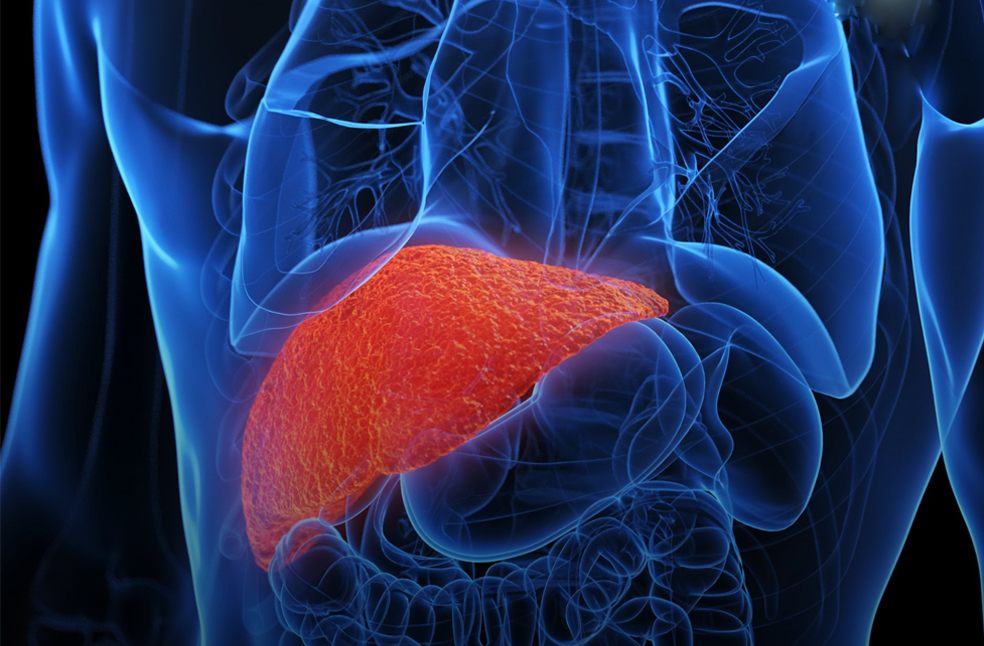
    London, UK: A new report from the Lancet Commission on Liver Cancer has revealed that three out of five global liver cancer cases could be prevented through targeted public health strategies such as reducing obesity, limiting alcohol consumption, and expanding hepatitis B vaccination programs.

    The commission’s findings show that addressing major risk factors, including fatty liver disease and viral hepatitis B and C, could reduce liver cancer incidence by 2 percent to 5 percent annually by 2050, potentially preventing between 9 and 17 million new cases and saving 8 to 15 million lives.

    Prof Jian Zhou, from Fudan University in China and lead researcher of the commission, emphasized the growing threat, and said that, “Liver cancer is a growing health issue around the world. It is one of the most challenging cancers to treat, with five-year survival rates ranging from approximately 5 percent to 30 percent. We risk seeing close to a doubling of cases and deaths from liver cancer over the next quarter of a century without urgent action to reverse this trend.”

    Currently, liver cancer ranks as the sixth most common cancer worldwide and is the third leading cause of cancer-related death. Annual fatalities are projected to climb from 760,000 in 2022 to 1.37 million by 2050. Simultaneously, new liver cancer cases are expected to increase from 870,000 in 2022 to 1.52 million by 2050, primarily due to population growth and ageing, with the most significant rises predicted in Africa.

    Cut liver cancer risk by 60 percent_Image Credits_Fudan University
    Prof Jian Zhou / Image Credits: Fudan University | Cropped by BH

    China accounts for more than 40 percent of global liver cancer cases, largely due to high hepatitis B infection rates.

    Among the most alarming trends is the rise in fatty liver disease, now recognized as one of the fastest-growing causes of liver cancer worldwide. An estimated one-third of the global population is affected by metabolic dysfunction-associated steatotic liver disease (MASLD), formerly known as non-alcoholic fatty liver disease, where fat accumulates in the liver.

    MASLD can be prevented with a healthy diet, physical activity, and weight management. Around 20 percent to 30 percent of people with MASLD progress to a more severe form called metabolic dysfunction-associated steatohepatitis (MASH), which poses a direct cancer risk. The share of liver cancer cases attributed to MASH is forecast to rise from 8 percent in 2022 to 11 percent in 2050.

    The second fastest-growing cause is alcohol consumption, with liver cancer cases due to alcohol projected to rise from 19 percent to 21 percent by 2050. Conversely, the proportion of liver cancer cases linked to hepatitis B is expected to drop from 39 percent to 37 percent, and those associated with hepatitis C are expected to decline from 29 percent to 26 percent.
    Cut liver cancer risk by 60 percent_Image source_X_Lancet
    Image Via: X@The Lancet | Cropped by BH

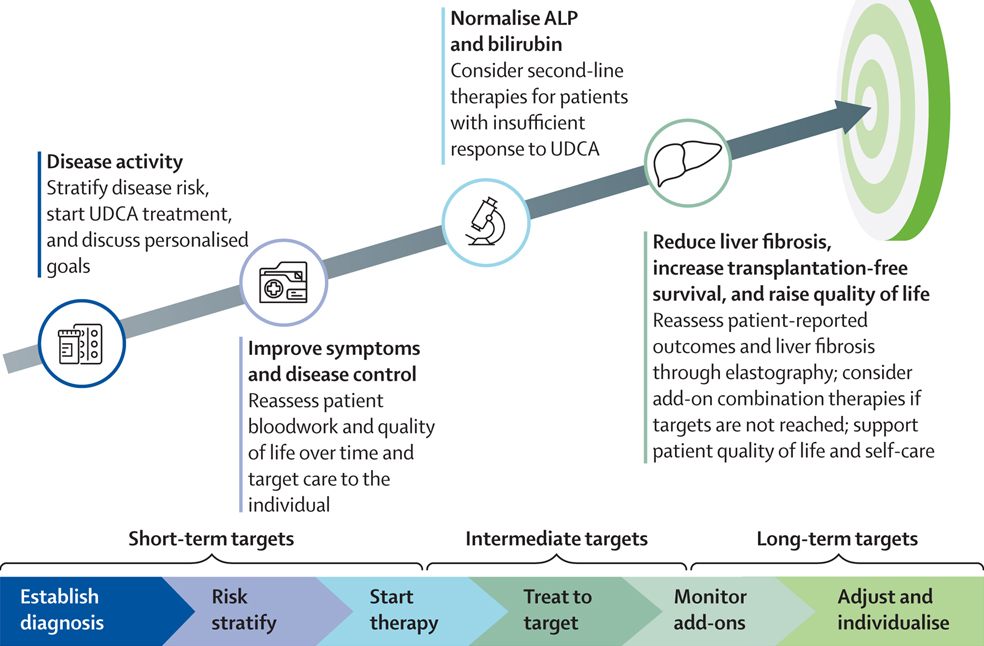
    Prof Hashem B. El-Serag of Baylor College of Medicine in the US, another co-author, explained the shifting landscape and highlighted that, “Liver cancer was once thought to occur mainly in patients with viral hepatitis or alcohol-related liver disease. However, today, rising rates of obesity are an increasing risk factor for liver cancer, primarily due to the increase in cases of excess fat around the liver.”

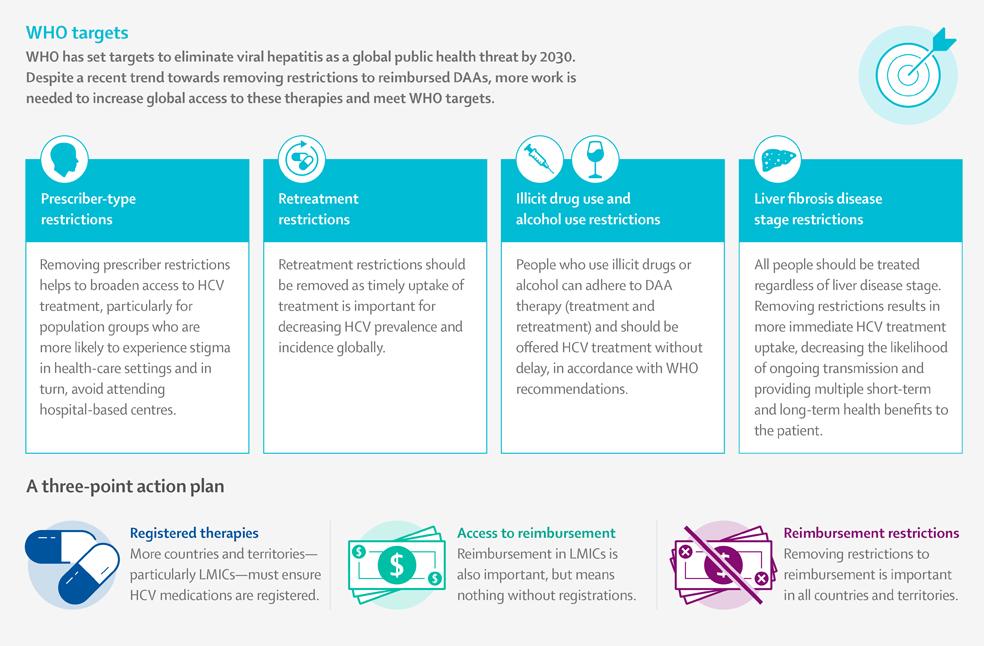
    To counter this global health crisis, the commission proposed a series of policy recommendations, including:

    • Expanding hepatitis B vaccination programs and introducing universal adult screening
    • Implementing minimum alcohol unit pricing, sugar taxes, and warning labels
    • Investing in the early detection of liver damage and cancer
    • Improving palliative care for liver cancer patients
    Cut liver cancer risk by 60 percent_Image from_X_Lancet
    Image Via: X@The Lancet | Cropped by BH

    Prof Valérie Paradis of Beaujon Hospital in France stressed the critical need for awareness, and remarked that, “Compared with other cancers, liver cancer is very hard to treat but has more distinct risk factors, which help define specific prevention strategies. With joint and continuous efforts, we believe many liver cancer cases can be prevented, and both the survival and quality of patients with liver cancer will be considerably improved.”

    Dr. Matt Hoare, a hepatology expert from the University of Cambridge’s Early Cancer Institute, added that liver cancer stands out because its death rate continues to rise, with causes differing by region.

    Dr. Hoare pointed to Japan as a successful case, where public health policy changes, improved prevention, and early detection helped reduce mortality. His research team is now working on identifying liver disease patients most likely to develop cancer using DNA sequencing techniques.

    The commission concludes that liver cancer, despite its severity, offers clear prevention pathways, but only if urgent and coordinated action is taken globally.

    ALSO READ | Google admits alert system failed in 2023 Turkey earthquake

    STAR OF SECTOR 2025
    Liver Cancer Awareness Liver Cancer Early Detection Liver Cancer Global Report Liver Cancer Prevention Liver Cancer Risk Factors Liver Cancer Statistics 2025 Liver Cancer Vaccine
    Share. Facebook Twitter LinkedIn WhatsApp
    Avatar
    News Desk

    The news/article published above has been sourced, compiled, and corroborated by a member of the Britain Herald News Desk Team. If you have any queries or complaints about the published material, please get in touch with us at BritainHerald@Gmail.Com

    Newly Updated

    NHS to offer free high-street cholesterol tests across England

    August 31, 2026

    Djokovic suffers shock US Open exit after emotional defeat

    August 31, 2026

    Thousands hit by delays as Kenya airport strike enters second day

    August 31, 2026
    STAR OF SECTOR 2025

    Business

    Europe’s gas storage drops to lowest level in 13 years

    Business August 29, 2026

    London: EU gas storage levels have fallen to their lowest point in 13 years ahead…

    Holiday Warning: 10 ways to spot misleading hotel reviews

    August 28, 2026

    Global tech firms urge action against rising AI threats

    August 28, 2026

    Nvidia revenue doubles to $96 billion as AI demand surges

    August 27, 2026
    Stay In Touch
    • Facebook
    • Twitter
    • LinkedIn
    • Instagram

    Curious

    Queensland woman gives birth to twins with different biological parents

    August 27, 2026

    Giant Python successfully treated with human cancer therapy

    August 21, 2026

    Forgotten history of dining tables and how we eat

    August 16, 2026

    Earth to witness billions receiving sunlight together

    July 8, 2026

    Get the latest news around the globe

    Knowledge

    Why migration is transforming cities around the world

    Knowledge August 19, 2026

    Migration is transforming modern cities by changing their populations, economies, cultures and urban landscapes. People…

    Forgotten history of dining tables and how we eat

    August 16, 2026

    30 Days of Tai Chi: A new way to move and slow down

    August 15, 2026

    10,000-steps rule: Where did that number actually come from?

    August 2, 2026
    18-EA-387-TryEngineeringSummerInst_BannerAd_300x250_Robot
    About Us
    About Us

    Britain Herald is a UK rooted, digital first media brand focused on business, diaspora, leadership, innovation and international affairs. Built for the emerging authority economy, it values credible expertise, trusted institutions and recognised voices.

    Operated and Managed by WellMade Network, the portal is a sister concern of GCC Business News and Emirati Times.

    Email Us: News@BritainHerald.com
    Whatsapp: +971 5060 12456

    We Have

    NHS to offer free high-street cholesterol tests across England

    August 31, 2026

    Djokovic suffers shock US Open exit after emotional defeat

    August 31, 2026

    Thousands hit by delays as Kenya airport strike enters second day

    August 31, 2026

    Studies explore link between inflammation and mental health

    August 31, 2026

    Russia, China leaders gather for SCO summit in Kyrgyzstan

    August 31, 2026
    Facebook X (Twitter) LinkedIn Instagram
    • Home
    • Business
    • Tech World
    • Awareness
    • Contact Us
    Privacy & Cookies Policy | Terms & Conditions
    © 2002 BritainHerald.com, An Initiative by WellMade Network

    Type above and press Enter to search. Press Esc to cancel.