


Tehran: The Strait of Hormuz cannot be reopened at present due to continued ceasefire violations, according to senior Iranian officials, signalling renewed uncertainty for global shipping and energy markets.
Mohammad Bagher Ghalibaf has stated that it is “not possible” to reopen the Strait of Hormuz, citing what he described as ‘blatant violations’ by the United States and Israel. He pointed to the ongoing US naval blockade of Iranian ports as a key factor.
Iran has argued that the blockade effectively places pressure on its economy while undermining diplomatic efforts. Officials have also accused Israel of continuing military activity, further complicating the ceasefire environment.
Masoud Pezeshkian has said that Iran remains open to negotiations, but warned that trust cannot be rebuilt while threats and restrictions persist. He has emphasised that genuine talks require commitments from all sides.
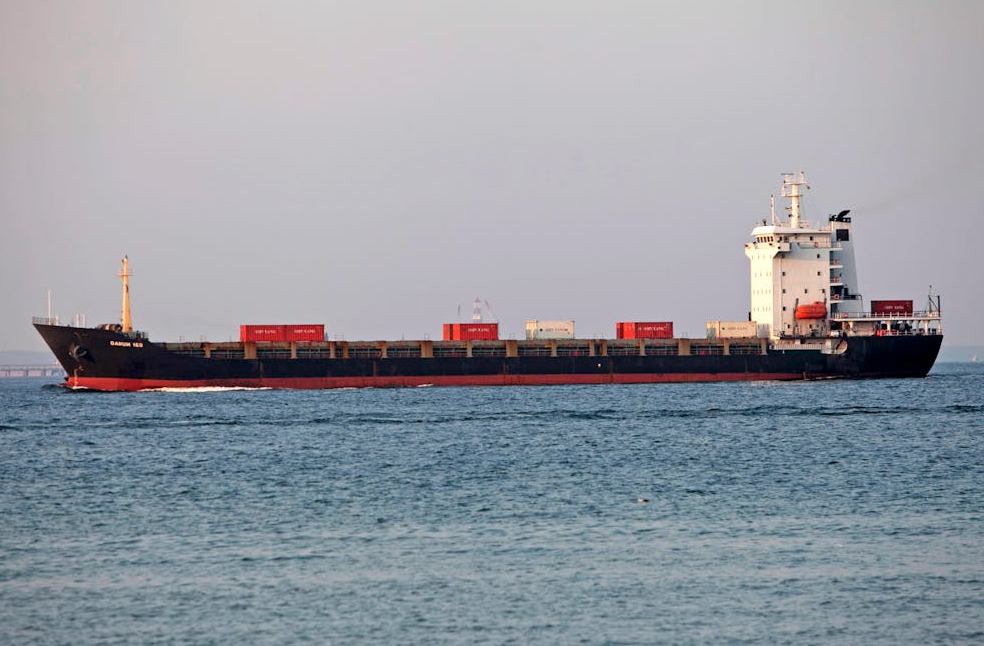
The situation in the Strait of Hormuz has remained tense, with reports of clashes and vessel incidents continuing in the waterway. Iran has recently confirmed the seizure of two cargo ships, citing violations of maritime regulations.
The developments come after Donald Trump extended the ceasefire between the United States and Iran without setting a new deadline. Despite the extension, the US has maintained its blockade, keeping pressure on Tehran.
Karoline Leavitt has stated that the ceasefire extension is open-ended and that the US remains satisfied with the current strategy. The administration has suggested that the approach gives time for a potential agreement to emerge.
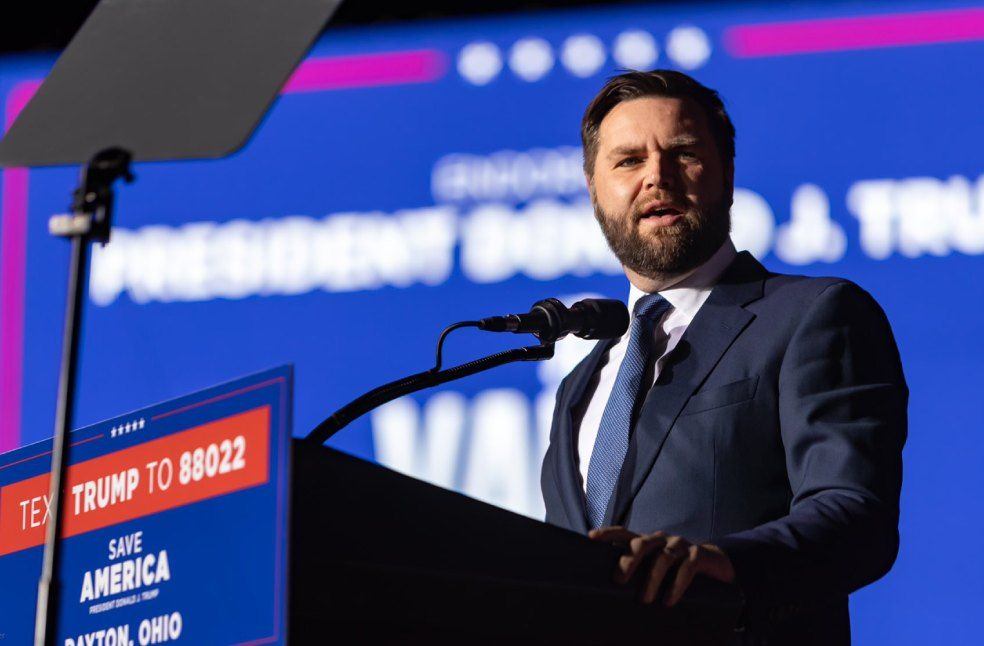
Meanwhile, negotiations that were expected to take place in Pakistan have yet to begin, adding to uncertainty around diplomatic progress. JD Vance, who was expected to lead talks, has not travelled for discussions.
The Strait of Hormuz is one of the world’s most critical maritime routes, handling a significant portion of global oil and gas shipments. Continued instability in the area has raised concerns among shipping companies and global markets.
Analysts have warned that prolonged disruption in the Strait of Hormuz could impact energy supplies, increase costs and heighten geopolitical risks.
The evolving situation highlights the fragile nature of the ceasefire and the challenges facing diplomatic efforts, with both sides maintaining firm positions.
The coming days will be crucial in determining whether negotiations can resume or if tensions in the Strait of Hormuz escalate further.
WE RECOMMEND | Iran seizes ships in Strait of Hormuz after attacks
