


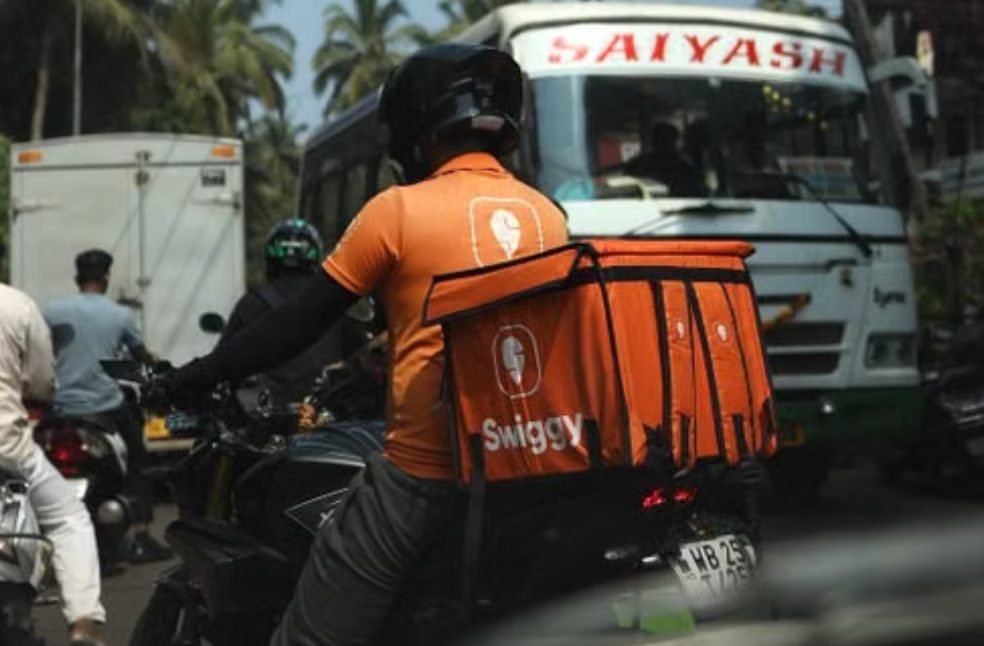
Mumbai: India’s Swiggy is shifting its quick-commerce unit Instamart towards an inventory-led model as the company looks to improve margins and compete more effectively with market leader Blinkit.
The change follows shareholder approval that allows Swiggy to qualify as an Indian-owned and controlled company under India’s foreign investment rules. The status is required for Instamart to hold inventory directly rather than operating only as a marketplace connecting customers with sellers.
Instamart has operated under a marketplace model since its launch in August 2020, earning commissions on products sold through the platform. An inventory-led approach would give Swiggy greater control over pricing, product selection and supply chains.
Analysts expect the new model to provide several benefits, including stronger bulk-buying power, better use of sales data with brand partners and lower product wastage. Swiggy has estimated that the shift could improve Instamart’s contribution margin by around 80 basis points.
That improvement would be significant as Instamart continues to work towards profitability. The unit’s contribution margin was negative 0.2 percent in the first quarter, improving from negative 1.8 percent in the previous quarter.

Blinkit, owned by Eternal, provides a comparison for Swiggy’s strategy. Blinkit moved to an inventory-led model last year and has reported improving margins for five consecutive quarters, turning positive in the March 2026 quarter. Eternal has attributed the improvement to inventory ownership, supply-chain efficiencies and greater sales of higher-margin products.
However, shifting to inventory ownership will also increase Instamart’s working-capital requirements. Swiggy will need to purchase and manage larger quantities of stock, creating additional costs and risks associated with unsold inventory.
Swiggy and Eternal are competing aggressively in India’s quick-commerce market, while Amazon India, Flipkart, Reliance and Zepto are also expanding their presence.
Companies are increasingly moving beyond groceries into categories such as electronics, home products and gourmet foods, where margins can be higher.
For Swiggy, the inventory model is only one part of the broader strategy to achieve profitability. The company also needs to increase sales of higher-margin products and expand its private-label business as competition in India’s fast-growing quick-commerce sector intensifies.
MOST READ | Queen Camilla recalls difficulty of keeping King’s cancer diagnosis private
