


New Delhi: India’s upper house of Parliament has approved legislation that significantly increases penalties for those involved in leaking exam papers.
The move follows weeks of nationwide student-led protests demanding reforms to the country’s examination system, which culminated in the resignation of Education Minister Dharmendra Pradhan.
The bill, passed by the Rajya Sabha after hours of debate, had already secured approval from the lower house a day earlier through a voice vote. It now awaits the assent of President Droupadi Murmu before becoming law.
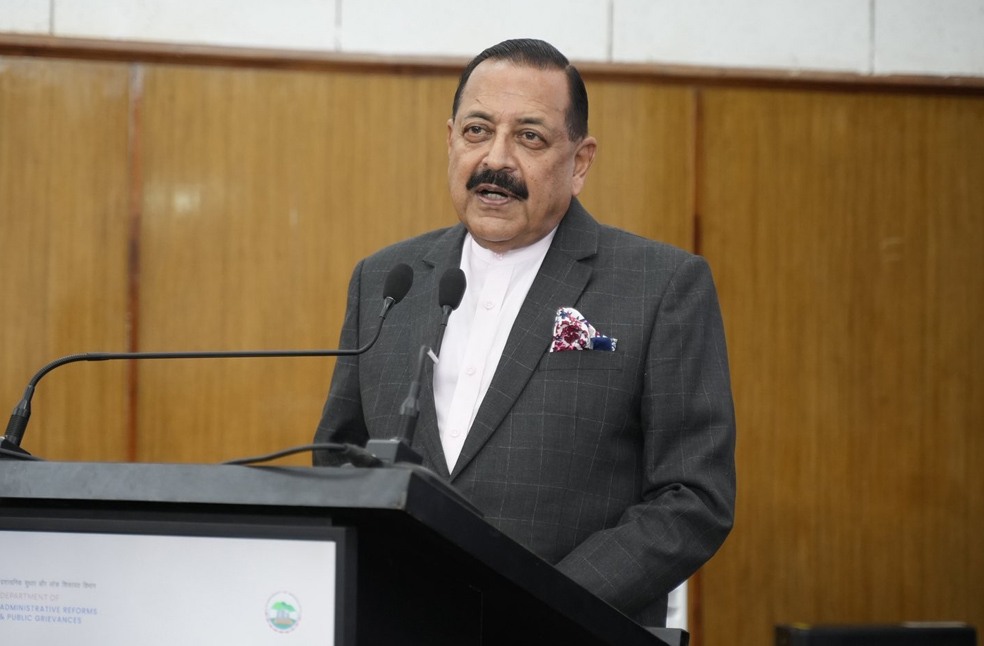
“The Opposition seems to have mid-read the Bill. This legislation is not limited to paper leaks alone, it covers the entire spectrum of possible unfair practices in public examinations”.
My intervention in discussion on “Public Examinations (Prevention of Unfair Means) Amendment… pic.twitter.com/hZuDYTI8ML
— Dr Jitendra Singh (@DrJitendraSingh) July 31, 2026
Prison sentence and penalty
Under the proposed legislation, the maximum prison sentence for individuals convicted of leaking exam papers or participating in related offences will increase from five years to 10 years, while the maximum financial penalty will rise to more than $1 million.
Addressing lawmakers during the debate, Junior Minister Jitendra Singh, who has been involved in discussions with protest representatives, stated that the protecting the integrity of examinations was a matter of national importance because students represent the country’s future.
The legislation follows the approval of the stricter measures by Prime Minister Narendra Modi’s cabinet last week and comes in response to widespread public anger over repeated exam paper leaks and alleged irregularities in recruitment and entrance examinations.
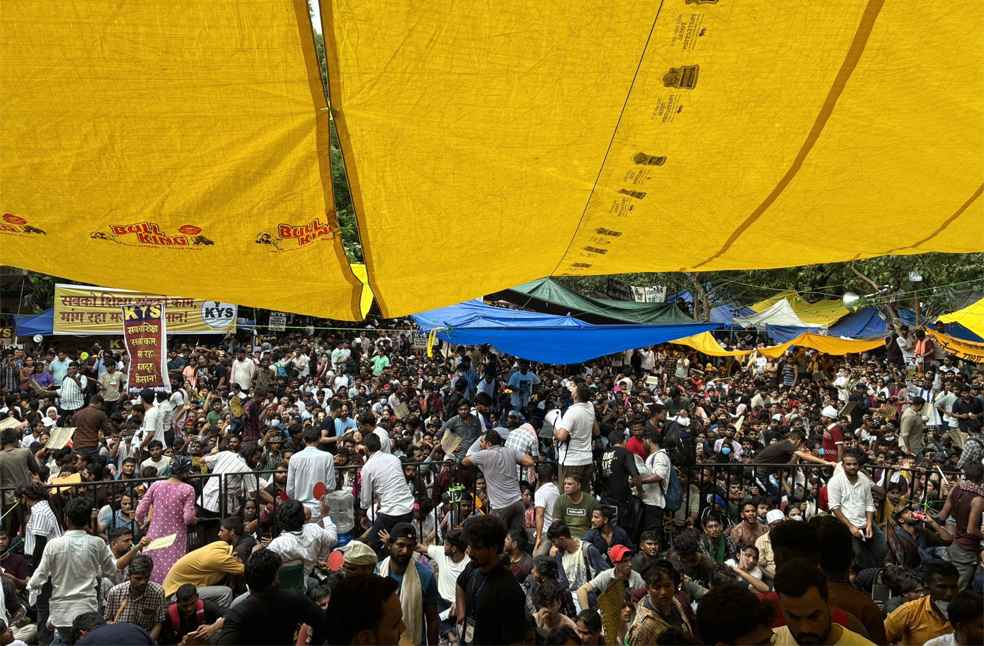
The protests were driven by the online Cockroach Janta Party (CJP) movement, which mobilised thousands of students across India and became one of the most significant youth-led challenges to the government in recent years. The demonstrations culminated in the resignation of Education Minister Dharmendra Pradhan.
Exam paper leaks have long affected national and state-level examinations despite repeated efforts by authorities to curb the practice. Earlier this week, India’s federal investigative agency charged 13 people in connection with the leak of a national medical college entrance examination, a case that further intensified public outrage.
Protests in New Delhi escalated on July 20, when demonstrators attempted to march towards Parliament. Police responded with tear gas and baton charges to disperse the crowds, leading to clashes and multiple detentions.
ALSO READ | Major incident declared as wildfire sweeps Suffolk coast
