


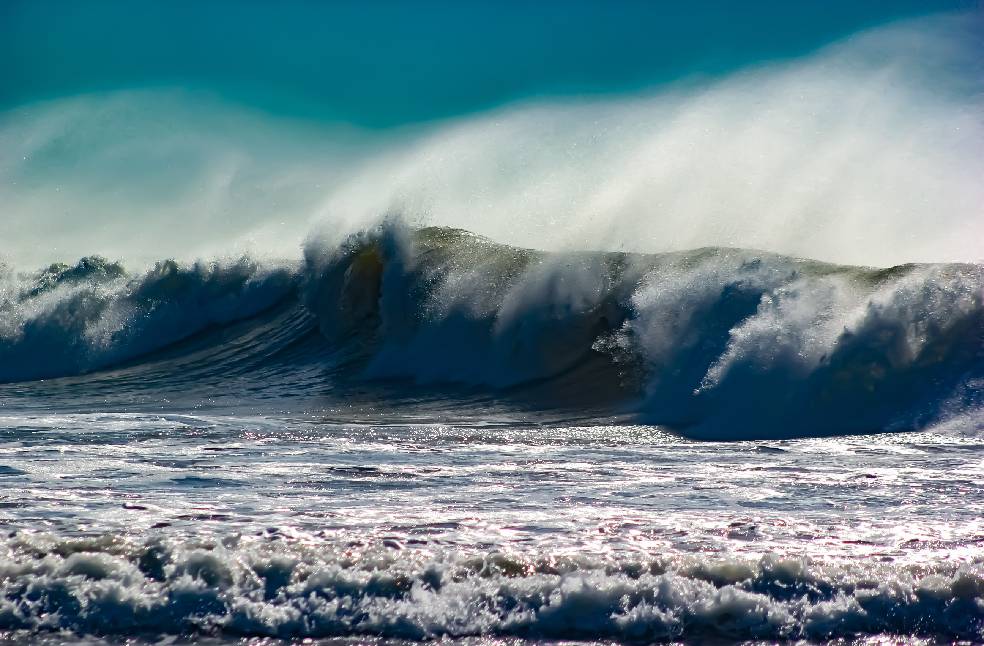
Florida: Hurricane Isaias has made landfall in Florida with powerful winds and the threat of life-threatening flooding, prompting mandatory evacuations and emergency declarations across the southeastern United States.
The storm weakened slightly to a Category 2 hurricane before reaching Florida’s western Panhandle on October 9. Isaias was carrying sustained winds of 110 mph (175 kph). The National Hurricane Center warned that storm surge could cause flooding of up to 9 feet (2.7 metres) in some coastal areas.
Residents along the Florida Panhandle were also urged to seek immediate shelter under an Extreme Wind Warning. Some officials issued urgent instructions for people to leave threatened areas and follow evacuation orders.
I am urging Alabamians to please remain vigilant. We expect this storm to still hit Southern and Central Alabama as a hurricane, and I fully anticipate tropical impacts for the rest of the state. Y’all, stay safe out there! #alwx
— Governor Kay Ivey (@GovernorKayIvey) October 9, 2026
In Florida, coastal communities directly exposed to the storm were told to leave, while Kay Ivey, Alabama Governor ordered non-residents, tourists and visitors to evacuate key counties expected to face severe impacts.
The storm’s effects extended beyond the immediate landfall area. On October 9, hurricane-force winds reached up to 35 miles (55 km) from the centre, while tropical storm-force winds extended as far as 205 miles (335 km). Hundreds of thousands of people across the southeastern United States had already lost power before the hurricane reached land.
Georgia was also preparing for strong winds and heavy rain, although the storm was expected to weaken as it moved inland. About 8,000 customers in the state were already without electricity.
The National Weather Service forecast that Isaias would move across Alabama and into the Tennessee Valley on October10 to 11. Forecasters warned residents against driving through flooded streets as rainfall and rising water levels threatened communities.
Florida, Alabama and Georgia declared states of emergency as officials prepared for heavy rainfall, flooding and damaging winds. Authorities ordered evacuations in vulnerable areas.
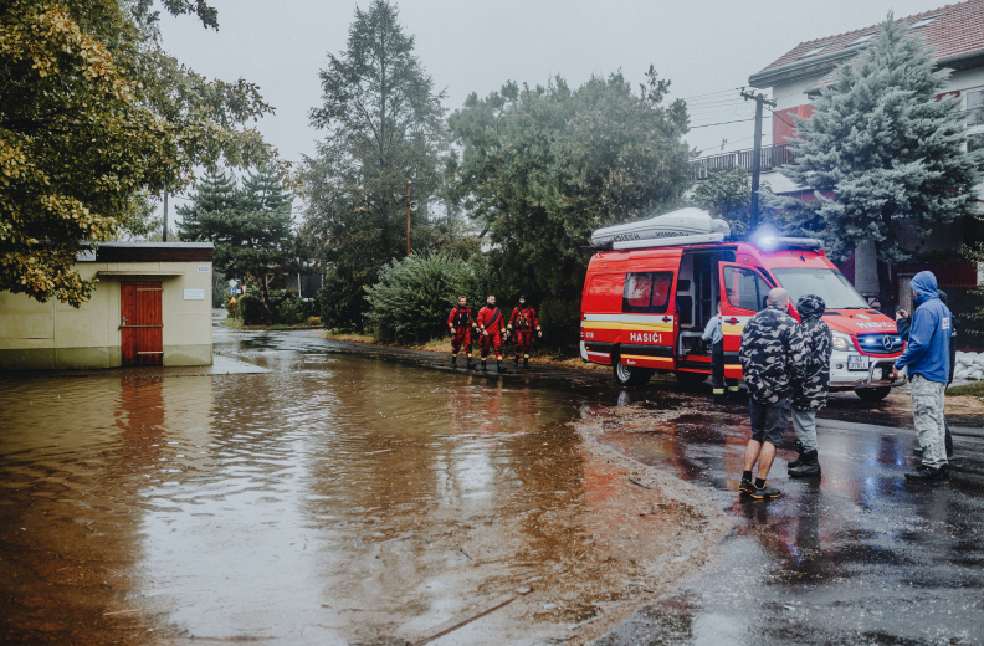
Isaias was described in the report as the first hurricane of the Atlantic season, which was delayed as El Niño conditions in the Pacific. The storm was also reported as the first time in more than 30 years that a hurricane had not formed until October.
US President Donald Trump cancelled plans to attend a major college American football game in Tuscaloosa, Alabama, because of the hurricane. Trump instead planned to attend a rally in Tennessee.
Two other storm systems were affecting North America over the same weekend. Hurricane Simon was approaching Mexico’s Pacific coast as a Category 1 storm, with forecasts indicating that it could strengthen to Category 4 before reaching the area near Puerto Vallarta on October 11.
Tropical Storm Rachel, which had weakened from a hurricane, was heading towards the US-Mexico border along the Pacific coast. Its effects were already being felt in Southern California, where high tides were contributing to coastal flooding. Authorities used bulldozers to reinforce beaches and help limit further flooding.
POPULAR | Record shipping costs challenge US crude oil exports to Asia
