


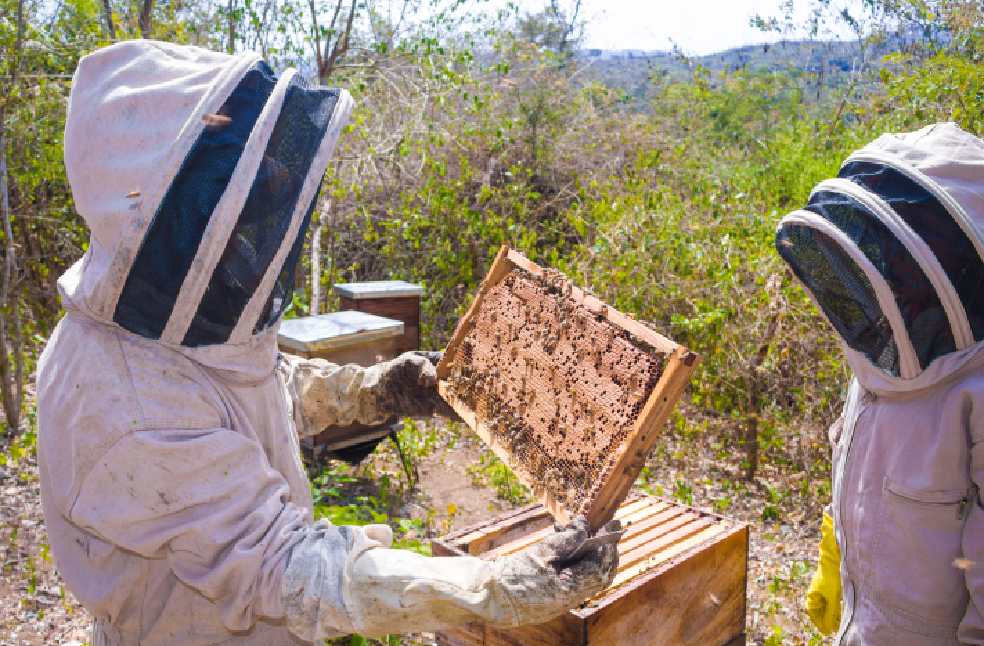
Gaza: The beekeepers in Gaza struggle to rebuild livelihoods after war damage devastates farmland and reduces honey production.
The survival of bees, which play a key role in pollination, remains under threat in a territory where agricultural systems face severe disruption. Access to orchards near the border with Israel remains restricted. Large areas of farmland remain damaged or inaccessible.
Honey production declined over time, dropping from nearly 400 metric tons annually in earlier years. Production later dropped to nearly half that level as climate change affected flowering seasons. Reduced blooms limited natural food sources for bees and weakened colony health.
Across Gaza, widespread destruction forced beekeepers to adopt new methods. Many areas remain in ruins after prolonged conflict. Beekeepers now salvage materials where possible. Some hives moved to rooftops due to lack of access to agricultural land.
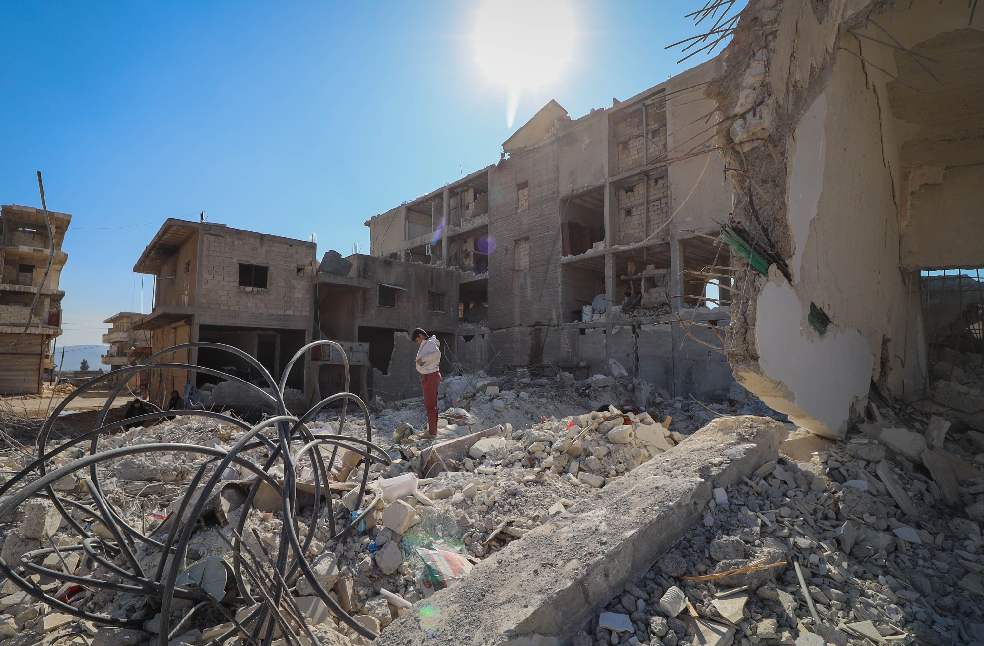
Food shortages for bees present another challenge as natural forage remains scarce in many locations. Beekeepers now use sugar supplements to support colonies. This approach helps maintain bee populations but does not replace natural nutrition found in flowering plants.
By late April, Israel controlled an estimated 64 percent of Gaza. Nearly the entire population of about 2 million people remains concentrated in a narrow coastal zone under Hamas control. Living conditions remain difficult. Many residents stay in damaged buildings or temporary shelters.
The disruption to agriculture affects both livelihoods and the environment. Bees remain essential for pollinating crops and maintaining ecosystems. Reduced bee activity could impact future food production.
The situation reflects broader strain on Gaza’s agricultural sector. Beekeepers continue rebuilding efforts despite limited resources and ongoing restrictions. Recovery of honey production depends on access to land, improved environmental conditions and restoration of farming systems.
MOST READ | China solar firms face rising regulatory pricing pressure
