


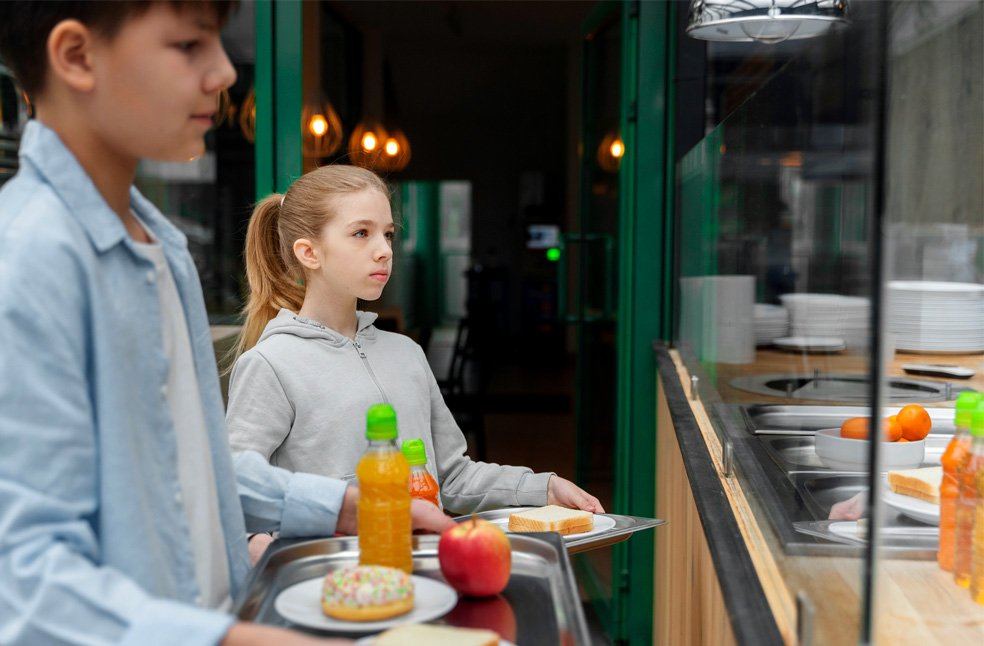
London: The government in England has announced sweeping new reforms to improve school meals, aiming to tackle childhood obesity by removing high-sugar and deep-fried foods from the menus.
Under the proposed changes, school meals will no longer include ‘unhealthy’ options such as pizza and sausage rolls every day. Desserts in meals will be restricted, while fried foods will be completely banned from meal offerings. The plans are currently subject to a nine-week consultation period.
Instead, schools will be required to upgrade the meals by offering healthier, high-fibre wholegrain options such as wholemeal bread, brown pasta, and rice. Every school’s main course must also include a portion of vegetables or salad to ensure balanced nutrition for students.
The overhaul of school meals comes amid growing concerns about children’s health. Data shows that one in three children leave primary school overweight or obese, while tooth decay linked to high-sugar diets remains the leading cause of hospital admissions among children aged five to nine.
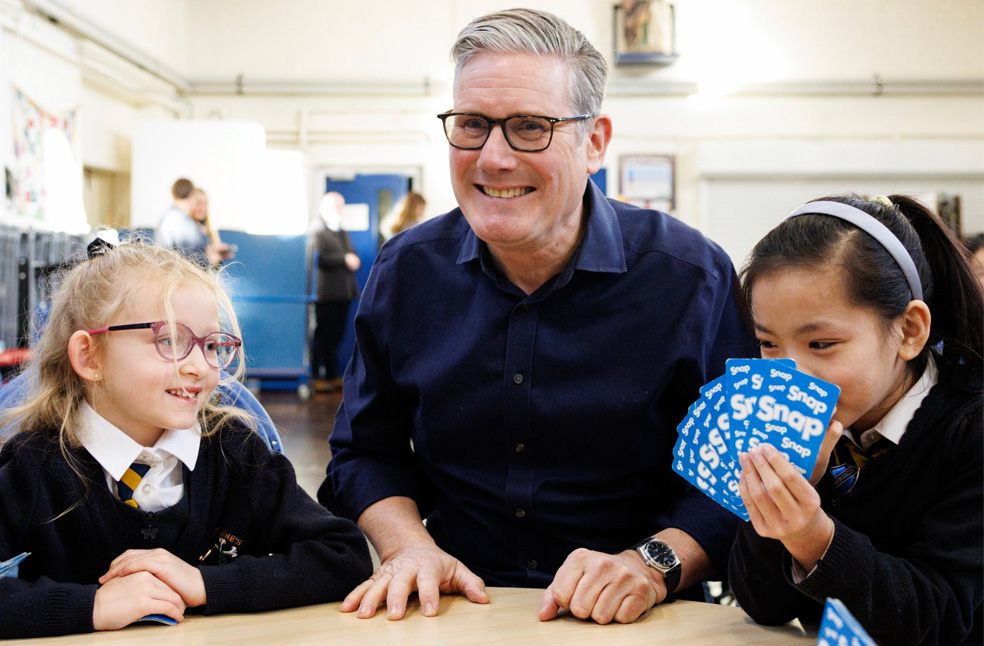
The initiative is being led by Prime Minister Keir Starmer and Education Secretary Bridget Phillipson. To ensure compliance with the new school meals standards, ministers are developing a robust national enforcement system, expected to be introduced by September 2027. Secondary schools will have an additional year to fully align their meals with the new rules.
A recent Department for Education survey found that 74% of parents have concerns about their child’s nutrition, particularly around sugar intake, dietary variety, and access to fruits and vegetables in school meals.
To support the transition, the government has proposed a new school meals sample menu, including healthier options such as spaghetti bolognese, Mexican-style burritos, cottage pie with root vegetable mash, jerk chicken with rice and peas and roasted chickpeas, and vegetable and mozzarella wraps.
The school meals reforms have received strong backing from campaigners and nutrition experts. Actress and Food Foundation ambassador Emma Thompson described improved meals as a “golden opportunity” to support children’s health, learning, and wellbeing, calling the changes a landmark moment.
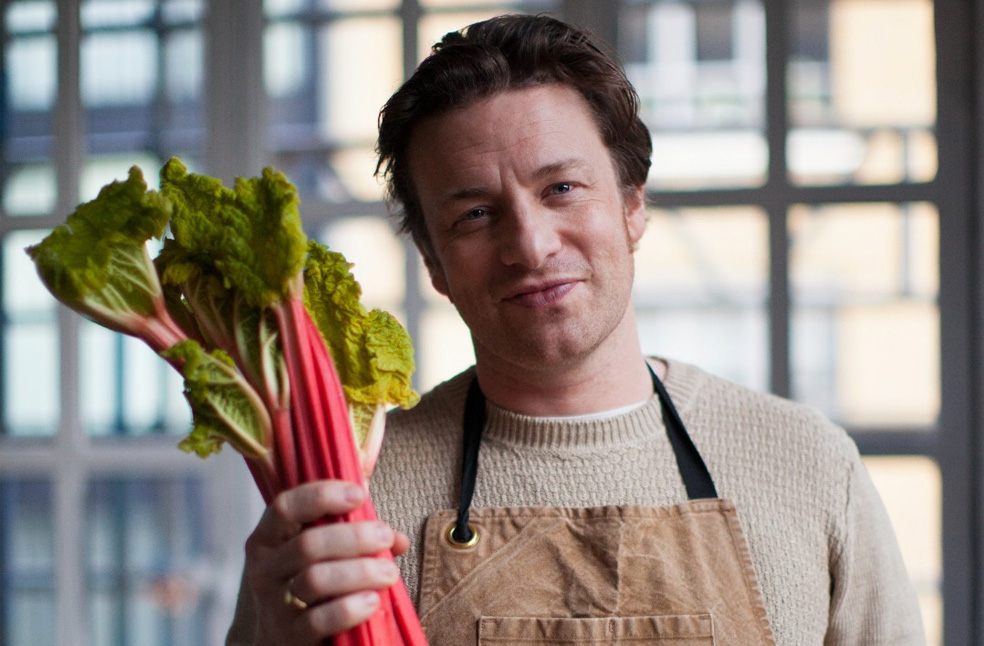
Celebrity Chef Jamie Oliver also welcomed the reforms, noting his long-standing campaign for better meal standards. Oliver emphasised that during term time, school meals can account for up to two-thirds of a child’s daily diet, making them critical for improving health outcomes.
Education Secretary Bridget Phillipson described the reforms as the most ambitious overhaul of school meals in a generation, stressing that every child deserves nutritious meals that help them focus, learn, and thrive.
The announcement also coincides with the expansion of free breakfast clubs, further strengthening access to healthy school meals. More than 500 new clubs are opening in primary schools this month, in addition to the 750 already operating, with potential savings of up to £450 per year for parents.
Overall, the reforms aim to transform school meals across England, improving child health, supporting families, and building a healthier future through better nutrition.
ALSO READ | BTS begins record-breaking ‘ARIRANG’ world tour
