


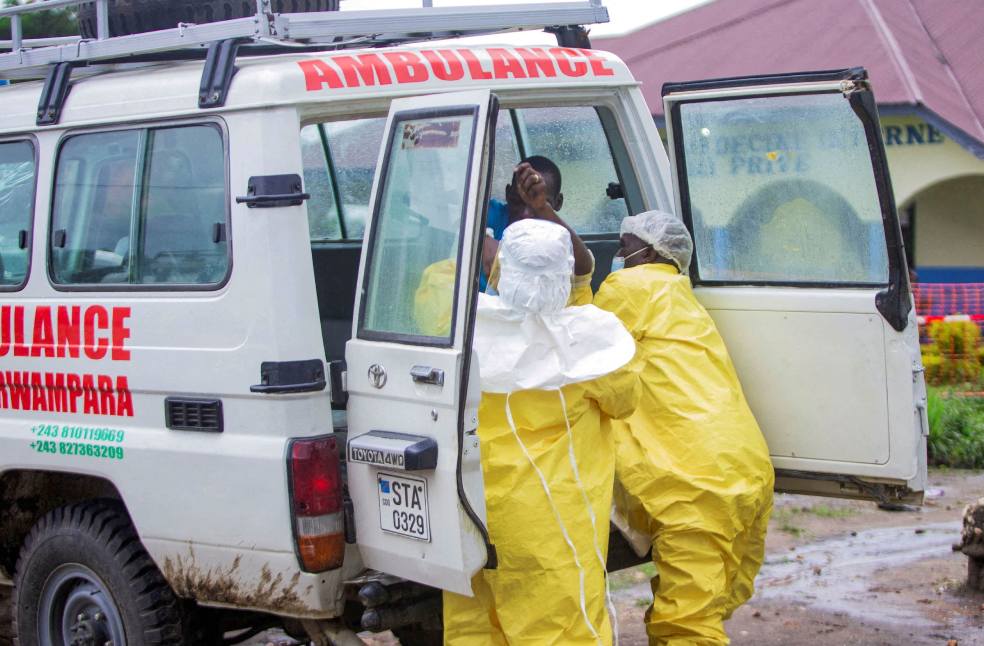
Democratic Republic of Congo: More than 2,500 people have died in the Ebola outbreak in the Democratic Republic of Congo, according to UN Ebola coordinator Julien Harneis, who warned that the disease is spreading exponentially across an area larger than France.
Harneis said that the outbreak is expanding faster than the humanitarian response, creating major challenges for health workers and aid organisations operating across the affected areas. The outbreak is already the deadliest Ebola epidemic in the history of the DRC.
The outbreak was spreading across a vast area affected by three decades of conflict and warned that the growing epidemic was generating significant humanitarian needs.
The outbreak has also taken a heavy toll on healthcare workers. Around 160 healthcare workers have contracted Ebola, with 43 deaths reported among them. Health facilities and emergency teams have faced additional security threats, with ambulances attacked and healthcare facilities targeted.
Harneis noted that the fear and frustration among local communities had contributed to attacks against response teams. The security situation is making it harder for health workers to reach patients and contain transmission.
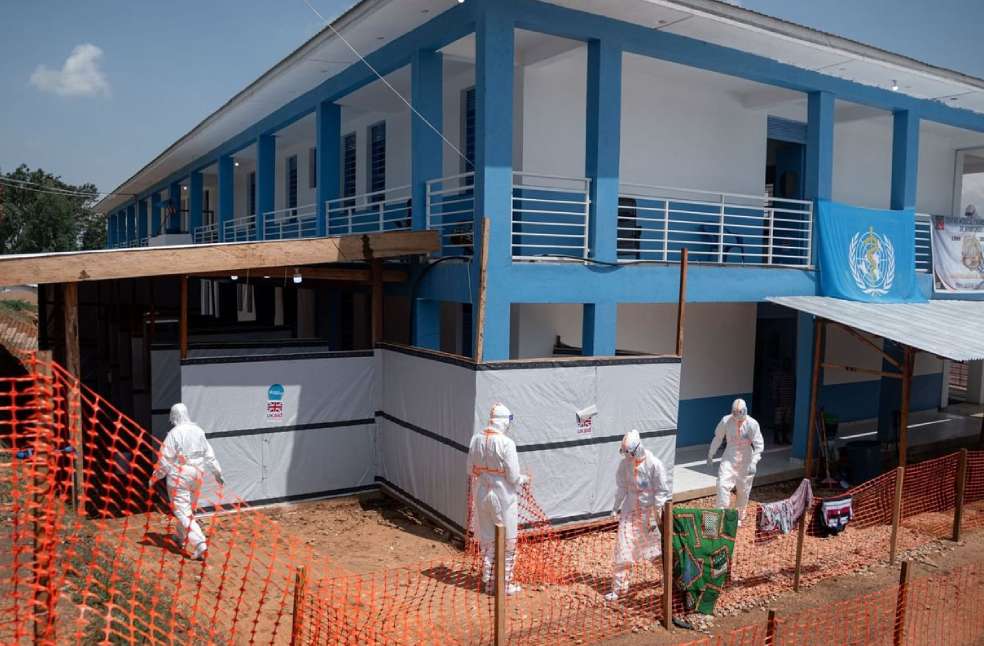
The UN has increased funding for the emergency response. Humanitarian affairs chief Tom Fletcher announced an additional $30.5 million from the UN Central Emergency Response Fund to support efforts against the outbreak.
However, Harneis warned that existing funds could run out within weeks. Years of cuts to humanitarian aid have already reduced the capacity of organisations responding to emergencies in the DRC. The response has also been complicated by the DRC’s decision to halt commercial flights, which has created difficulties in delivering cash needed to pay the tens of thousands of people involved in the Ebola response.
The current outbreak is caused by the Bundibugyo strain of Ebola, for which there are currently no approved vaccines or treatments. A small number of experimental therapies are being evaluated.
Ebola spreads through direct contact with the bodily fluids of infected people, including those who have died from the disease. Symptoms can include fever, vomiting and diarrhoea, while severe infections can lead to internal and external bleeding.
The rapidly expanding outbreak is placing additional pressure on the DRC’s already stretched healthcare system, with conflict, insecurity, funding shortages and attacks on response workers making efforts to contain the disease increasingly difficult.
YOU MAY LIKE | Brook’s 91 puts England in strong position against Pakistan
