



Somerset: The discovery of early dogs has emerged from a fragment of a jawbone uncovered in a cave in Somerset, offering new insight into the origins of the human-animal bond. DNA analysis has confirmed that the jaw belonged to one of the earliest domesticated dogs, indicating that humans in Britain had already formed close relationships with dogs around 15,000 years ago.
This timeline has pushed back the known domestication of dogs by approximately 5,000 years. The findings have suggested that early dogs and humans developed a close partnership almost immediately after wolves began interacting with human communities.
The remains were originally found during excavations in the 1920s at Gough’s Cave in Cheddar Gorge. For decades, the specimen was overlooked and stored in a museum, believed to be unremarkable. However, further research and genetic testing have revealed its true significance.
The study has shown that early dogs likely descended from grey wolves that lingered near human settlements at the end of the Ice Age. These wolves are believed to have scavenged leftover food, gradually becoming less fearful of humans. Over time, this interaction evolved into cooperation, with humans using early dogs for hunting, guarding and tracking.
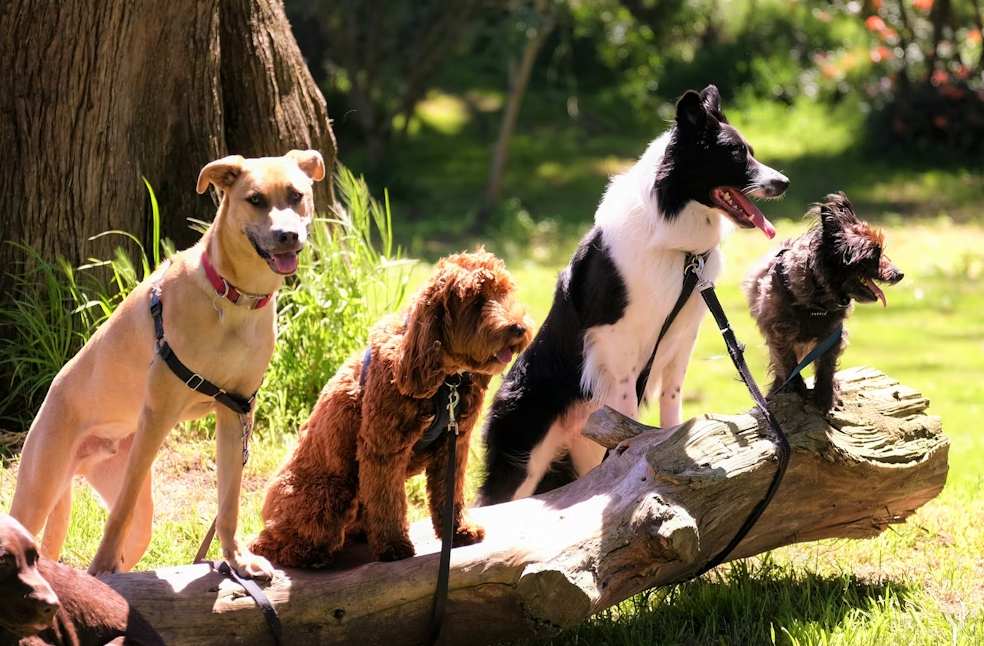
Through generations of selective breeding, these animals began to show physical and behavioural changes. Early dogs developed shorter snouts, smaller teeth and a wide variety of sizes, distinguishing them from their wolf ancestors.
Researchers have highlighted that this discovery provides strong evidence of an already established relationship between humans and early dogs during the Stone Age. The finding has also suggested that domestication was not a sudden event, but a gradual process shaped by mutual benefit.
The breakthrough has come after detailed genetic analysis confirmed the specimen’s identity. The results have challenged earlier assumptions that all similar remains from that period belonged to wolves, reinforcing the idea that early dogs were present much earlier than previously confirmed.
This discovery has added a significant chapter to the story of human evolution, showing that the bond between humans and dogs has been deep-rooted for thousands of years.
MOST READ | Iran allows limited shipping through Strait of Hormuz
