


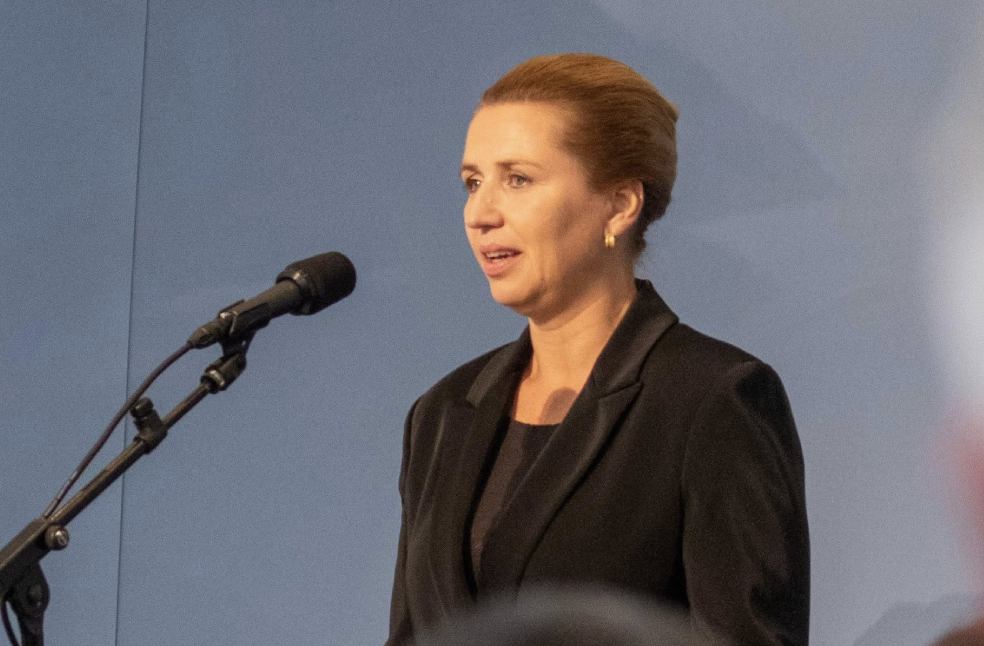
Copenhagen: Denmark election results have placed the Social Democrats as the largest party, but without enough seats to secure a majority, leaving the country heading into complex coalition negotiations. The party, led by Prime Minister Mette Frederiksen, has secured 21.9 percent of the vote, marking its weakest performance in more than a century.
With 38 parliamentary seats, the Social Democrats have remained the biggest party in Denmark’s 179-seat parliament, but far short of the 90 seats required to form a government independently. Despite the setback, Frederiksen has indicated readiness to continue leading, expressing disappointment at the outcome while acknowledging continued public support.
The Denmark election has produced a closely contested result, with the left-leaning ‘red bloc’ securing 84 seats and the right-leaning ‘blue bloc’ gaining 77 seats. Both sides have fallen short of a majority, creating uncertainty over which coalition will eventually form the government.
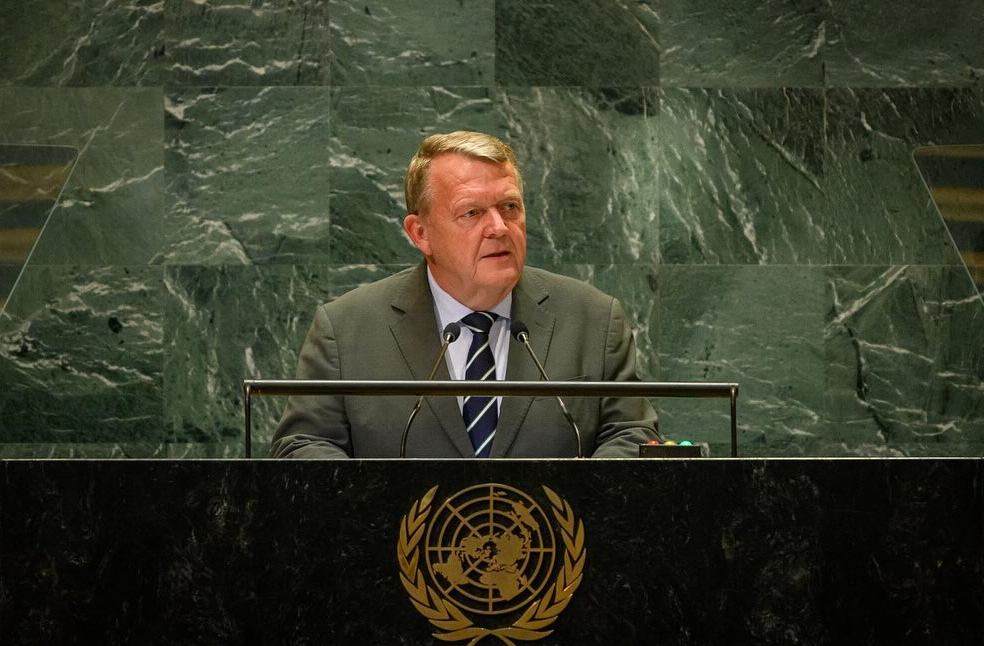
Attention has now shifted to the Moderates, a centrist party holding 14 seats, whose leader Lars Lokke Rasmussen is expected to play a decisive role in determining the next government. Rasmussen has suggested openness to forming a broad centrist coalition, positioning the party as a key power broker.
Meanwhile, divisions remain among major parties. The Liberal Party leader Troels Lund Poulsen has rejected the idea of joining a government with the Social Democrats, instead pushing for a shift towards a right-leaning administration.
The Denmark election has also reflected changing voter priorities, with domestic issues such as the cost of living, economic stability and welfare policies dominating the campaign. Environmental concerns, including water quality and agricultural impact, have also gained attention among voters.
The vote has taken place against the backdrop of international tensions, including discussions around Greenland, a semi-autonomous Danish territory. However, domestic concerns have largely shaped voter sentiment in the final outcome.
As coalition talks begin, the formation of a stable government may take days or even weeks. The final outcome remains uncertain, with multiple political scenarios still possible depending on negotiations among key parties.
MOST READ | Pakistan tops global list as most polluted country
