


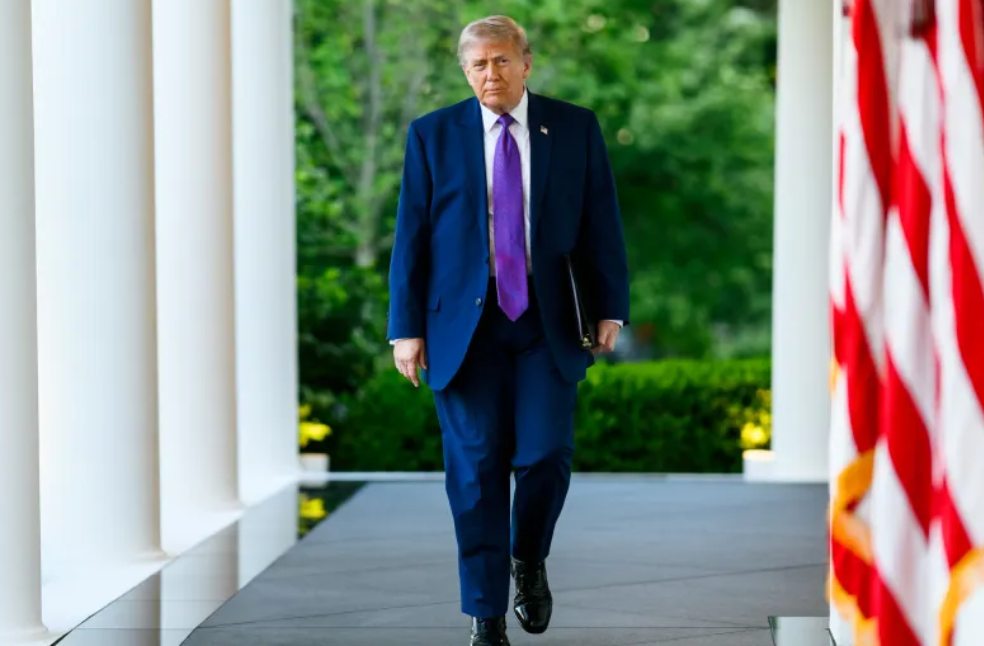
Washington: United States President Donald Trump, his family members, and affiliated businesses have reportedly been granted sweeping protection from ongoing and future tax-related investigations under a controversial directive issued by the US Department of Justice (DOJ).
The directive, signed by acting Attorney General Todd Blanche, states that authorities will be forever barred and precluded from pursuing or prosecuting tax claims involving Trump, his relatives, or his companies.
The one-page document was quietly uploaded to the Justice Department’s website, without an official announcement or press release. The waiver reportedly covers any investigations that are currently pending or could potentially arise in the future, including issues connected to tax returns filed before Trump’s settlement agreement earlier this week.
Settlement linked to IRS leak lawsuit
The immunity directive follows Trump’s decision to settle a massive $10 billion lawsuit against the Internal Revenue Service (IRS). The lawsuit accused the agency of allowing the leak of Trump’s confidential tax information to media organisations between 2018 and 2020.
As part of the agreement, the administration also announced the creation of an ‘Anti-Weaponization Fund,’ designed to compensate individuals who claim they were victims of politically motivated investigations or legal actions.
Critics, however, have described the initiative as a potential political slush fund that could benefit Trump allies and supporters. According to reports, the fund will distribute approximately $1.776 billion through a five-member commission, with four members directly appointed by Blanche, who previously served as Trump’s personal attorney.
Democrats condemn move
Democratic lawmakers reacted sharply to the announcement. Senator Adam Schiff accused the administration of corruption and abuse of power. Legal experts also questioned the constitutionality of the decision.
Richard Painter, the chief White House ethics lawyer under former President George W Bush, argued that exempting a sitting president and family members from tax obligations could violate the domestic emoluments clause of the US Constitution.
Painter stated that if Trump or his family owed money to the IRS, receiving immunity from collection efforts would amount to an unconstitutional financial benefit from the federal government beyond the president’s official salary.
Heated Senate Hearing
During a tense Senate hearing, Blanche defended the agreement and denied allegations that Trump had personally directed the creation of the Anti-Weaponisation Fund.
Blanche insisted that the programme would not be politically biased, stating that anyone claiming to have been unfairly targeted by the government could apply for assistance, including Hunter Biden. Neither the Department of Justice nor the Trump Organisation issued immediate comments regarding the backlash surrounding the directive.
Growing legal and political debate
The decision has intensified national debate over presidential accountability, executive power, and the independence of federal institutions. Critics argue the move sets a dangerous precedent by shielding a sitting president and private businesses from potential financial scrutiny, while supporters claim the administration is correcting years of politically motivated investigations.
The controversy is expected to fuel further clashes in Congress and could face future legal challenges in federal courts.
POPULAR | Teenage attackers kill 3 at San Diego mosque in suspected hate crime
