


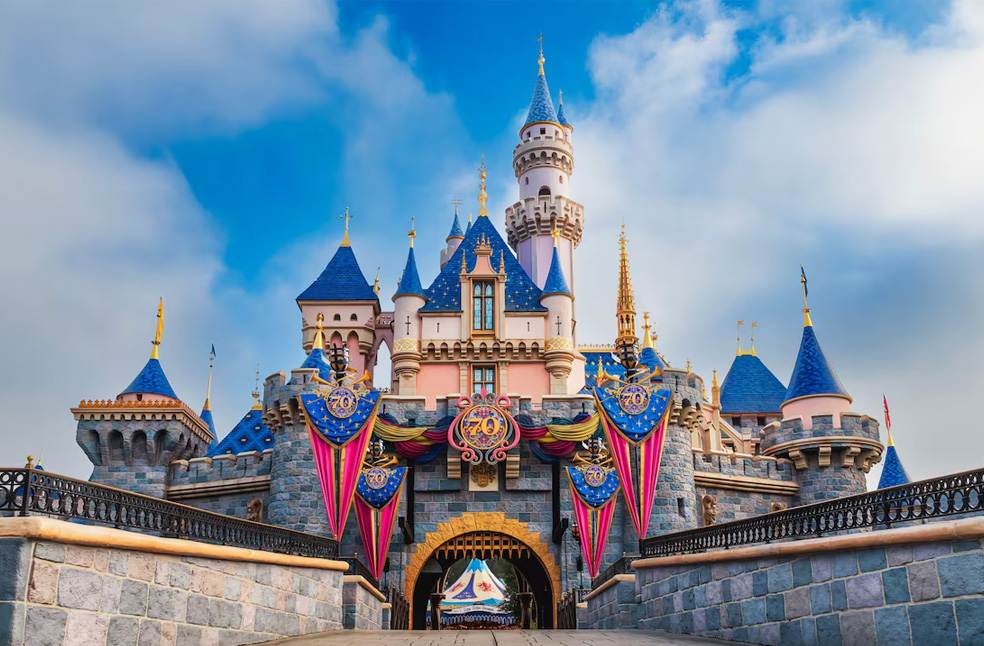
Anaheim, California: The Walt Disney Company has introduced facial recognition technology in some entrance lanes at Disneyland, a move aimed at preventing fraud and making park re-entry more efficient.
At designated lanes, cameras capture images of visitors, which are then processed through biometric systems and converted into unique numerical identifiers, according to the company’s website.
This system can help determine whether a guest has already entered the park and may also be used to prevent practices such as sharing annual passes. Guests are not required to use the technology and can opt out by choosing lanes that do not have facial recognition enabled.
The rollout comes during a broader national debate in the United States over privacy and surveillance concerns tied to facial recognition technology. Meta is reportedly planning to introduce similar capabilities in its smart glasses, which have already raised concerns among critics who object to being recorded without consent.
The administration of Donald Trump is also considering allocating funds for such devices to support Immigration and Customs Enforcement (ICE) agents.
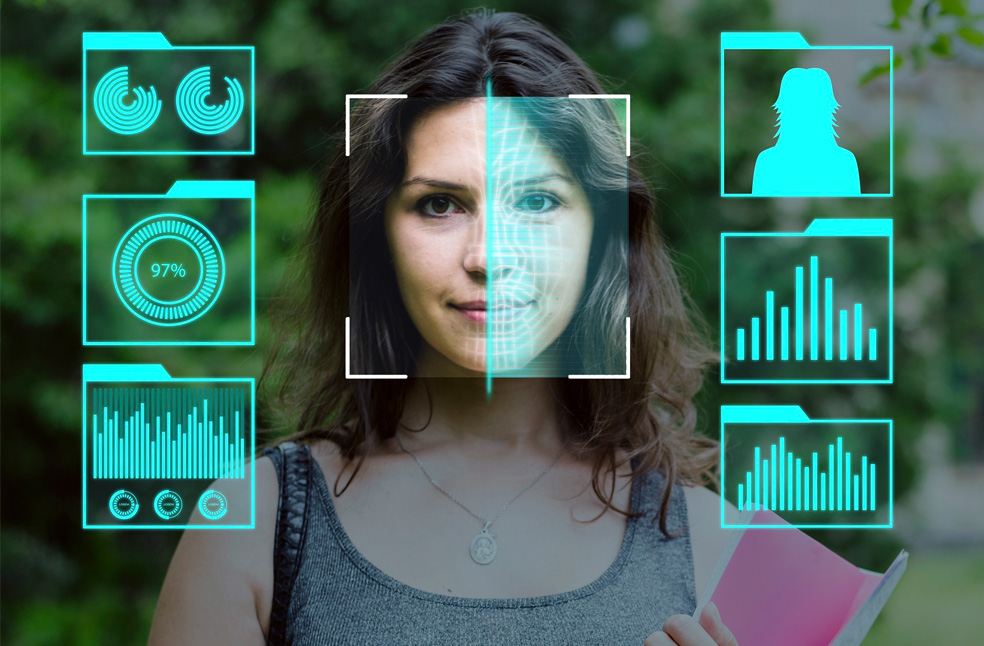
Law enforcement agencies that rely on facial recognition technology have faced ongoing scrutiny and lawsuits over alleged wrongful arrests, with concerns that such systems may disproportionately affect people of colour.
Similar systems have been adopted in entertainment and sports venues. At stadiums hosting Major League Baseball games, ticket holders can opt for a ‘go-ahead entry’ system, where they upload a selfie to an app and then use facial scanning for access at the venue.
Privacy advocates have warned about the implications of widespread adoption. Jay Stanley, a privacy expert at the American Civil Liberties Union, cautioned that such initiatives could set a precedent for routine facial scanning in everyday life, urging people to consider whether they want to live in a world where their faces are constantly scanned.
Disney stated that it has implemented “technical, administrative, and physical measures” to safeguard visitor data. However, the company acknowledged that no system is entirely secure, noting that “despite our best efforts, no security measures are perfect or impenetrable.”
The company is not new to the technology, having previously tested facial recognition in 2021 at Magic Kingdom and again at Disneyland in 2024.
ALSO READ | SailLink expands wind-powered English Channel crossings
