


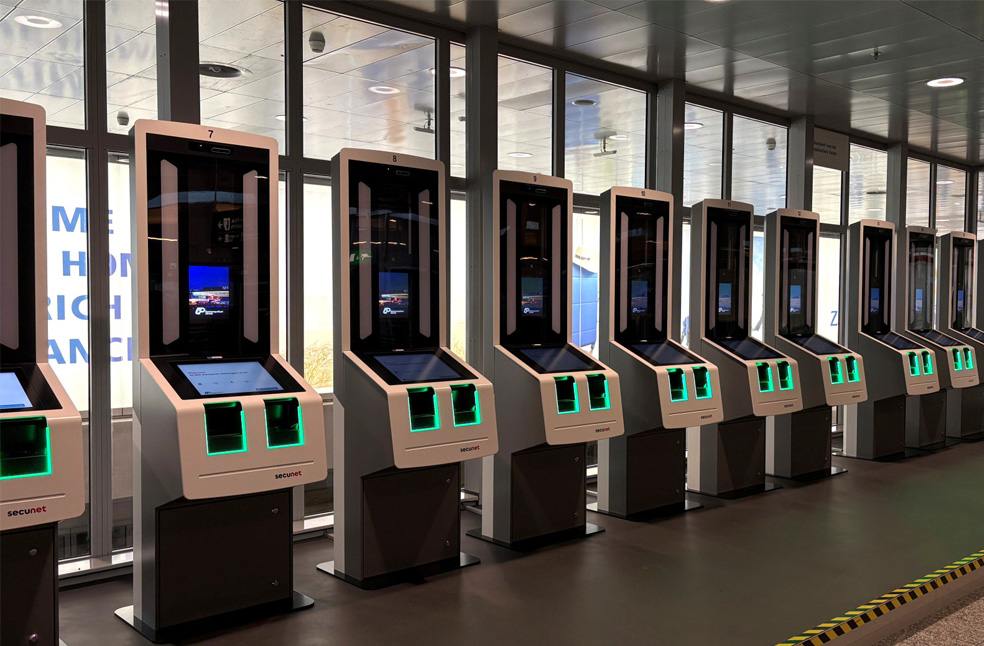
Brussels: The rollout of the European Union’s new Entry-Exit System (EES) has led to significant delays at border checkpoints across multiple airports, with some travellers experiencing wait times of up to three hours.
Introduced gradually since October 2025, the system officially came into force across the Schengen Area, covering most EU member states along with Iceland, Norway, Liechtenstein, and Switzerland, on May 1. The system is designed to digitally record the entry and exit of non-EU travellers using biometric data such as fingerprints.
Despite its intended efficiency, the implementation of the EU Entry-Exit System has faced widespread operational challenges. Travellers have encountered long queues at passport control, often due to limited functioning kiosks, technical malfunctions, and insufficient staffing. In several cases, self-service machines were either unavailable or not operational, forcing manual processing and slowing down the flow of passengers.
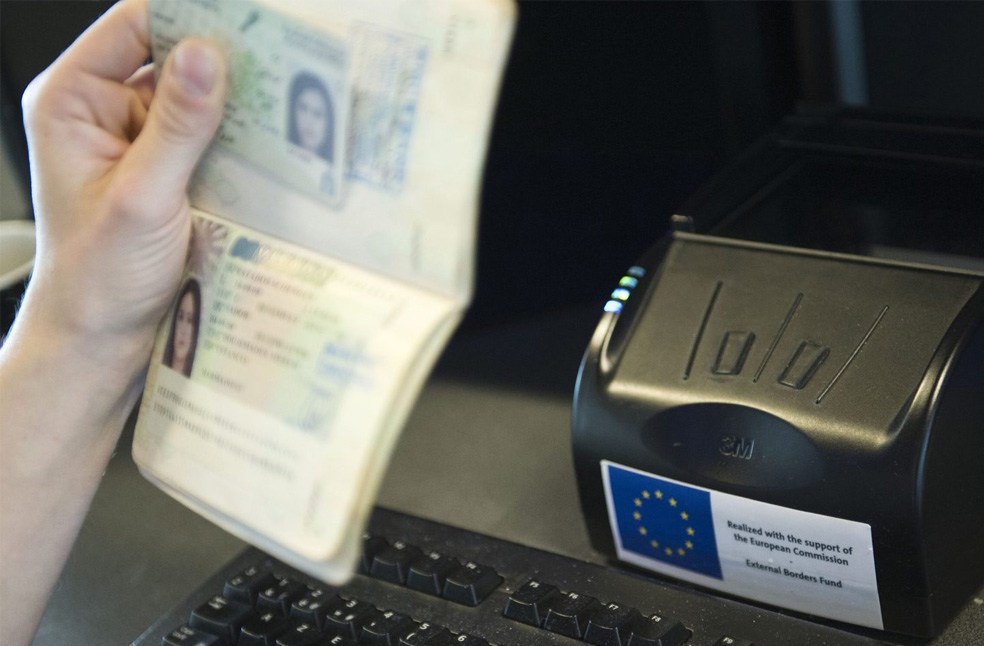
Additional complications have arisen with biometric verification, including issues with fingerprint recognition and repeated registration requirements during multi-leg journeys. Families travelling with children have also faced longer processing times, while the lack of clear guidance and signage has added to confusion at checkpoints.
Airports have struggled to manage the increased congestion linked to the EU Entry-Exit System, particularly during peak travel times when multiple flights arrive simultaneously. Inadequate facilities, such as limited seating, a lack of assistance for vulnerable travellers, and restricted access to basic amenities, have further worsened the experience.
Authorities and airport operators are aware of the disruptions but have yet to fully resolve the challenges. The inconsistency in processing times and procedures across different airports has created uncertainty for travellers navigating the new system.
ALSO READ | FIFA approves Afghan women’s return to global football
