


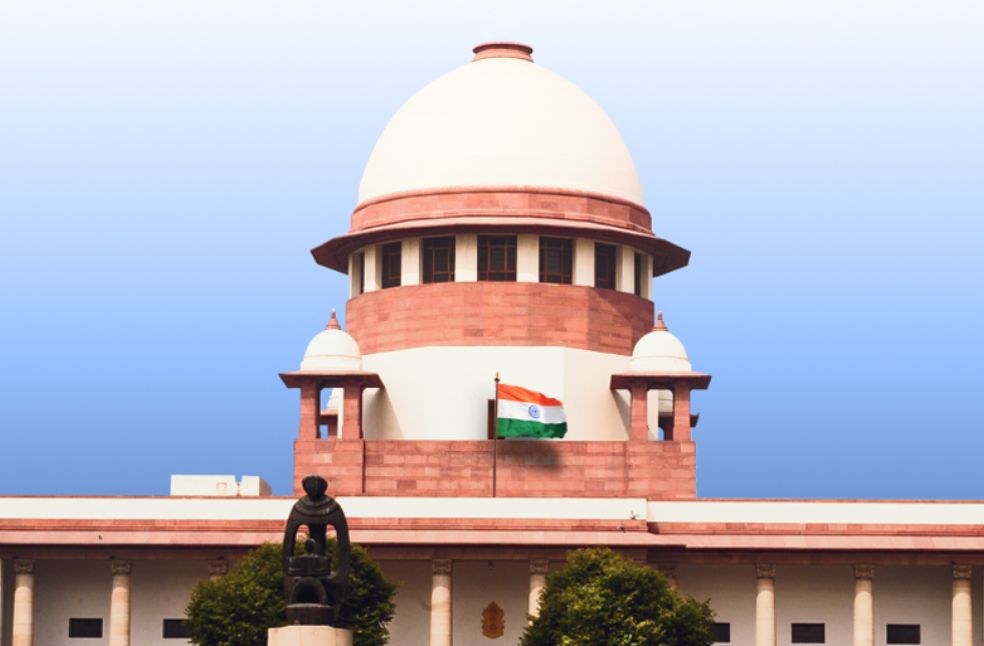
New Delhi: India has witnessed its first court-approved case of passive euthanasia, following the death of 31-year-old Harish Rana after the withdrawal of life-sustaining treatment.
Rana passed away at All India Institute of Medical Sciences, where he had been shifted for palliative care after life support was removed in line with judicial directives.
The case gained national attention after Supreme Court of India accepted a plea filed by Rana’s parents, allowing doctors to withdraw medical support. Rana had remained in a comatose and vegetative state since 2013, when he suffered severe head injuries following a fall from a fourth-floor balcony during his time as an engineering student.
Legal and ethical milestone
Passive euthanasia, defined as the withdrawal or withholding of life-sustaining treatment, was legalised in India in 2018 by the Supreme Court, which also recognised the validity of ‘living wills.’ These documents allow individuals above 18 to outline their medical preferences in case they become incapable of making decisions.
However, Rana had not created a living will before his accident, leaving his family to seek judicial intervention. His parents cited emotional and financial distress, along with concerns over his long-term care, in their appeals.
Prolonged legal battle
The family first approached the Delhi High Court in 2024, but their plea was rejected as Rana was not dependent on life-support machines at the time. A subsequent appeal to the Supreme Court was also declined.
In 2025, the parents renewed their plea, stating that Rana’s condition had significantly deteriorated and that he was being kept alive through artificial support systems. The Supreme Court agreed to review the case after evaluations by two independent medical boards.
Both boards concluded that Rana had permanent brain damage, negligible chances of recovery, and was entirely dependent on external assistance for basic bodily functions. They also reported severe bed sores and long-term complications. On March 11, the Supreme Court directed medical experts to exercise clinical judgment, paving the way for the withdrawal of life support.
A precedent for future cases
Following his death, legal experts say the case could set an important precedent for similar situations across the country, particularly where patients lack living wills.
The case has reignited discussions around dignity in death, the importance of advance medical directives, and the ethical complexities surrounding end-of-life decisions in the country.
MOST READ | US bans new foreign-made internet routers citing national security risks
